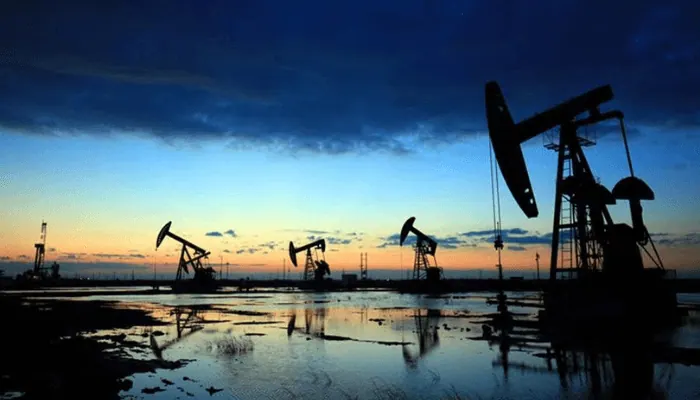
The 2026 Nigeria Hydrocarbon Measurement Conference (NiHMEC) will take place from October 4 to 8 at the Federal Palace Hotel, Lagos, with a focus on reversing Nigeria's persistent hydrocarbon metering and calibration deficiencies. These deficiencies have resulted in significant losses of state revenues, estimated to be around $1 billion annually. The conference aims to bring together industry stakeholders to review progress, identify emerging challenges, and develop solutions for improving hydrocarbon measurement practices.
According to data from the Nigerian Upstream Petroleum Regulatory Commission (NUPRC), approximately 40 per cent of apparent crude oil losses stem directly from measurement inaccuracies and faulty metering infrastructure, rather than physical theft. The commission's estimate indicates that resolving these technical discrepancies could salvage up to $1 billion annually for the nation's coffers. This significant revenue loss has raised concerns among industry stakeholders, who are now seeking solutions to address the issue.
Sunday Kanshio, managing partner of Fleissen Events and coordinator of the NiHMEC Technical Advisory Committee, emphasized that precise measurement is central to revenue protection and operational efficiency across the energy value chain. He noted that accurate measurement of oil and gas is critical to maximizing production, ensuring proper accounting, and protecting government revenue. Kanshio added that without measurement, the industry is essentially operating blind, highlighting the need for reliable measurement systems.
Fiscal metering at export terminals remains the most critical node in the system, as it forms the baseline for calculating state royalties and taxes. Proper calibration is equally vital upstream, where flow stations process commingled production from multiple fields, requiring accurate field-level allocation to satisfy tax compliance standards. The reliability of these measurement systems hinges on two primary variables: the sophistication of the technology deployed and the technical competence of the personnel operating it.
The annual NiHMEC provides a platform for industry stakeholders to review progress, identify emerging challenges, and develop solutions for improving hydrocarbon measurement practices. NiHMEC 2026 aims to gather key industry operators, regulators, and technology providers to assess technical progress, address structural bottlenecks, and establish standardized measurement frameworks across the sector. This will help to ensure that the industry operates with accurate and reliable measurement systems.
The conference will also focus on the importance of measurement in the oil and gas industry, with Kanshio noting that measurement is the most critical part of the industry. He emphasized that without measurements of oil and gas quantities, it is almost like the industry is working blind. The industry needs to know the quantity of oil and gas, which requires measurement, and this is a critical aspect of the conference.
The 2026 Nigeria Hydrocarbon Measurement Conference (NiHMEC) is expected to provide a platform for industry stakeholders to discuss the challenges and opportunities in the sector. The conference will also provide an opportunity for industry operators, regulators, and technology providers to come together and develop solutions to the challenges facing the industry.
Key points
- Nigeria's hydrocarbon metering deficiencies cost billions in state revenues.
- The 2026 Nigeria Hydrocarbon Measurement Conference (NiHMEC) aims to address the issue of hydrocarbon metering and calibration deficiencies.
- Resolving technical discrepancies in metering could salvage up to $1 billion annually for Nigeria's coffers.