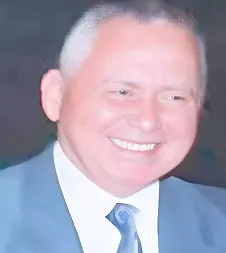
Amidst the growing noise and debate surrounding the secrets of ancient Egyptian civilization, it's essential to acknowledge the true scholars who have dedicated their lives to research and documentation. One such individual is Dr. Paul Gleyonje, a respected figure in the field of medical history. Born in 1908 in the city of Mansoura, Egypt, Dr. Gleyonje pursued his passion for medicine and went on to graduate from Cairo University's College of Medicine in 1929.
Dr. Gleyonje's impressive career as a physician and researcher spanned several decades, during which he became a prominent figure in the field of internal medicine and endocrinology at Ain Shams University. However, his global reputation was not solely built on his medical practice, but also on his profound interest in the history of medicine. He firmly believed that ancient Egyptian civilization had made significant contributions to the field of medicine, warranting meticulous scientific study.
Dr. Gleyonje possessed an encyclopedic knowledge and was proficient in six languages, allowing him to read and interpret hieroglyphic texts directly from their original sources. This unique skill enabled him to revisit and re-examine ancient medical documents and papyri, providing a genuine and accurate understanding of the evolution of medicine in ancient Egypt. His work marked a significant shift in the study of Egyptian medical history, elevating it from a realm of fascination to a field of rigorous academic research.
One of Dr. Gleyonje's most notable achievements was his ability to demonstrate that ancient Egyptian physicians were not merely sorcerers or priests, but rather practitioners who relied on observation, diagnosis, and treatment. The Egyptian medical papyri, he showed, represented some of the oldest scientific documents in human history. His findings and insights have had a lasting impact on the field of medical history, earning him international recognition and respect.
Dr. Gleyonje's extensive contributions to the field of medical history are evident in his numerous publications, including "The House of Life" and "Physicians of Ancient Egypt," which have become essential references for scholars worldwide. He was also a member of several international associations specializing in medical history and was chosen to preside over the 29th International Congress on the History of Medicine in Cairo, a testament to his stature as a leading expert in the field.
The congress, which took place in 1984 at the Marriott Hotel in Cairo, marked a significant milestone in promoting Egypt's medical heritage to the global scientific community. Dr. Gleyonje's legacy continues to inspire new generations of scholars, and his work serves as a reminder of the importance of rigorous research and academic inquiry. As the world continues to grapple with the complexities of ancient Egyptian civilization, Dr. Gleyonje's contributions remain a vital part of the ongoing conversation.
Today, as we reflect on Dr. Gleyonje's remarkable life and achievements, we are reminded of the importance of honoring true scholars and preserving their work for future generations. By recognizing and celebrating the contributions of individuals like Dr. Gleyonje, we can ensure that their legacies endure and continue to inspire and educate us for years to come.
Key points
- Dr. Paul Gleyonje was a renowned Egyptian scholar who made significant contributions to the field of medical history.
- He was a prominent figure in the study of ancient Egyptian medicine and was recognized globally for his expertise.
- Dr. Gleyonje's work continues to inspire new generations of scholars and serves as a reminder of the importance of rigorous research and academic inquiry.