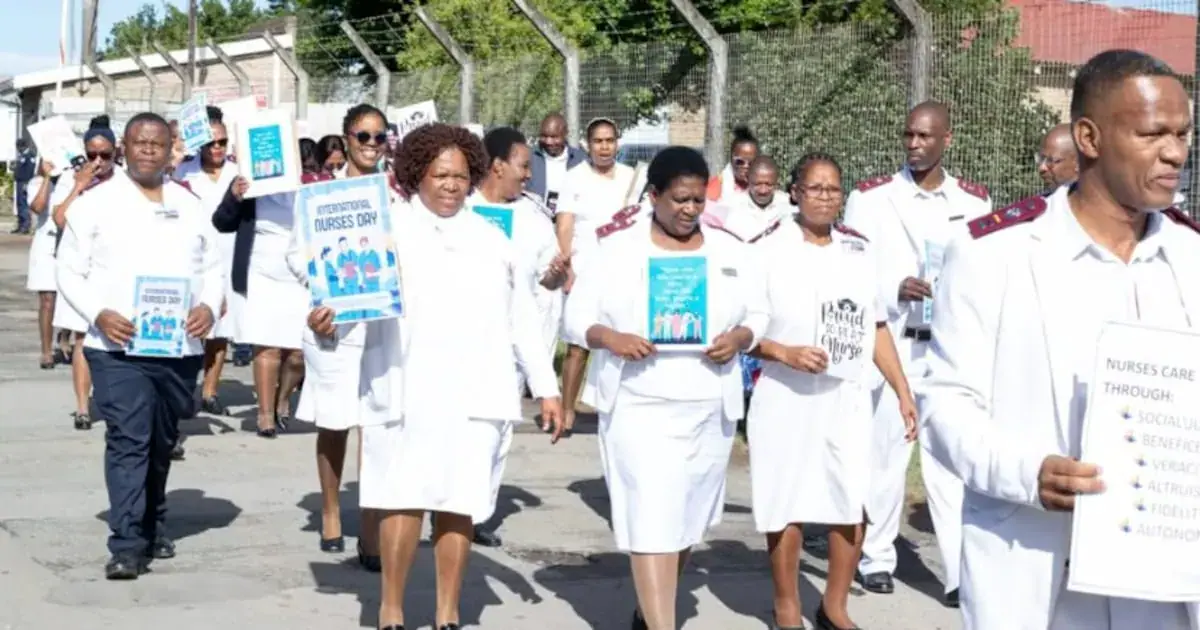
Thousands of South African nursing professionals have moved to Gulf states such as Saudi Arabia, the United Arab Emirates, and Qatar in recent years, attracted by tax-free salaries, housing allowances, and structured short-term contracts. However, many of these nurses are now returning to South Africa as their fixed-term contracts have ended and employers in the region prefer to bring in new staff rather than renew existing visas at higher salary tiers. Geopolitical conflict in the Middle East has also prompted many healthcare workers to seek safety and stability back home.
Returning to South Africa is not without its challenges. One of the first hurdles is regulatory compliance, as nurses need to ensure their South African Nursing Council registration is up to date and understand any continuing professional development requirements that may apply. Depending on their circumstances, they may need to update documentation or complete outstanding administrative steps before resuming practice. These processes can take time, particularly when paperwork is incomplete or requirements have changed during their absence.
Finding a suitable position presents another challenge for returning nurses. The permanent role a nurse left behind would have been filled, or the hospital may have restructured its departments. Clinical requirements and local employment conditions may have also changed during their absence. Nurses returning to South Africa may need to find accommodation, arrange transport, and settle their families while looking for work. Those who return at short notice have even less time to get these arrangements in place.
Planning for the financial adjustment is crucial for returning nurses. Overseas contracts may have included tax-free earnings, accommodation, transport, and annual flights home, but in South Africa, nurses may need to cover these expenses themselves while adapting to local remuneration structures. A realistic financial plan is therefore essential, and nurses should assess their savings, research local salary expectations, and calculate how long they can manage between arriving home and receiving their first pay cheque.
International experience can bring valuable exposure to different patient populations, multidisciplinary teams, specialist environments, and clinical practices. Returning nurses should not view their time abroad as a gap in their careers, but rather as an opportunity to bring new skills and knowledge to a new team. Experience in leadership, critical care, or other specialist areas may be particularly relevant to suitable vacancies.
Specialist healthcare staffing partners can help returning nurses understand market demand, explore suitable vacancies, and understand the employment options available. Temporary agency placements can provide a useful starting point, allowing nurses to work regular shifts while assessing longer-term opportunities. This offers a way to rebuild professional networks and maintain an income without immediately committing to a permanent position.
With the right planning and access to suitable opportunities, returning nurses can find their footing more quickly, continue developing their careers, and put their international experience to work where it can make a difference. According to Lehlohonolo Setshabi, COO of Private Hospitals at Allmed Healthcare Professionals, the key is to prepare early, address compliance requirements, and seek informed support before the transition becomes urgent.
Key points
- Thousands of South African nurses are returning home from Gulf states after their contracts ended or due to geopolitical uncertainty.
- Returning nurses face challenges such as regulatory compliance, finding a suitable position, and adapting to local remuneration structures.
- International experience can bring valuable skills and knowledge to a new team, and specialist healthcare staffing partners can help returning nurses find suitable opportunities.