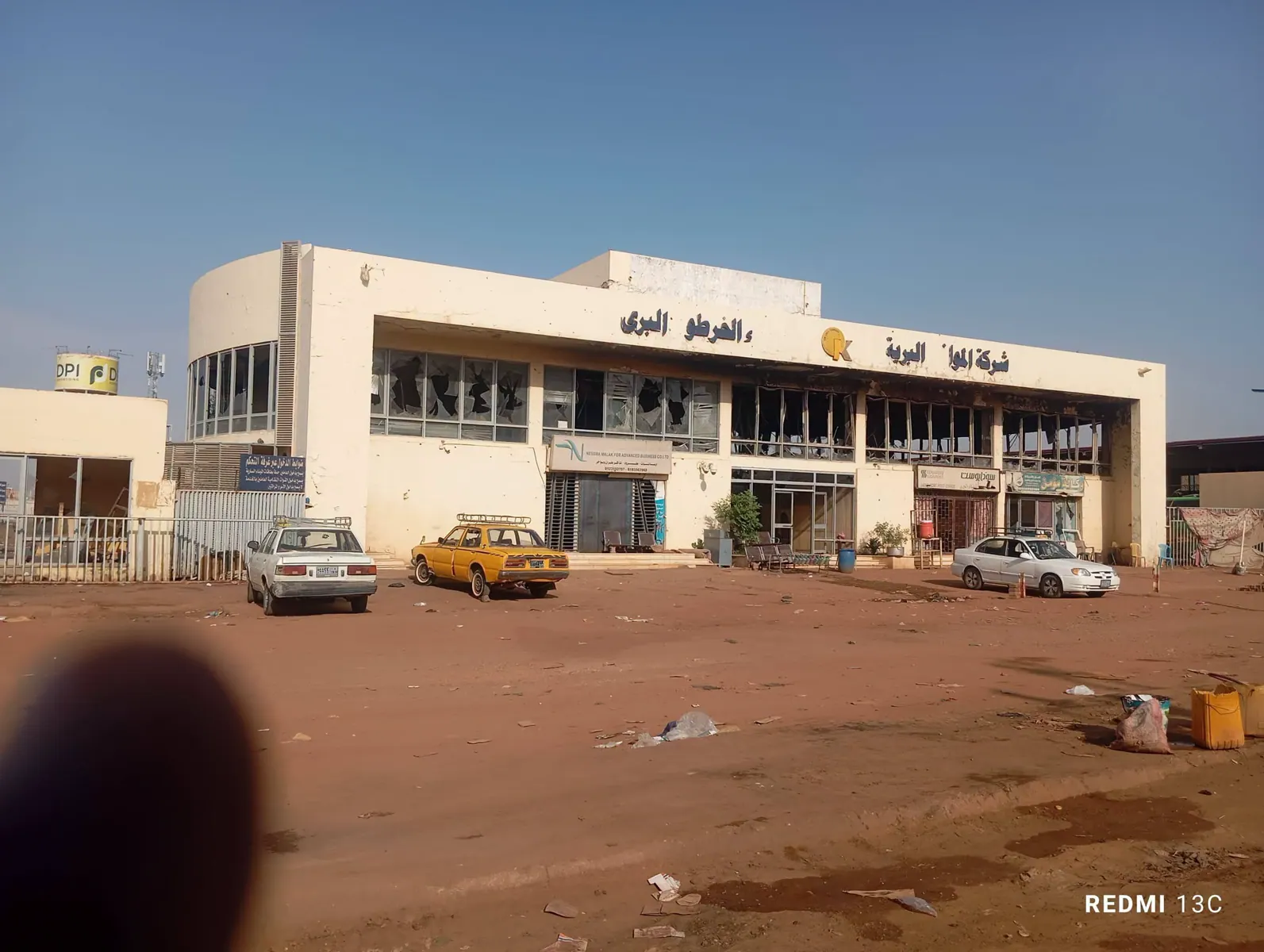
The situation in Khartoum, Sudan, remains dire for many residents, with over 2.7 million people having returned to the city from internal and external displacement as of September. Despite their return, citizens face significant economic hardship, with high rental costs making life extremely difficult. Many are forced to return to the city due to work obligations, but struggle to cope with the rising costs of living.
According to the International Organization for Migration (IOM), the return of over 5.1 million people to various states in Sudan has not necessarily meant recovery for many. The country's infrastructure has been severely damaged, local economies are fragile, and job opportunities are scarce, putting immense pressure on returnees and host communities. The IOM's report highlights the challenges faced by returnees in accessing basic services and finding employment.
Residents of Khartoum, such as "Tiseer", describe the situation in their neighborhoods as dire. The area of "Khartoum 3" and surrounding neighborhoods experience frequent power outages lasting up to 16 hours. When electricity is available, it is often at a low voltage, making it difficult to operate essential appliances like refrigerators and air conditioners. Some areas, like "Jabra", have not seen a return of electricity and are working to repair the damaged network.
Fuel shortages are also a significant challenge, with long queues forming for petrol and prices rising to 36,000 Sudanese pounds per gallon. The cost of living has increased dramatically, with basic goods like tomatoes costing 32,000 pounds per kilogram and a kilogram of lamb meat costing 80,000 pounds. The prices of essential goods have skyrocketed, while salaries have not increased, leaving many struggling to make ends meet.
The housing situation in Khartoum is also precarious, with rental costs soaring. In Tiseer's neighborhood, rent can reach 1 billion Sudanese pounds, with landlords demanding payments in dollars. The education sector is also under strain, with government schools fully booked and private schools charging exorbitant fees, ranging from 1 to 2 billion pounds per year. This has resulted in many children being unable to access education.
The IOM has expressed concern about the impact on vulnerable populations, particularly children under 18, who make up half of the displaced and 50% of returnees. Many face disruptions in education, healthcare, and protection. The organization stresses the importance of providing basic services and opportunities to support Sudan's long-term recovery and stability.
The IOM has called on governments, donors, and development partners to take immediate action to support returnees and host communities. The organization emphasizes the need for sustained humanitarian assistance and long-term investment in basic services, infrastructure rehabilitation, and livelihood support to enable people to safely return to their homes and for host communities to cope with the influx of returnees and displaced persons.
Key points
- Over 2.7 million people have returned to Khartoum, Sudan, but face severe economic hardship and infrastructure challenges.
- The return of over 5.1 million people to various states in Sudan has not necessarily meant recovery for many due to damaged infrastructure and fragile local economies.
- The IOM has called for immediate action to support returnees and host communities, emphasizing the need for sustained humanitarian assistance and long-term investment in basic services and infrastructure rehabilitation.