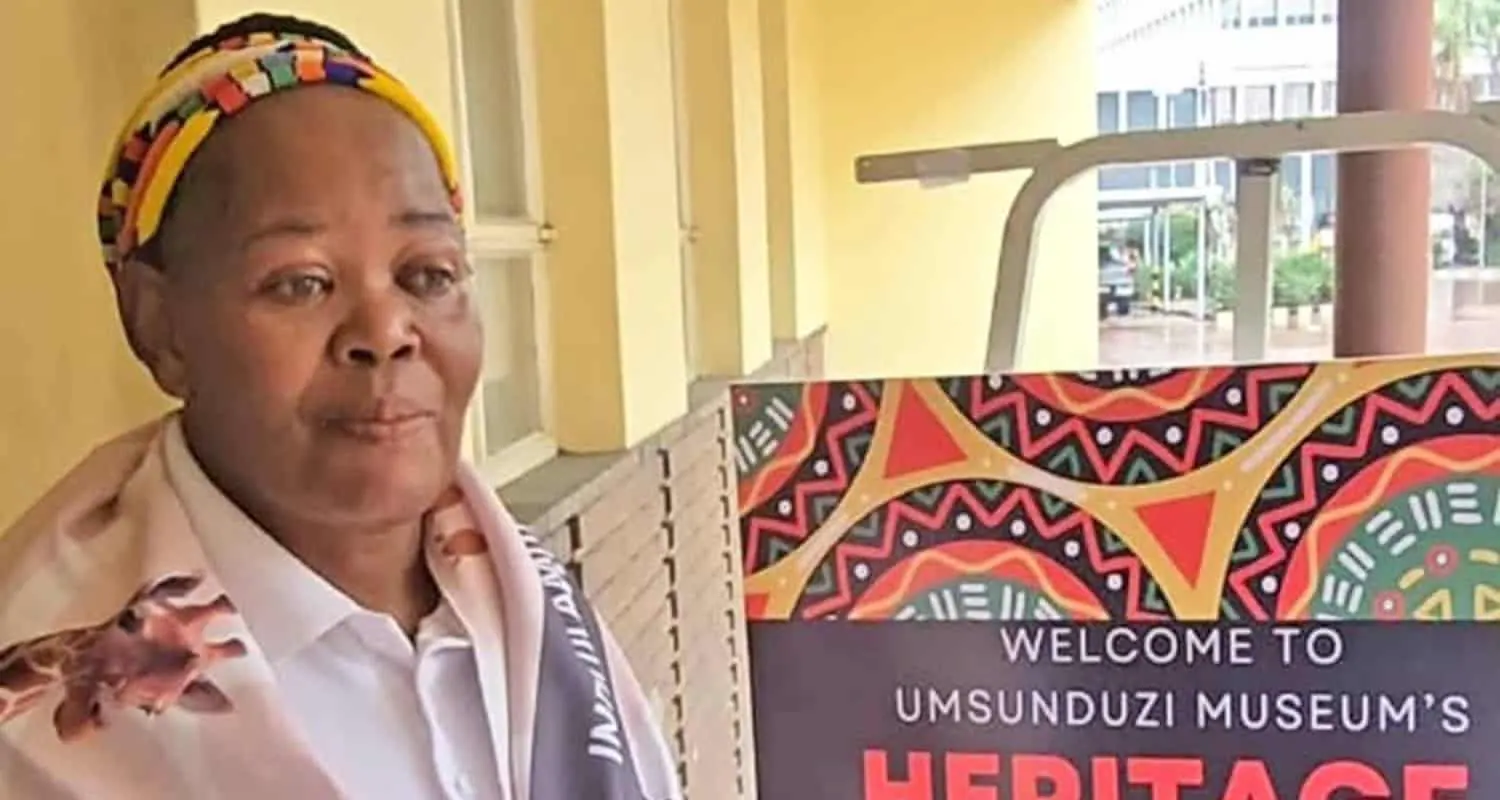
South Africa is grappling with a severe crisis of gender-based violence and femicide (GBVF), and cultural expert Professor Nomagugu Ngobese believes that the solution lies in returning to the country's cultural roots. As the founder of the Nomkhubulwane Institute and a youth development advocate, Ngobese argues that conventional interventions have failed to stem the tide of violence against women and children. She suggests that African customs, values, and spiritual practices can play a crucial role in addressing this social ill.
Ngobese emphasizes the importance of culture, identity, and traditional values in confronting some of South Africa's most pressing social problems. She points out that the continued killing and abuse of women and children demonstrate the need to look beyond conventional solutions and reconnect with African heritage. According to Ngobese, African communities must acknowledge their cultural heritage and the role of ancestors and traditional spiritual practices in their lives. This, she believes, can help address the spiritual dimension of the crisis.
The violence against women and children cannot be viewed solely as a physical problem, Ngobese argues, but also has a spiritual dimension that needs to be addressed. She draws a comparison with traditional practices during periods of drought, when women would go to the mountains to pray for rain. Ngobese suggests that similar cultural gatherings could be considered in response to the GBVF crisis. By coming together and seeking guidance from their ancestors, communities can work towards stopping the bloodshed.
Ngobese's call to return to traditional practices does not mean rejecting modernity or technological advancement. As South Africa moves deeper into the Fourth Industrial Revolution, she emphasizes the importance of ensuring that technological progress does not come at the expense of cultural identity. Ngobese believes that African communities should teach young people about the importance of culture and ensure that they grow up with a sense of belonging and pride in their heritage.
Schools have a critical role to play in promoting cultural awareness and understanding, according to Ngobese. She calls for culture and African customs to be incorporated more meaningfully into the school curriculum, so that young people grow up knowing where they come from. This, she believes, can help foster a sense of identity and belonging among young people. By teaching children about their heritage, customs, and traditions, schools can help promote a more positive and culturally aware society.
For Ngobese, Heritage Month should be about more than just showcasing traditional clothing, dancing, food, and ceremonies. She believes that the month should prompt deeper conversations about identity, values, and the responsibilities communities have towards one another. The country should not only celebrate the outward symbols of African culture but also confront the loss of values and identity that has contributed to social problems.
Ultimately, Ngobese's message is one of hope and renewal. By returning to its cultural roots and reviving traditional rituals and values, South Africa can work towards a more culturally aware and compassionate society. As the country grapples with the GBVF crisis, Ngobese's call to action serves as a reminder of the importance of exploring innovative solutions to address this complex social problem.
Key points
- Professor Nomagugu Ngobese calls for South Africa to revive traditional rituals and values to address escalating gender-based violence and femicide.
- Ngobese emphasizes the importance of culture, identity, and traditional values in confronting some of South Africa's most pressing social problems.
- Schools have a critical role to play in promoting cultural awareness and understanding, according to Ngobese.