This year's commemoration of Malaria Day in Southern Africa highlights the need for a coordinated response to the disease. The region has made significant progress in malaria control and elimination, but sustaining these gains is increasingly challenging due to changing rainfall patterns, extreme weather, population mobility, insecticide and drug resistance, and financial pressures. Malaria is shaped by environmental conditions, human behavior, population movement, healthcare access, and the capacity of health systems to respond.
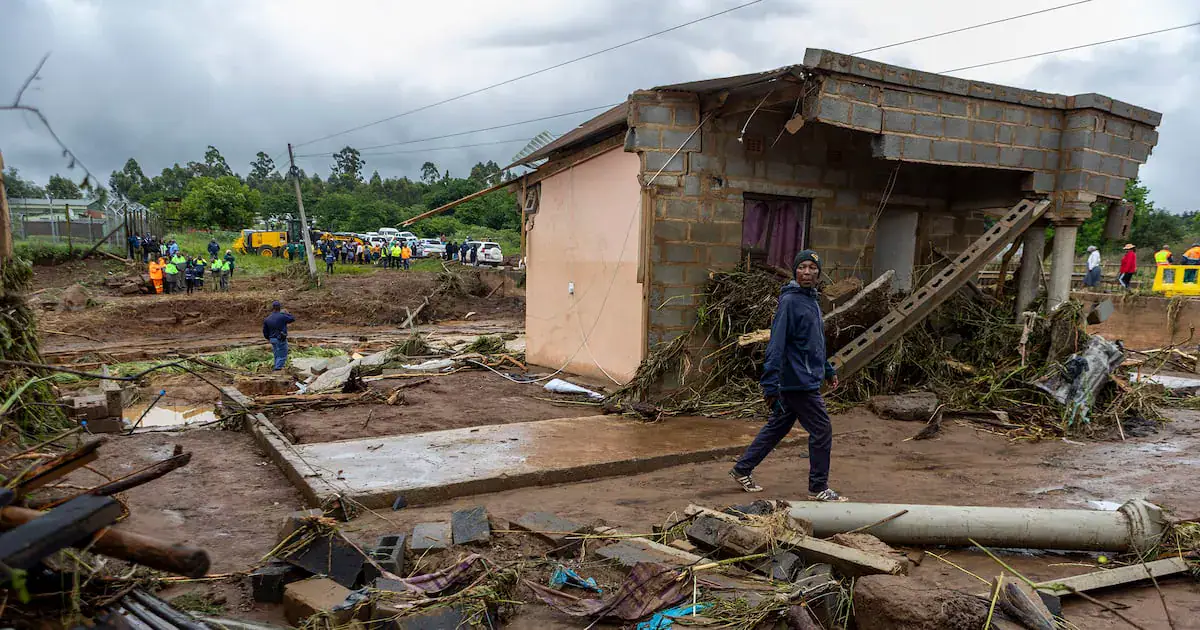
The relationship between climate and malaria is complex, with rainfall creating mosquito breeding conditions and flooding potentially destroying habitats, disrupting health services, or displacing communities. The consequences depend on local circumstances and interacting factors. In 2026, severe flooding across parts of Southern Africa led to an increase in malaria cases in Mozambique, Namibia, and South Africa. In Gauteng, where malaria is not endemic, 414 cases and 11 deaths were reported during the first three months of 2026, mostly due to travel to malaria-endemic areas.
Scientific advances in parasite biology, mosquito behavior, transmission dynamics, drug resistance, and environmental influences continue to create opportunities for malaria prevention and control. Research into parasite biology helps identify vulnerabilities that may inform future treatments, while understanding mosquito ecology supports more effective vector control approaches. Environmental intelligence through initiatives such as the Remote Sensing for Malaria Control in Africa programme can help malaria programs anticipate changing conditions, strengthen surveillance, and target interventions.
However, sophisticated information has limited value if it does not reach decision-makers or translate into interventions that can be implemented, sustained, and accessed. The challenge is no longer only about generating knowledge but ensuring that knowledge informs action. Malaria programs face competing priorities, limited resources, and changing conditions, making effective leadership and management crucial for translating evidence into action.
To combat malaria, it is essential to move beyond awareness and ensure that people understand their exposure and seek medical attention in time. Travellers need to be aware of their risk, while healthcare professionals in non-endemic malaria settings must remain alert to malaria in patients with relevant travel histories. Innovative approaches, such as using food and music as creative tools to raise awareness, have been explored in collaborations with the University of Pretoria.
The regional call for "Timely Access to Malaria Services, Everyone's Right" emphasizes that people cannot act on health information if prevention, testing, or treatment remains inaccessible. Connecting knowledge with action requires effective leadership and management, as well as a shift towards anticipating risks rather than responding only after crises occur. The Advanced Leadership Programme for the Elimination of Malaria has supported leadership and management capacity development among malaria professionals from nine Southern African countries.
As Southern Africa commemorates Malaria Day, it is essential to recognize the progress made while questioning whether approaches are adapting quickly enough to changing realities. Achieving zero malaria requires governments, researchers, healthcare professionals, malaria programs, and communities to work together, supported by accessible services and resilient health systems. Prof Tiaan De Jager and Dr Taneshka Kruger, from the Institute for Sustainable Malaria Control at the University of Pretoria, emphasize that knowing more about malaria is important, but what makes the difference is how effectively we put that knowledge to work.
Key points
- Southern Africa needs stronger regional collaboration to combat malaria.
- The region faces challenges in sustaining gains in malaria control and elimination due to changing environmental conditions and population mobility.
- Effective leadership and management are crucial for translating evidence into action against malaria.