The Ugandan government is reevaluating its waste management strategy for Kampala due to concerns raised by President Yoweri Museveni. The proposed Buyala waste disposal site in Mpigi District has been put into doubt because of its proximity to an oil storage facility. This development has sparked discussions on how to develop a sustainable system for collecting, disposing of, and managing Kampala's growing waste. The current plan's viability is being questioned.
The President's concerns highlight the need for a reliable waste management system in Kampala. The city's waste generation is increasing, and a sustainable solution is required. The government is exploring alternative approaches to address this challenge. Experts and stakeholders are being consulted to develop a comprehensive plan. Effective waste management is crucial for maintaining public health and environmental sustainability.
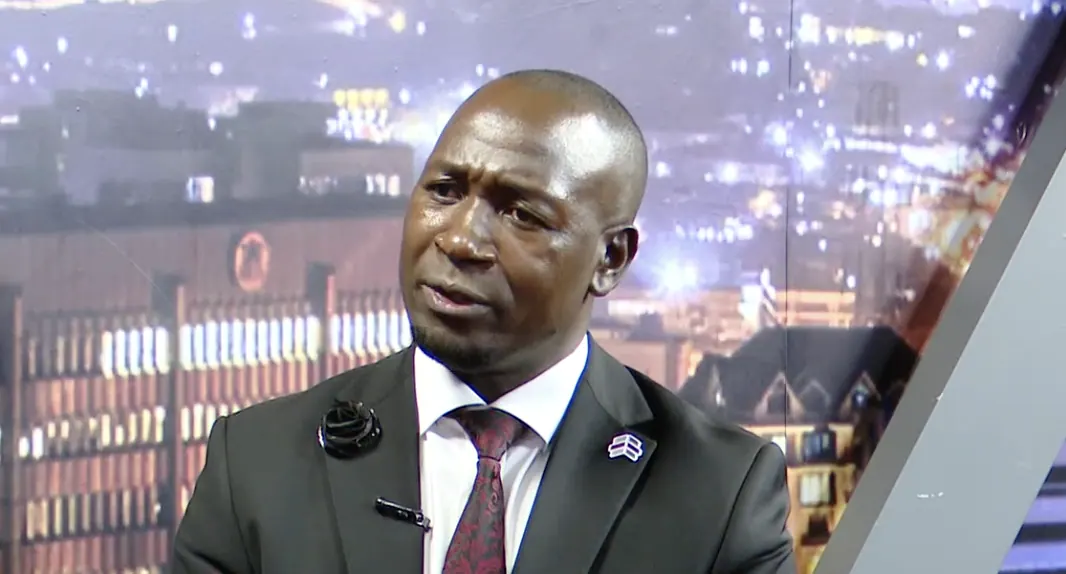
Milton Kambula, President of the Global Peace Foundation Uganda Chapter, has weighed in on the issue. He discussed sustainable approaches to waste management on NTV Uganda's Talk of the Nation program. Kambula emphasized the importance of community involvement and education in developing a successful waste management strategy. He also highlighted the need for a multi-stakeholder approach to address the complex issues surrounding waste management.
A sustainable waste management system requires a collaborative effort from various stakeholders. The Kampala City Council Authority (KCCA) and other government agencies are working together to develop a comprehensive plan. The plan will involve waste reduction, recycling, and proper disposal. The goal is to minimize the environmental and health impacts of waste generation.
The proposed Buyala waste disposal site was intended to address Kampala's waste management challenges. However, its proximity to an oil storage facility has raised safety concerns. The government is now exploring alternative locations for the disposal site. This delay has sparked concerns about the city's ability to manage its waste effectively.
Effective waste management requires a long-term strategy that involves community engagement and participation. The government is working to educate residents on proper waste disposal practices. This includes promoting recycling and composting. The goal is to reduce the amount of waste sent to landfills and minimize the environmental impacts of waste generation.
The rethinking of Kampala's waste management strategy is a critical step towards developing a sustainable solution. The government and stakeholders must work together to develop a comprehensive plan that addresses the city's waste management challenges. This will require a commitment to community engagement, education, and environmental sustainability.
Key points
- The Ugandan government is reevaluating its waste management strategy for Kampala due to concerns raised by President Yoweri Museveni.
- The proposed Buyala waste disposal site in Mpigi District has been put into doubt because of its proximity to an oil storage facility.
- A sustainable waste management system requires a collaborative effort from various stakeholders, including community involvement and education.