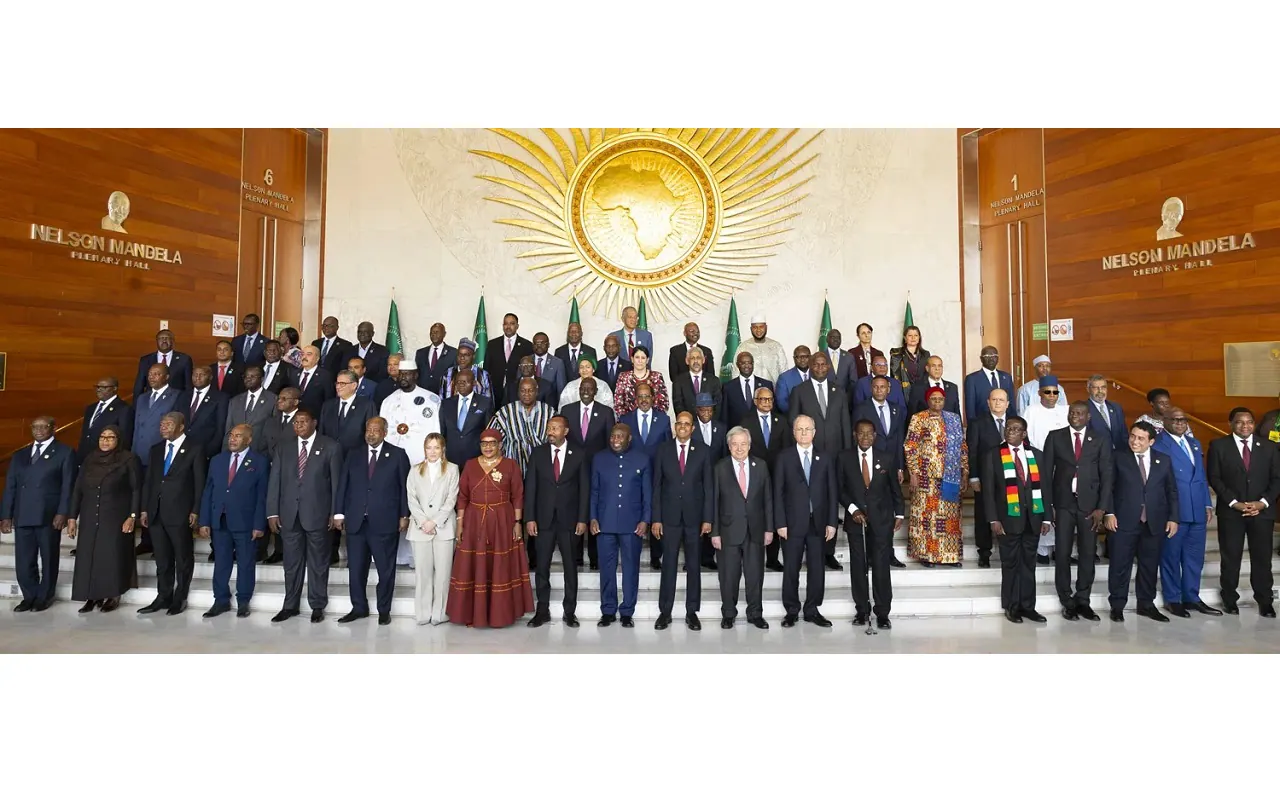
The question of what form of democracy Africa should adopt today has sparked intense debate. This inquiry is particularly relevant given the current state of democracy on the continent. Despite being considered a democratic country, Benin, for instance, faces concerns about its democratic trajectory. The works of authors such as Eric Aguénounon and Célestine Zanou highlight the complexities of democracy in Africa. Their writings underscore the need to reassess the democratic model and its implementation.
In the 1990s, democracy was widely regarded as the ideal system for promoting participation, protecting rights, and ensuring government accountability. However, over three decades later, democracy in Africa is confronted with a deep crisis. The continent is plagued by authoritarian tendencies, electoral fraud, and ineffective governance. Many argue that democracy has become a hindrance to Africa's development, with some institutions existing only in name. The prevalence of problematic transitions of power and rigged elections has led to a perception of democratic failure.
The crisis of democracy in Africa has led to a growing sense of disillusionment. Citizens are increasingly questioning the effectiveness of democratic systems in delivering their aspirations for a better life. The search for a new political order has become a pressing concern. Some experts argue that the current democratic model is flawed and that alternative systems may be necessary. However, others contend that the solution lies not in abandoning democracy but in rethinking its implementation.
The historical context of African politics provides valuable insights into the current democratic crisis. The legacy of colonialism and the struggle for independence shaped the continent's political landscape. The post-independence era saw the rise of authoritarian regimes, often characterized by a single party or a dominant leader. These systems suppressed diversity and dissent, leading to widespread discontent. The works of philosophers such as Kä Mana and Maurice Kamto offer critical perspectives on the evolution of African politics.
The pre-colonial and colonial experiences of African societies were marked by diverse systems of governance. However, the imposition of colonial rule disrupted these systems, leading to the imposition of foreign models of governance. The post-independence era saw a scramble for independence, but the euphoria was short-lived. Many African countries descended into authoritarianism, with some justifying this as a means of maintaining stability and unity.
The notion of African democracy has been influenced by external factors, including the role of international organizations and Western powers. The promotion of democracy as a universal value has been criticized for being insensitive to local contexts. Some argue that African democracy must be rooted in the continent's cultural and historical heritage. This perspective emphasizes the need for an indigenous approach to democracy that takes into account the complexities of African societies.
As Africa continues to grapple with the challenges of democracy, there is a growing recognition of the need for a new approach. This involves rethinking the fundamental principles of democracy and its implementation in the African context. The conversation around African democracy is ongoing, with many stakeholders contributing to the debate. The search for a suitable democratic model that can address the continent's unique challenges and aspirations continues.
Key points
- The crisis of democracy in Africa has led to growing disillusionment among citizens.
- The historical context of African politics provides valuable insights into the current democratic crisis.
- Rethinking democracy in Africa requires a nuanced understanding of the continent's cultural, historical, and local contexts.