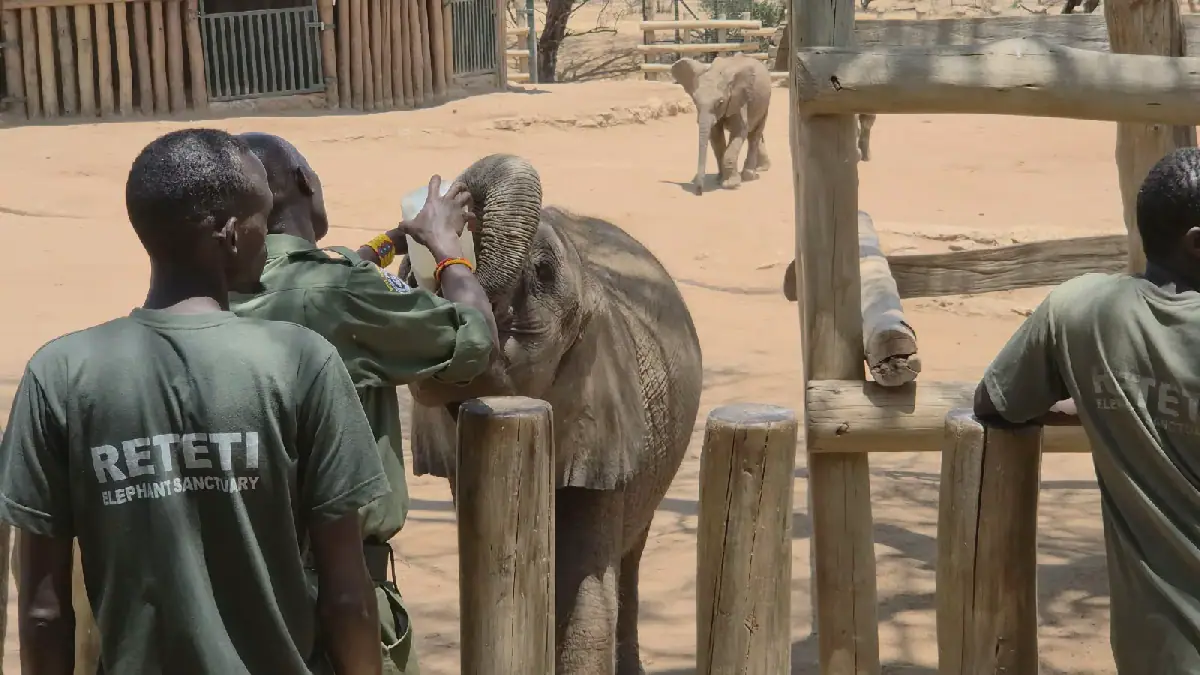
Tucked in the rugged, dusty hills of Samburu County in Northern Kenya, Reteti Elephant Sanctuary is a pioneering conservation effort that prioritizes community involvement. As Africa's first completely community-owned and community-run elephant orphanage, it is situated within the 850,000-acre Namunyak Wildlife Conservation Trust. The sanctuary serves as a tourist destination and is part of a broader initiative to promote northern Kenya's potential for wildlife and cultural tourism.
The Kenya Tourism Board (KTB) is targeting the untapped potential of the Northern Kenya circuit, positioning the region as a launchpad for a wider domestic tourism drive to lesser-known destinations. The sanctuary is among the destinations that highlight northern Kenya's potential for wildlife and cultural tourism beyond the country's established safari circuits. The push forms part of the Board's broader target of 5.6 million bed nights by 2027.
The Reteti Elephant Sanctuary is managed entirely by the local indigenous Samburu community. According to Reteti Sanctuary Operations Officer Patricia Parkeri, the Sanctuary currently cares for 52 elephants and sources approximately 680 litres of milk from the local community, supporting an initiative that empowers about 1,250 women. The Sanctuary provides employment to 1200 people who are majorly from the local community.
The sanctuary was established in the area due to its strategic position within the region, supporting efforts to rescue and rehabilitate elephants affected by various threats, including human-wildlife conflict and poaching. The elephants are released in groups comprising males and females as part of the sanctuary's approach to preparing them for life in the wild. Parkeri noted that 23 elephants have been released back into the wild after reaching the age of seven.
The sanctuary's tourism activity varies with the seasons, with October identified as one of its peak periods, offering visitors an opportunity to learn about elephant rehabilitation and community-led conservation. The main public viewing slot is the Midday Feed, with the actual bottle-feeding happening precisely at 12:00 PM. This is limited to a maximum of 15 to 20 visitors across three groups.
Most elephants at the Sanctuary end up there as a result of falling into 'singing wells', as they access water. According to Guest Relations Officer Russia Lenanyokie, about 70 percent of the elephants end up falling into wells dug by community members to access water. These wells are dug by the Samburu people, who sing as they draw water for their animals in the morning.
The Reteti Elephant Sanctuary's conservation efforts have shown promising results, with a significant number of elephants released back into the wild. The sanctuary's approach to community-led conservation and rehabilitation has become a model for other conservation efforts in the region. By empowering local communities and promoting sustainable tourism, the sanctuary is making a positive impact on the environment and the local economy.
Key points
- The Reteti Elephant Sanctuary is Africa's first completely community-owned and community-run elephant orphanage.
- The sanctuary cares for 52 elephants and sources approximately 680 litres of milk from the local community.
- The sanctuary provides employment to 1200 people who are majorly from the local community.