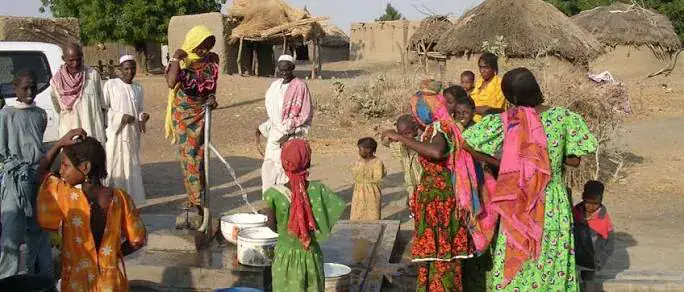
The Far North region of Cameroon has experienced a significant increase in kidnappings for ransom, with many civilians being abducted by jihadist groups, including Boko Haram. According to Aïcha Pemboura, a researcher at the Central African Observatory of Organized Crime, 269 civilians were kidnapped in the first seven months of 2026, surpassing the 249 cases recorded in 2025. This surge is attributed to the pressure exerted by military forces in Nigeria, which has led to the redeployment of Boko Haram fighters to the Mandara Mountains and Lake Chad islands.
The kidnappings often involve demands for ransom, ranging from 500,000 to several million CFA francs. Victims are frequently taken to islands in Lake Chad, where they are held alongside other captives. Atom Moussa, a 29-year-old Cameroonian, recounted his experience of being kidnapped by Boko Haram and held for ransom. His family managed to raise a portion of the demanded amount, and he was released after two weeks. The economic impact of these kidnappings is significant, with many families forced to deplete their savings to secure the release of their loved ones.
The situation in the Far North region is further complicated by the presence of displaced persons, with over 500,000 people having fled their homes due to insecurity. The region has become a stronghold for jihadist groups, including Boko Haram and the Islamic State in West Africa (ISWAP). According to Célestin Delanga, a researcher at the Institute for Security Studies, the Far North region is a strategic area for these groups, providing access to resources such as fishing, grazing, and agriculture.
The Cameroonian government has taken steps to address the security situation, including the inauguration of two new bases for the Rapid Intervention Battalion (BIR) in Hilé Alifa and Bargaram. The BIR is an elite unit of the Cameroonian army, trained to conduct counter-terrorism operations. The government's efforts aim to curb the activities of jihadist groups and restore stability to the region.
Despite these efforts, the security situation remains precarious, with frequent attacks and kidnappings reported. The Acled NGO has documented 977 deaths and over three million displaced persons in the Lake Chad basin countries, including Cameroon, Chad, Nigeria, and Niger, between January and September. The region continues to face significant security challenges, with the potential for further escalation.
The humanitarian impact of the crisis is substantial, with many families struggling to access basic necessities such as food, shelter, and healthcare. The presence of displaced persons has put a strain on local resources, and humanitarian organizations are working to provide assistance to those affected. However, the security situation remains a major challenge to relief efforts.
The resurgence of kidnappings for ransom in Far North Cameroon highlights the need for sustained efforts to address the root causes of the crisis. The Cameroonian government, with the support of international partners, must work to restore stability to the region and provide humanitarian assistance to those affected. This will require a comprehensive approach, including military operations, economic development, and humanitarian aid.
Key points
- 269 civilians were kidnapped in the first seven months of 2026, exceeding 2025's total.