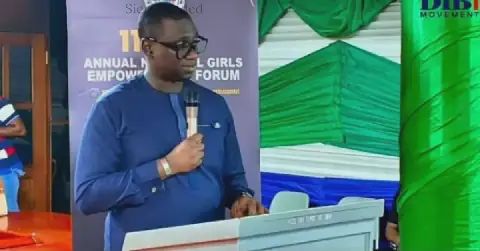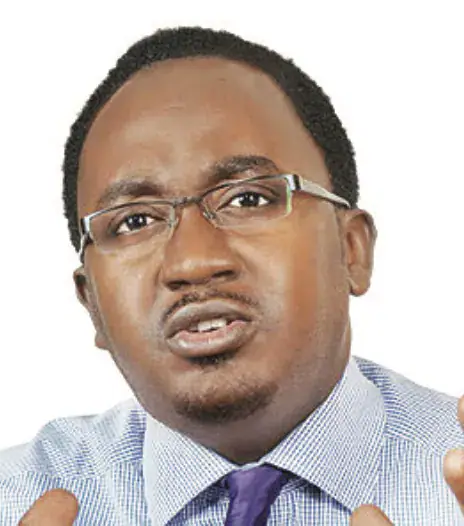
A recent open letter by Yusuf Serunkuma to Gen. Salim Saleh, published in The Observer on October 28, 2026, has sparked a response from a member of the Uganda Human Rights Commission. The writer, while acknowledging Serunkuma's concerns about justice, takes issue with his conclusions. Serunkuma's letter was in response to the detention of Dr. Kizza Besigye, who faces treason charges. The writer argues that Serunkuma mistakes an attempt at reconciliation for an admission of wrongdoing.
Serunkuma questioned the engagement of religious leaders in reconciliation efforts, calling them "emasculated" and "spineless." However, the writer notes that faith leaders have played a crucial role in mediating conflicts in Uganda, including through forums such as the Acholi Religious Leaders' Peace Initiative and the Inter-Religious Council of Uganda. These leaders offer a platform for opposing sides to engage without losing face. The writer argues that their involvement does not authorize them to negotiate on Besigye's behalf but is a necessary step in building confidence.
The writer also takes issue with Serunkuma's argument that Besigye, his family, and lawyers should be directly involved in reconciliation efforts. While acknowledging that no credible settlement can disregard the principal parties, the writer notes that dialogue seldom begins with everyone at one table. Intermediaries, including religious leaders, play a crucial role in testing positions and building confidence before substantive negotiation becomes possible.
Serunkuma's argument that reconciliation efforts are evidence that the state cannot sustain its case is also disputed by the writer. The writer notes that criminal responsibility is determined through evidence and judicial proceedings, while political reconciliation addresses relationships, grievances, and the wider consequences of conflict. The two processes are distinct, and an invitation to dialogue is neither an admission of prosecutorial failure nor proof of innocence.
The writer also addresses Serunkuma's invocation of disputed intelligence reports, allegations of fabricated evidence, and controversies involving security officers. While acknowledging that these are serious matters that deserve independent scrutiny, the writer notes that allegations against particular officers do not establish that every investigation involving the intelligence community is fraudulent. Intelligence is not proof of guilt, and allegations of intelligence misconduct are not, by themselves, proof of innocence.
The writer criticizes Serunkuma's personal attack on Gen. Saleh, calling him a co-president and attributing collective state decisions to him. The writer argues that taking part in political engagement does not make Saleh personally responsible for the decisions in dispute. Accountability must follow evidence, institutional mandates, and identifiable conduct, not political proximity. The writer also notes that a public apology followed by immediate release is not a feasible solution, as criminal proceedings cannot be settled by televised contrition.
The writer concludes by emphasizing the importance of prioritizing Dr. Besigye's welfare and the need for a negotiated release. A negotiated release would be a defeat for no one and would demonstrate that Uganda is bigger than its grudges. The writer argues that dialogue is hard enough without making humiliation its starting point and that Saleh has spent much of his life on the unglamorous work of getting adversaries to talk.
Key points
- The writer disputes Yusuf Serunkuma's conclusions on reconciliation efforts for Dr. Kizza Besigye's detention.
- Serunkuma's argument that reconciliation efforts are evidence of prosecutorial failure is disputed.
- A negotiated release of Dr. Besigye is proposed as a feasible solution.