On Monday, the world observed World News Day, a significant occasion that brought together readers, journalists, and publications to reflect on the value and challenges of the profession. This day serves as an opportunity to acknowledge the importance of journalism and address the various obstacles that journalists face globally. However, there is a risk that such commemorations may become mere quasi-holidays, failing to effect meaningful change. This concern is also relevant to other observances, such as Women's Month, which has struggled to lead to substantial societal or structural changes.
The Committee to Protect Journalists reports that 247 journalists have been killed since the Gaza war began following Hamas's October 7, 2023, attack. This number is unconscionable and highlights the dangers journalists face worldwide. In the United States, President Donald Trump's administration has undermined press rights in various ways, including personal attacks on journalists and multi-billion dollar lawsuits. These actions have had a chilling effect on the media, with some broadcasters being cowed into silence.
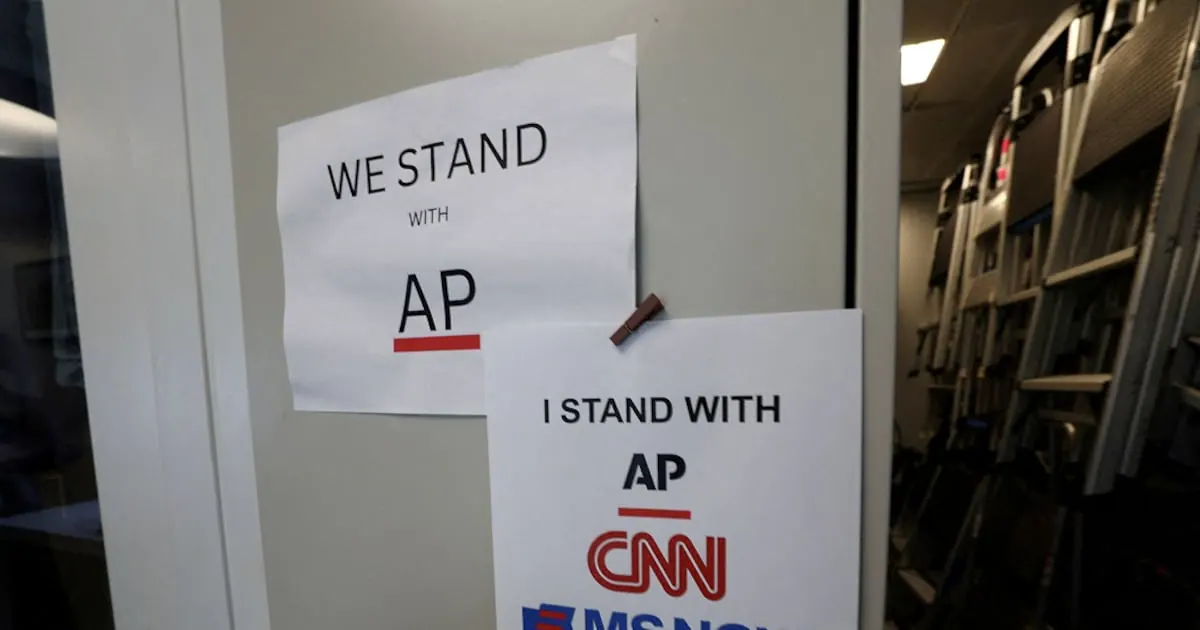
Trump's administration has taken steps to limit access to the White House and other halls of power for certain media outlets. Last week, he unilaterally banned CNN, Politico, and MS NOW from the White House, citing their publication of what he termed "fake news." Although the order was later lifted after court review, reports suggest that life has become increasingly difficult for their journalists. This move is part of a longer-term battle for access to power centers like the White House and Pentagon.
While traditional media outlets have faced challenges, social media influencers have flourished, with some being given unprecedented access to the administration. This shift has raised concerns about the role of journalism in a functioning society and the importance of a free press in ensuring democracy. The South African media landscape also faces its own set of challenges, with multiple local publications experiencing staff cuts this year.
In South Africa, President Cyril Ramaphosa has been called upon to more frequently take questions from the local media, rather than relying on national addresses that do not offer any avenue for interrogation. While Ramaphosa is considered a different kind of politician compared to Trump, it is essential for leaders to foster a climate that embraces public scrutiny. A free press is crucial for democracy, and its role in ensuring transparency and accountability cannot be overstated.
The global media is currently locked in confrontations with social media platforms, search engines, and AI, with crucial policy discussions underway to determine the contours of the information landscape. In addition to these challenges, the media has a responsibility to innovate and remain relevant in a world of fleeting attention spans. This requires a delicate balance between adapting to changing circumstances and maintaining the core values of journalism.
As the media reflects on its role in society, it is essential to recognize the significance of World News Day and the importance of respecting journalism beyond just one day. This involves acknowledging the challenges faced by journalists and working towards creating a climate that supports a free press. Ultimately, the value of journalism lies in its ability to hold those in power accountable and ensure that democracy functions effectively.
Key points
- The media faces numerous challenges globally, including the killing of 247 journalists since the Gaza war began.
- President Donald Trump's administration has undermined press rights in the United States.
- A free press is essential for democracy, and its role in ensuring transparency and accountability cannot be overstated.