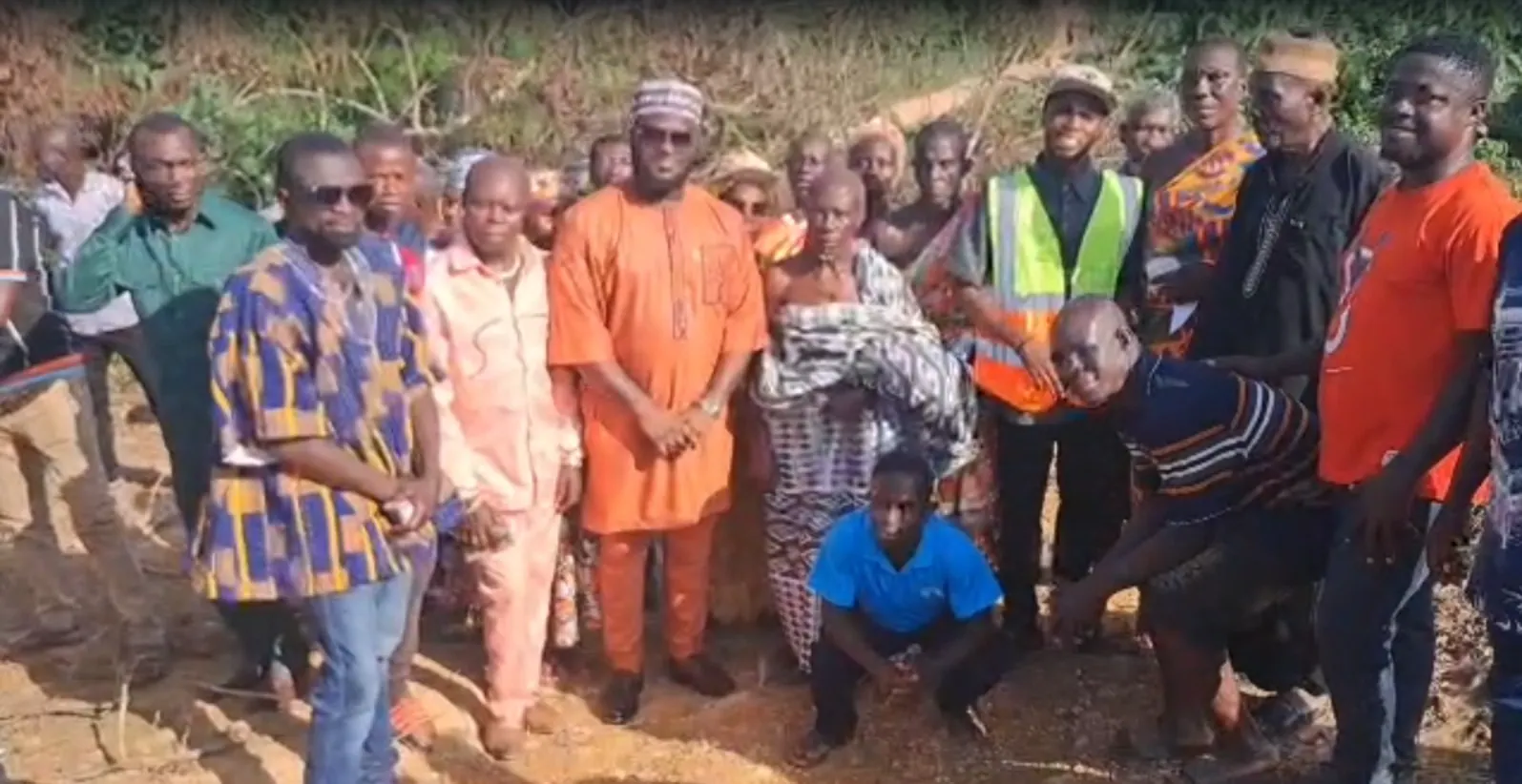
Residents of Ohwimase, Gyimakyi Anwiaso, and neighboring communities in Ghana's Ashanti Region face significant healthcare challenges due to the absence of a nearby health facility. They often rely on motorbikes and tricycles, known as Aboboyaa, to transport patients over 15 miles to health facilities in Asiwa, Bodwesango, or the district capital. This situation is particularly difficult during medical emergencies, with poor road conditions hindering vehicle access.
The healthcare challenges in Ohwimase and its neighboring communities have prompted a local resident, Nana Boateng Prosper Ayebida, to initiate the construction of a 50-bed-capacity clinic. The proposed facility aims to provide healthcare services to over ten communities currently lacking access to a nearby health facility. Nana Boateng Prosper Ayebida called for partnerships between individuals, institutions, and the government to improve healthcare delivery, especially in rural communities.
The reliance on motorbikes and tricycles for healthcare access has raised concerns among residents and local leaders. They emphasize the need for improved healthcare infrastructure to address the unique challenges faced by rural communities. The construction of the new clinic is seen as a step towards addressing these concerns and enhancing healthcare services for the affected communities.
Sylvester Agyapong, Deputy Presidential Staffer for the Ashanti Region, has commented on the development, highlighting the importance of collaborative efforts to improve healthcare delivery. The government's role in supporting initiatives like the construction of the new clinic is crucial in addressing the healthcare needs of rural communities.
The healthcare challenges in Ohwimase and its neighboring communities are not isolated, reflecting broader issues in Ghana's healthcare system. Rural communities often face significant barriers in accessing healthcare services, including limited infrastructure and resources. Efforts to address these challenges, such as the construction of the new clinic, are essential in ensuring equitable access to healthcare.
The construction of the 50-bed-capacity clinic at Ohwimase is expected to have a positive impact on the health and well-being of residents in the community and its neighbors. The clinic will provide essential healthcare services, reducing the need for patients to travel long distances to access medical care. This development is a significant step towards improving healthcare delivery in rural Ghana.
The Ohwimase community's initiative to address its healthcare challenges through the construction of a new clinic demonstrates the importance of community-led solutions in addressing local healthcare needs. The success of this initiative will depend on continued support from stakeholders, including the government, individuals, and institutions, to ensure the delivery of quality healthcare services to rural communities.
Key points
- Residents of Ohwimase, Ghana, rely on motorbikes to transport pregnant women and sick people to hospitals due to the lack of nearby healthcare facilities.
- A new 50-bed-capacity clinic is being constructed at Ohwimase to provide healthcare services to over ten communities currently lacking access to a nearby health facility.
- The construction of the new clinic is a collaborative effort, with Nana Boateng Prosper Ayebida calling for partnerships between individuals, institutions, and the government to improve healthcare delivery in rural communities.