Residents of the Yemeni province of Lahj have called upon the International Committee of the Red Cross to retrieve the bodies of Houthi militants killed in recent clashes. The appeal aims to prevent a potential health and environmental disaster in the region. The bodies of dozens of Houthi fighters remain scattered in the mountains and valleys of the Al-Sabeeha area, northwest of Lahj, near the Bab al-Mandab Strait.
The residents of Al-Sabeeha expressed concern that the bodies, if not retrieved, could be washed away by seasonal rains and floods into sources of drinking water and agricultural land, leading to contamination. They also fear that the carcasses could be scavenged by wild animals, posing a risk of disease transmission. The situation has sparked worries about the potential outbreak of epidemics and diseases in the area.
In a statement, the residents urged the International Committee of the Red Cross, the Yemeni Red Crescent, the Ministry of Public Health and Population, and local authorities to intervene promptly to remove the bodies in accordance with humanitarian and health protocols. The appeal comes as clashes between Houthi militants and government forces continue in the region.
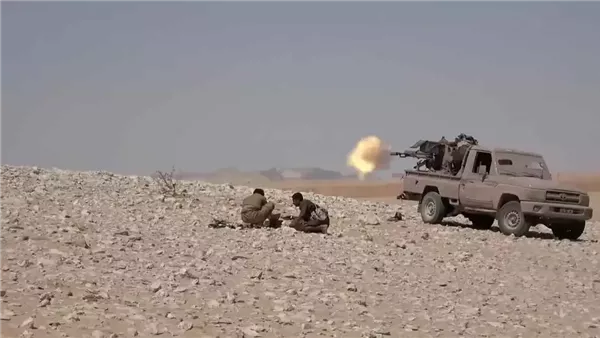
Over the past few weeks, intense fighting has been reported in various areas of Lahj, including the mountainous regions of Kuhub and Al-Mudaraba. Houthi forces have been attempting to gain control of strategic areas to secure their presence in the southern coastal region of the Red Sea. Government forces have been working to repel these advances.
On Friday, government forces announced that they had targeted a Houthi engineering team that was planting explosive devices in one of the operational areas. The incident highlights the ongoing security challenges in the region. The presence of unexploded ordnance and the risk of further clashes continue to pose a threat to local residents.
The situation in Lahj has been exacerbated by the recent escalation of violence, which has resulted in significant human suffering and infrastructure damage. Humanitarian organizations have been working to provide assistance to affected communities, but the security situation remains a major challenge. The appeal by residents to remove the bodies of Houthi casualties is a critical step towards mitigating the risks of a health and environmental disaster.
The Yemeni government and international organizations have been working to address the humanitarian crisis in the country, which has been devastated by years of conflict. The situation in Lahj is a reminder of the need for sustained efforts to provide humanitarian assistance and support to affected communities. The removal of the bodies of Houthi casualties is a critical aspect of this effort.
Key points
- Residents of Lahj appeal to international organizations to remove Houthi casualties to prevent health and environmental disasters.
- The presence of Houthi casualties in the region poses a risk of disease transmission and environmental contamination.
- The situation in Lahj highlights the ongoing security challenges and humanitarian needs in the region.