The Subri River in Ghana's Wassa East District is a lifeline for local communities, providing water for drinking, bathing, and farming. However, residents are now expressing fear over a potential link between the river and rising cases of river blindness, also known as onchocerciasis. This parasitic disease can cause severe itching, skin lesions, and vision problems, including blindness.
According to the Director of Social Welfare and Community Development, Augustina Adenyo-Leddy, visual impairment and blindness are significant contributors to the high disability rate in the area. As of February 2026, over 2,000 residents had been recorded as living with disabilities. Mrs. Adenyo-Leddy suspects a connection between the river and the reported cases of visual impairment, emphasizing the need for urgent help.
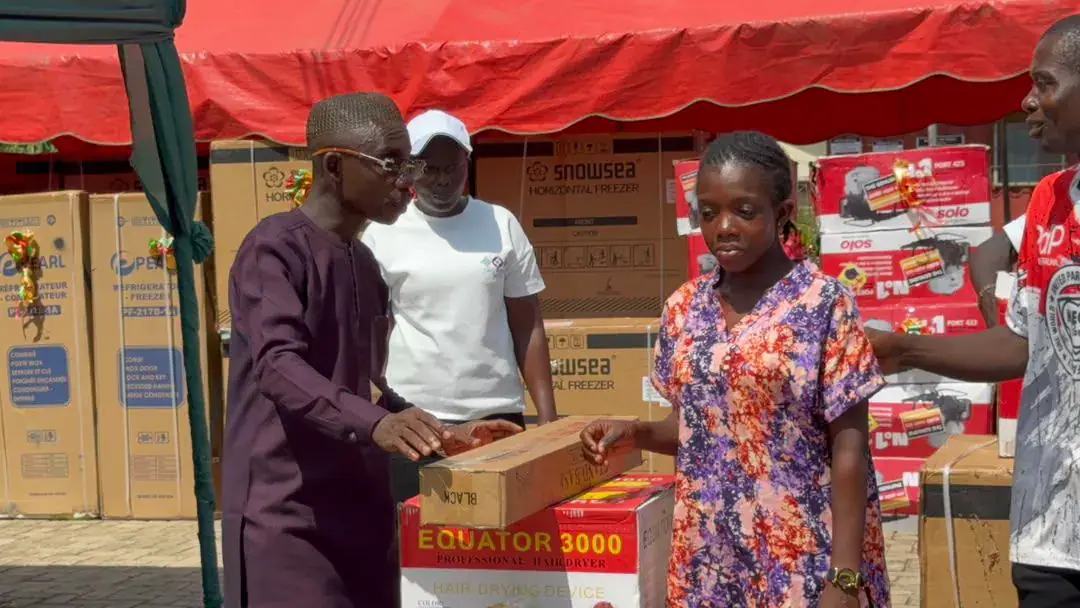
Residents claim that some individuals who previously had their sight have become visually impaired, pointing to the Subri River as a possible cause. Although the link has not been scientifically proven, the fear is real, and many are calling for action. Mrs. Adenyo-Leddy made an appeal during the distribution of support items to persons living with disabilities, highlighting the need for water treatment facilities and safe water projects to protect residents from water-related health risks.
The District Chief Executive, Alhassan Ibrahim, has expressed concern over the situation and pledged to work with the Health Directorate to find the cause of the problem and strengthen preventive healthcare. He encouraged residents to patronize the Free Primary Healthcare initiative to promote early detection and prevention of diseases. Previous screening and medication efforts in riverine communities have shown positive results, according to Mr. Ibrahim.
Mrs. Adenyo-Leddy emphasizes the importance of prevention, ensuring that residents are not left vulnerable to preventable blindness. She is calling for investigations into the cause of the problem, as well as the provision of safe water and sustained healthcare. The community is relying on government agencies and bodies to provide support, including water processing or treatment facilities.
The situation in Wassa East District highlights the challenges faced by communities in rural Ghana, where access to safe water and healthcare can be limited. The Subri River, which is essential for the community's livelihood, has become a source of concern, and residents are looking to the government and health authorities for assistance.
Key stakeholders, including government agencies and health authorities, are expected to collaborate to address the issue and provide support to affected communities. Three key points have emerged: the need for urgent action to address the potential link between the Subri River and river blindness; the importance of providing safe water and healthcare to the community; and the necessity for sustained efforts to prevent and detect diseases in the area.
Key points
- Over 2,000 residents in Wassa East District live with disabilities, with many fearing a link to the Subri River.
- The Director of Social Welfare and Community Development is calling for water treatment facilities and safe water projects to protect residents from water-related health risks.
- The District Chief Executive has pledged to work with the Health Directorate to find the cause of the problem and strengthen preventive healthcare.