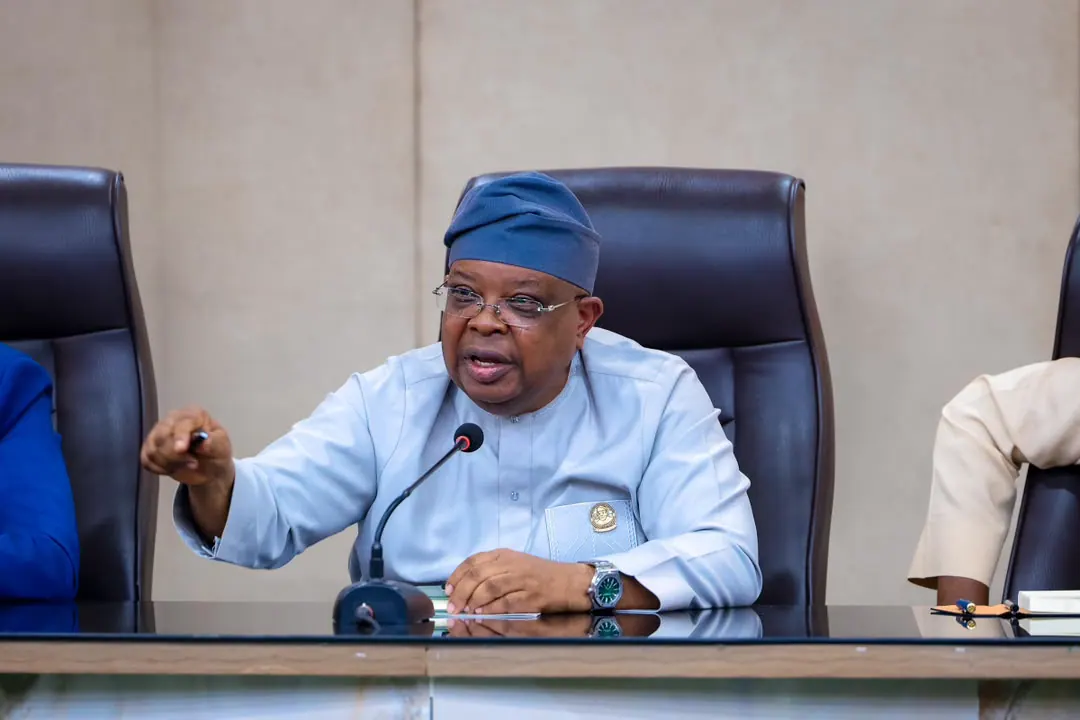
Nigeria's power sector has long resisted quick fixes, with problems extending beyond generation to gas supply, transmission, distribution, liquidity, metering, regulation, infrastructure, and financial relationships. Minister of Power Joseph Olasunkanmi Tegbe has marked his first 100 days in office with a comprehensive diagnosis and stabilisation plan. Tegbe's approach focuses on repairing existing platforms, recovering stranded assets, and restoring production before embarking on wider expansion. The Federal Ministry of Power has prioritised grid stability as the foundation for sustainable improvements in generation and distribution.
Tegbe's diagnosis identifies constrained gas supply, ageing generation assets, deferred maintenance, stalled projects, and inadequate capacity utilisation as key challenges. Financially, the sector faces weak payment flows, accumulated debts, and pressure on generators and gas suppliers. Transmission infrastructure is vandalised, overloaded, and inadequately protected, while distribution faces technical, commercial, and collection losses, inadequate metering, and estimated billing. To address these issues, Tegbe has organised his response around three priorities: stabilising the value chain, restoring market discipline, and strengthening governance.
Measurable interventions have been implemented, including the restoration of the 375MW Alaoji open-cycle power plant, offline for three years, to the national grid. New transformers in Lagos have unlocked 672MW of transmission capacity, while a 300MVA transformer at Katampe has unlocked a further 240MW. Generation and transmission have exceeded 5,000MW in recent weeks, compared to the 3,700MW-4,700MW range before June, with a reported peak of 5,330MW in August and September.
However, Tegbe acknowledges that a national peak figure does not automatically translate into reliable electricity for every community. The real test of power-sector reform is whether households, businesses, hospitals, schools, and industries experience more predictable electricity. Metering is a crucial aspect of this, with about 350,000 meters installed during the first 100 days, and cumulative installations reaching 1,004,260 as of August 2026.
The liquidity question is also significant, with ₦1.23 trillion mobilised towards the power-sector debt backlog, part of a broader programme addressing an estimated ₦3.3 trillion in sector debt. The objective is to repair the financial chain through which weaknesses in one segment can undermine others. Beyond the conventional grid, 62 solar and mini-grid installations across 30 states represent about 43.6MW of installed solar capacity, 41,735 new connections, and an estimated reach of more than 208,000 people.
The longer-term agenda includes deeper grid stabilisation along key corridors, development of a Transmission Super Grid, improved utilisation of existing generation assets, stronger protection systems, and expanded metering. Engagements with international development and financing institutions, as well as partners in the Nigeria-China power relationship, aim to accelerate investments. However, the credibility of the reform programme will ultimately depend on execution.
The first 100 days do not resolve a problem accumulated over decades, but they can establish whether the right problems have been identified, interventions are measurable, institutions are accountable, and early gains can be sustained. The next phase must focus on demonstrating outcomes: more stable supply, fewer system disruptions, accurate billing, faster complaint resolution, stronger transmission resilience, and measurable improvements in the everyday experience of electricity consumers.
Key points
- Nigeria's power sector problems extend beyond generation to gas supply, transmission, distribution, liquidity, metering, regulation, infrastructure, and financial relationships.
- The Minister of Power has organised his response around stabilising the value chain, restoring market discipline, and strengthening governance.
- The credibility of the reform programme will ultimately depend on execution and demonstrating tangible outcomes.