The world talks about energy security as a question of reserves, but reserves alone are not enough. Without the infrastructure to produce, transport, and sell them, countries can wait decades to realise their value. Oil in the ground does not fund budgets; core infrastructure transforms resources into national strength. This is a crucial lesson that Uganda has learned through its experience with the East African Crude Oil Pipeline.
The East African Crude Oil Pipeline, which runs 1,447 kilometres from Kabaale in Hoima District in Uganda to a terminal at Tanga Port in Tanzania, is a highly automated and digitalised energy system. Operators will be able to monitor critical operating conditions across the pipeline, including flow, pressure and temperature, while automated control, safety and leak-detection systems support its operation. This intelligence is especially important as the crude oil extracted is waxy, requiring temperature maintenance across 1,447km.
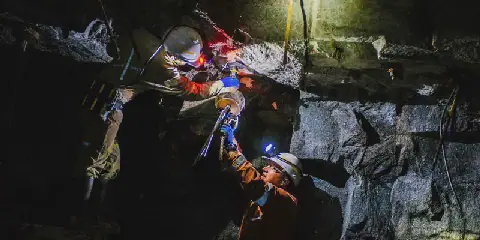
The physical and digital infrastructure are therefore inseparable: one moves the oil; the other makes it possible to do so safely and reliably. More than 12,000 people have been directly employed during construction across the project in Uganda and Tanzania. Furthermore, the engineers, welders, technicians, operators, and local companies that have worked to international standards can carry those capabilities into future projects. Infrastructure creates the people and businesses that can shape future projects.
The project, which started in 2017, has withstood years of financing pressure that would likely have broken a weaker arrangement. Uganda's national oil company and Tanzania's each hold an equal 15 per cent stake in the pipeline, alongside international partners. This joint-venture model has created stronger incentives to see the complex project through to completion. A co-owner has a much greater stake in staying at the table, particularly after significant political, financial and institutional commitments are made.
Commercial oil was found in the Albertine Graben back in 2006, but for close to two decades, no single barrel could be refined or exported, as Uganda had no domestic refinery and no way to reach a coastline. Only a pipeline could give Uganda access to the coast, and building one meant crossing another country. The country chose a joint-venture model, which has proved to be a crucial decision in realising the project's potential.
By the end of August 2026, the East African Crude Oil Pipeline stood at 92.7% overall completion, just in time for first oil. For a project of this scale, that number matters beyond the pipeline itself. It is evidence that complex, capital-intensive, cross-border infrastructure can move from agreement to execution when the parties involved remain committed to a common commercial objective.
The lesson from Uganda's experience with the East African Crude Oil Pipeline extends well beyond the country. Secure new energy supply depends not simply on the scale of a country's resources, but on its ability to turn them into reliable energy through infrastructure that crosses borders, withstands complexity, uses technology intelligently and builds long-term capability.
Key points
- Reserves alone are not enough to deliver energy security; infrastructure is crucial to transforming resources into national strength.
- A joint-venture model can create stronger incentives for countries to see complex projects through to completion.
- Secure new energy supply depends on a country's ability to turn its resources into reliable energy through cross-border infrastructure.