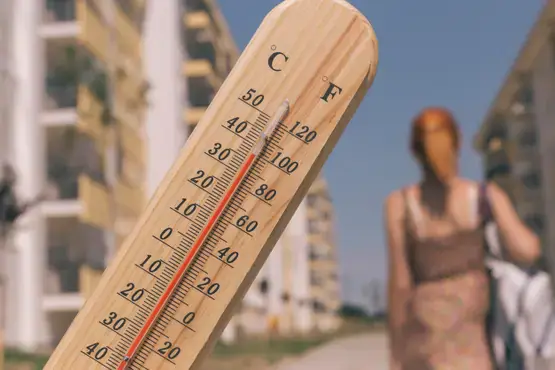
Researchers have called for climate change to be declared a global health emergency, citing its devastating impact on human health. In a report published in the British Medical Journal "The Lancet", the researchers warned that the efforts of countries to address the effects of global warming are not keeping pace with the rapid acceleration of its impact on human health. The report highlighted that climate change has been linked to nearly 3 million heat-related deaths worldwide between 2016 and 2023.
The report, which was co-authored by 146 researchers from 30 countries, was released ahead of the United Nations Climate Conference "COP 31" scheduled to take place from November 9 to 20. The researchers emphasized that declaring climate change a global health emergency would give it top priority among governments and help mobilize the necessary funding to adapt health systems and economies to the increasing risks. This, they argue, is crucial given the alarming rate at which climate change is affecting human health.
According to the report, climate change caused nearly 710,000 heat-related deaths in 2023 alone, a record number that surpasses the number of deaths from malaria or HIV. More than two-thirds of these deaths are attributed to climate change caused by human activities. The researchers used a comparative analysis of recorded heat-related deaths and estimated hypothetical cases that would have occurred in the absence of climate change to determine the number of additional deaths linked to global warming.
Marina Romanello, Executive Director of the "Lancet Countdown" project, presented the report to the press on October 28, highlighting that the past decade since the Paris Climate Agreement has seen a rapid escalation of the negative health effects of climate change, outpacing the international response. She emphasized that recognizing climate change as a global health emergency could facilitate the creation of an emergency intervention mechanism, similar to those used by the World Health Organization during pandemics.
The researchers stressed that the impact of climate change on human health is accelerating and that a coordinated and sustained international response is needed to address this crisis. They called for governments to take immediate action to mitigate the effects of climate change and to provide adequate funding to support health systems and economies in adapting to the increasing risks.
Professor Ollie Jay from the University of Sydney explained that the researchers used a novel approach to estimate the number of deaths linked to human-caused climate change. By comparing recorded heat-related deaths with estimated hypothetical cases, they were able to determine the number of additional deaths attributable to global warming. This approach provides a more accurate understanding of the devastating impact of climate change on human health.
The Lancet report is a stark reminder of the urgent need for governments and international organizations to take decisive action to address the climate crisis. With climate change having been linked to nearly 3 million heat-related deaths between 2016 and 2023, it is clear that this issue can no longer be ignored. The researchers' call for climate change to be declared a global health emergency is a timely and necessary step towards mobilizing a coordinated and sustained international response to this crisis.
Key points
- Climate change has been linked to nearly 3 million heat-related deaths worldwide between 2016 and 2023.
- Researchers are calling for climate change to be declared a global health emergency to mobilize a coordinated and sustained international response.
- The impact of climate change on human health is accelerating and requires immediate attention from governments and international organizations.