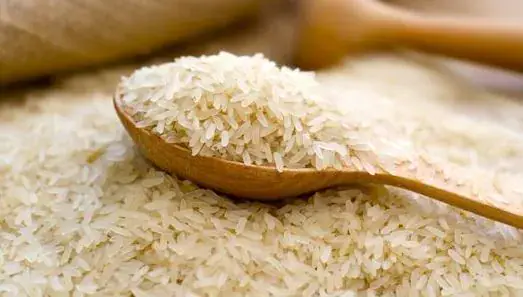
Locally produced Ghanaian rice is comparable in genetic quality to rice from Vietnam, but its taste and texture can be affected by cooking methods. According to Professor Maxwell Darko Asante, Director of the Crops Research Institute at the Council for Scientific and Industrial Research, the same cooking method for Vietnamese rice should not be used for Ghanaian rice. He notes that consumers accustomed to imported rice often use too much water when cooking freshly harvested Ghanaian rice, affecting its texture.
Research has shown that very little water is needed for cooking fresh Ghanaian harvested rice. Professor Asante's PhD was on breeding for rice grain quality, and he found that Ghanaian varieties match those from Vietnam in terms of genotype. He explained that freshly harvested Ghanaian rice generally requires less water during cooking than imported varieties, which are normally stored for longer periods before export to Ghana.
Locally produced rice has the potential to offer stronger aroma and better taste due to its freshness and shorter storage period. However, consumers often apply the same cooking methods to fresh Ghanaian rice as they do to imported Asian rice, resulting in excessive water use and affecting the texture of the cooked rice. Professor Asante emphasizes that the difference in cooking requirements does not necessarily point to inferior genetic quality in local varieties.
Proper post-harvest handling is necessary to preserve the quality of locally produced rice. Professor Asante notes that some farmers occasionally mishandle paddy rice after harvesting, which can affect the quality of the final product. He stresses that prompt drying, appropriate moisture management, and proper milling are essential to maintain the quality of locally produced rice.
The influx of cheaper imported rice is a major challenge facing local producers. Some imported rice enters the country through unapproved routes and is sold at prices that locally produced varieties struggle to match. The appreciation of the cedi has also made imported rice cheaper, increasing competition for domestic producers.
Professor Asante calls for increased investment in the rice value chain to help Ghanaian rice compete more effectively with imported brands. He suggests that better processing and post-harvest handling, alongside support for local production, would improve the quality and competitiveness of locally produced rice.
By adopting the right cooking methods and handling practices, consumers can enjoy high-quality locally produced Ghanaian rice. Professor Asante's research aims to promote the appreciation of local rice and support domestic producers. With the right support and investment, Ghanaian rice can compete effectively with imported brands and provide consumers with a consistent and high-quality product.
Key points
- Use less water when cooking fresh Ghanaian harvested rice.
- Proper post-harvest handling is essential to preserve the quality of locally produced rice.
- Increased investment in the rice value chain can help Ghanaian rice compete with imported brands.
Reporting sources
- Researcher on how to cook local Ghanaian rice for it to taste... · Daily Graphic