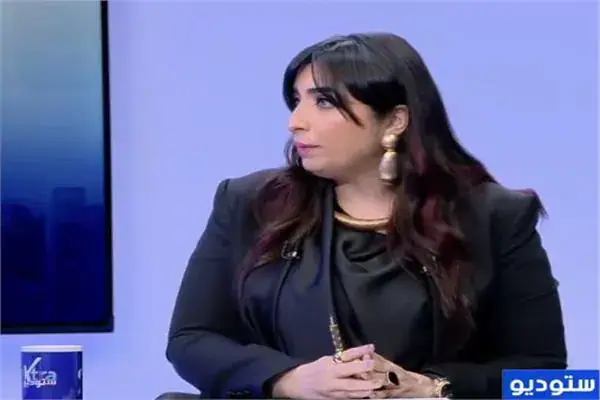
A recent study by researcher Aisha Nassar has revealed that several prominent leaders of the European Muslim Council have dual roles, serving in both the council and high-ranking positions within the Muslim Brotherhood. This overlap has raised questions about the potential influence of the Brotherhood on the council. Nassar's research has shed light on the connections between these two organizations.
According to Nassar, Abdullah bin Mansour, the head of the European Muslim Council, is also a member of the Muslim Brotherhood's international council. Furthermore, Mahmoud Al-Abyari, a member of the Brotherhood's guidance office and international council, holds positions on various committees within the European Muslim Council. These dual roles have sparked concerns about potential conflicts of interest.
Nassar's research also highlights the involvement of other prominent figures, including Ahmed Al-Rawi, the former president of the Islamic Organizations Union, which later became the European Muslim Council. Al-Rawi is also a member of the Muslim Brotherhood's international council. Additionally, Helmy Al-Gazzar has participated in events organized by institutions affiliated with the council in Istanbul.
The researcher has identified several other individuals who have held advisory roles during the Muslim Brotherhood's rule in Egypt in 2012. Ayman Ali and Essam El-Haddad, for example, have held positions as Secretary General of the Union of Muslim Europe and Secretary General of Islamic Relief, respectively. These connections demonstrate a significant overlap between the two organizations.
Nassar's study has also revealed the involvement of other individuals, including Sandus Asim Shalabi, who has played a role in training cadres within the council, particularly in the youth wing. The researcher has emphasized the importance of understanding these connections to better grasp the dynamics at play.
The findings of Nassar's research have significant implications for our understanding of the relationships between various Islamic organizations in Europe. By highlighting the overlap between the European Muslim Council and the Muslim Brotherhood, Nassar's study provides valuable insights into the complex landscape of Islamic organizations in the region.
The European Muslim Council has been a prominent voice in European Islamic affairs, and the connections to the Muslim Brotherhood raise questions about the council's independence and potential biases. As the researcher notes, further study is needed to fully understand the implications of these connections and their potential impact on European society.
Key points
- The researcher found that several leaders of the European Muslim Council have ties to the Muslim Brotherhood.
- The connections between the two organizations raise questions about potential conflicts of interest and biases.
- The study highlights the need for further research into the relationships between Islamic organizations in Europe.