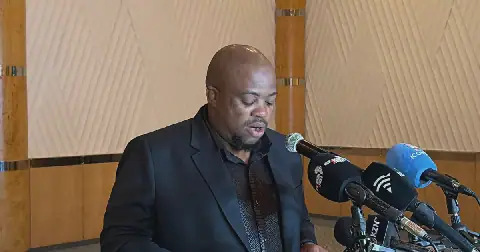
Former Director-General of the National Intelligence Agency (NIA), Ambassador Ahmed Rufai, has shared a remarkable account of a rescued Chibok schoolgirl who expressed a desire to return to her Boko Haram husband. This revelation was made during an international security forum in Qatar, where Rufai highlighted the complexities of rescuing and reintegrating victims of terrorism. The Chibok abduction, which occurred on April 14, 2014, resulted in the kidnapping of 276 schoolgirls from the Government Girls Secondary School in Chibok, Borno State.
The abduction triggered national and international outrage, with some girls escaping or being released subsequently, while many remained in captivity for years, forced into marriages with insurgents. Rufai explained that terrorist abductions are motivated by different factors, including ideology, political objectives, and financial gain, requiring varied approaches from security agencies. He emphasized that understanding these motivations is crucial in developing effective strategies for rescuing hostages and countering terrorism.
According to Rufai, the rescued Chibok schoolgirl had been married to three Boko Haram fighters, with her first two husbands killed in combat. She was eventually rescued and taken to Abuja, where she underwent medical examinations and debriefing. During her debriefing, the woman spoke positively about a Boko Haram zonal commander who had taken her under his care and arranged new marriages for her following the deaths of her previous husbands.
Rufai revealed that the woman’s response after her rescue was particularly striking, as she wanted to see her parents but did not want to remain with them. Despite being reunited with her family, she expressed a desire to return to her Boko Haram husband. The former intelligence chief noted that the experience demonstrated the complicated circumstances security agencies encounter when dealing with victims who have spent years in captivity and developed relationships within terrorist groups.
On the motivations behind terrorist abductions, Rufai distinguished between groups driven by ideology and those motivated by financial gain. He explained that where abductors were primarily motivated by financial gain, discreet negotiations could be necessary to secure the release of hostages. Rufai emphasized that such negotiations required discretion, with sensitive details kept private to avoid jeopardizing the rescue efforts.
Rufai added that negotiations for hostage release often involve trusted intermediaries who have established relationships with the abductors. He stressed the importance of using back channels and maintaining confidentiality during these negotiations. The former intelligence chief also highlighted the need for a nuanced approach in dealing with terrorist groups, taking into account their motivations and objectives.
The Chibok abduction and the subsequent experiences of the rescued schoolgirls underscore the complexities of counter-terrorism efforts in Nigeria. As the country continues to grapple with the Boko Haram insurgency, the insights shared by Rufai emphasize the need for a comprehensive approach that addresses the root causes of terrorism and the rehabilitation of victims.
Key points
- A rescued Chibok schoolgirl wanted to return to her Boko Haram husband despite being reunited with her family.
- Terrorist abductions are motivated by different factors, including ideology, political objectives, and financial gain.
- Discreet negotiations and back channels are often necessary to secure the release of hostages.