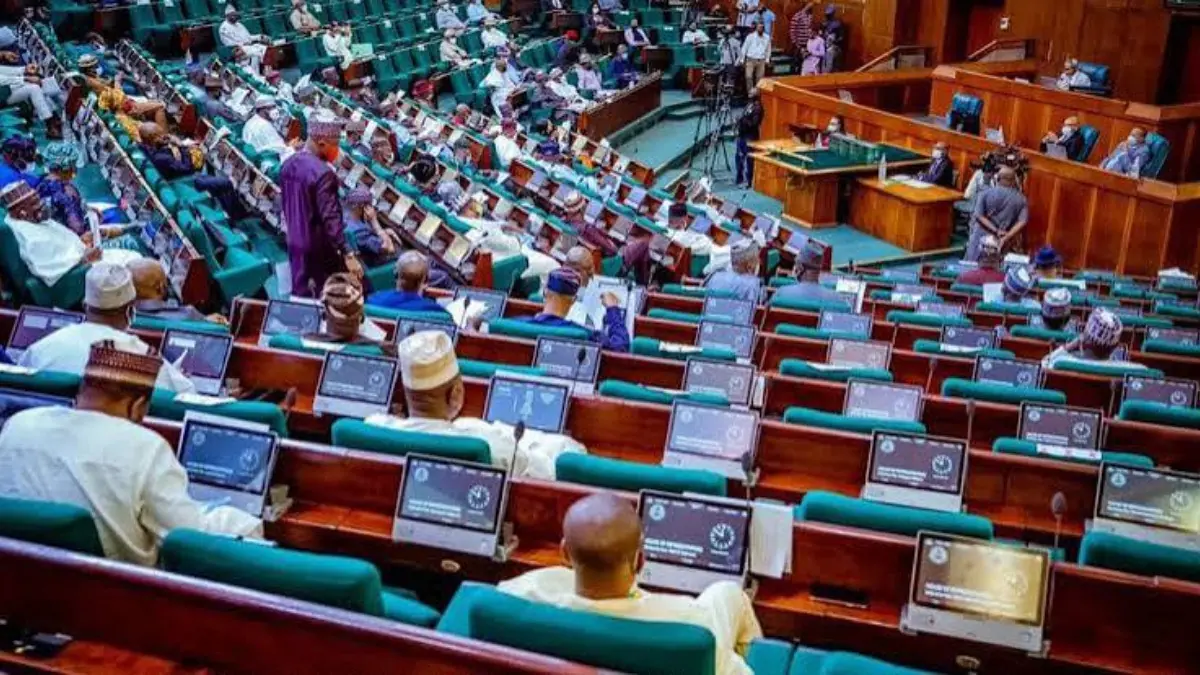
The Nigerian House of Representatives has called on the Federal Government to declare a "National Youth Jobs Emergency" to address the growing youth population's unemployment. This demand follows a motion of urgent public importance sponsored by Billy Osawaru, who linked the country's security situation to the collapse of productive industries and lack of economic opportunities for young Nigerians. Osawaru cited alarming statistics on insecurity, including over 10,000 deaths and 7,500 kidnappings in 2024.
The lawmakers urged the Federal Government to revive Nigeria's moribund textile industry, particularly in Kaduna, which was once a major textile manufacturing hub. Nigeria had over 160 textile mills between the 1970s and 1990s, with Kaduna hosting over 10 textile companies. The collapse of the industry has led to significant job losses and weakened local manufacturing. The House proposed a ban on imported used clothing and enforcement of local-content requirements for uniforms and clothing procured by schools, security agencies, and the NYSC.
The House also identified agriculture and agro-processing as key areas for immediate job creation. They called for funds to be appropriated for modern storage facilities and agro-processing clusters in each geopolitical zone, with implementation targeted within 12 to 24 months. Inadequate storage and processing infrastructure has contributed to post-harvest losses of over 40%, while insecurity has restricted access to large areas of farmland. The proposed investment could cut post-harvest losses and create about one million direct jobs.
The lawmakers further urged the Federal Government to work with the Bank of Industry and the Central Bank of Nigeria to establish a Manufacturing Revival Fund offering low-interest financing to SMEs that meet local-sourcing and youth-employment targets. This move aims to stimulate investment in textile production and create jobs across the cotton, spinning, weaving, garment, and distribution value chains.
The House also turned its attention to Nigeria's largely underdeveloped solid minerals sector, which holds over 44 mineral types estimated to be worth about $700 billion. Despite the resource base, the sector contributes only about 0.5% to the nation's GDP. The lawmakers called for amendments to the Mining Act to formalize artisanal miners, establish six mineral processing zones, and strengthen security around mining areas.
Particular concern was expressed over illegal mining in the North-West, with reports linking proceeds from illegal mining to the financing of banditry. The House said formalizing artisanal mining and expanding local mineral processing would help bring more operators into the regulated economy, create employment, and increase the value retained within Nigeria.
Osawaru maintained that Nigeria's security challenges required a broader response combining security operations with economic and employment interventions. He cited reports by Amnesty International and the Socio-Economic Rights and Accountability Project on repeated abductions of schoolchildren, commuters, women, and rural residents as evidence of the scale of the crisis. The lawmaker argued that reviving sectors such as agriculture, manufacturing, textiles, and mining would not only expand employment but also strengthen local production and reduce Nigeria's dependence on imports.
Key points
- The Nigerian House of Representatives has called for a "National Youth Jobs Emergency" to address the growing youth population's unemployment.
- The lawmakers urged the Federal Government to revive Nigeria's moribund textile industry and establish modern storage facilities and agro-processing clusters.
- The proposed investment in agriculture and agro-processing could create about one million direct jobs and cut post-harvest losses.