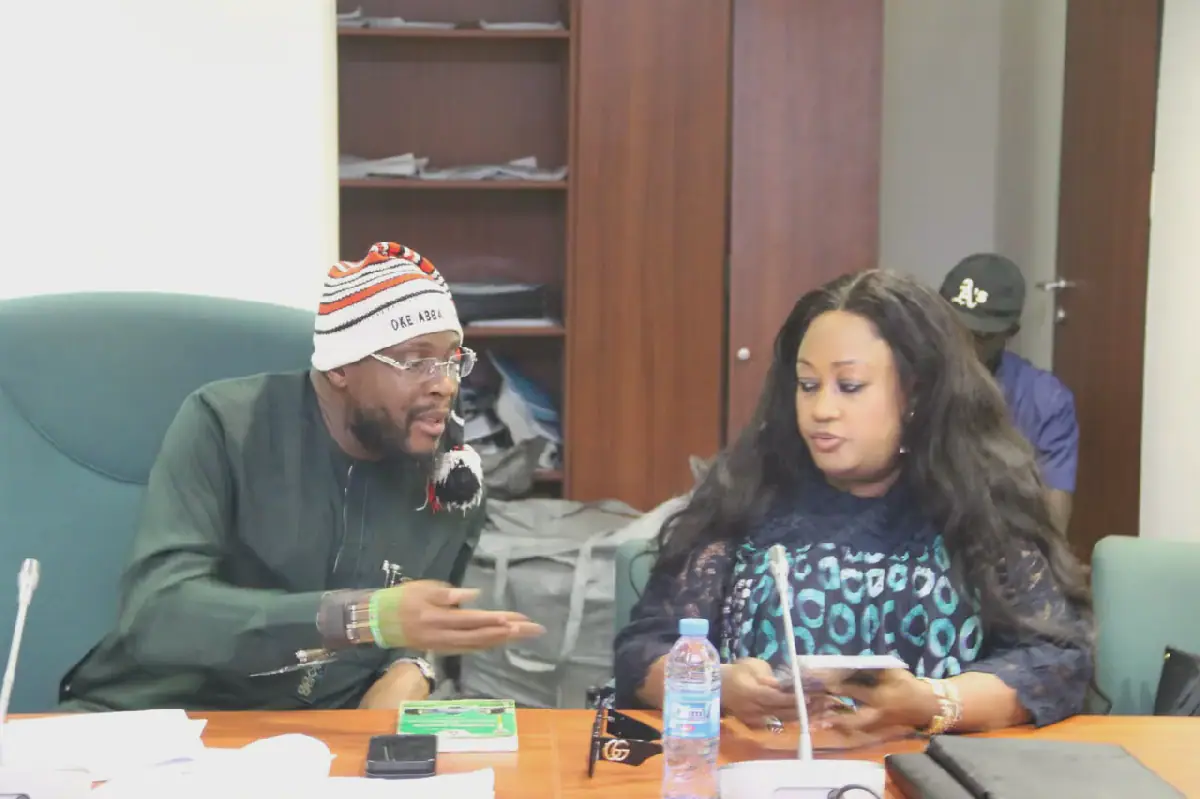
The Nigerian House of Representatives has initiated an investigation into the management of seized, forfeited, and recovered assets in the country. The probe, led by the Sub-Committee on Public Assets, aims to address concerns over transparency and accountability in the handling of these assets. The committee, chaired by Hon. Ibe Okwara Osonwa, has summoned five security and regulatory agencies to appear before it on November 2, 2026. These agencies include the Nigerian Navy, Nigeria Police Force, Nigeria Customs Service, Nigeria Immigration Service, and the Nigerian Midstream and Downstream Petroleum Regulatory Authority (NMDPRA).
The agencies are expected to provide detailed information on their roles in the recovery, custody, management, and disposal of assets obtained through law enforcement and other statutory processes. This move is part of a broader effort to establish an accurate and verifiable record of assets held or managed by relevant government institutions. The sub-committee will also examine the current status of these assets and how they have been utilised. According to Osonwa, the investigation is necessary due to persistent questions about the handling of seized and forfeited properties across successive administrations.
The Chairman of the sub-committee, Hon. Ibe Okwara Osonwa, emphasised the need for a comprehensive review of existing practices. He noted that concerns over coordination among government agencies, documentation of recovered assets, and their eventual disposal have been ongoing. Osonwa highlighted that the exercise is a major step towards addressing transparency and accountability concerns surrounding recovered public assets. The sub-committee's investigation will focus on establishing a unified digital registry to improve record-keeping and facilitate information-sharing among agencies.
The proposed digital registry aims to enable authorities to track recovered assets from the point of seizure or forfeiture through custody, management, disposal, or transfer for public use. This move is expected to address inconsistencies in existing asset records and improve transparency in asset management. The sub-committee also plans to examine existing accountability mechanisms and recommend reforms to address loopholes and strengthen institutional oversight.
The investigation will further focus on aligning asset management practices with relevant laws and international best practices. Osonwa stressed that recovered assets should be managed in the public interest, including through restitution, reinvestment, and other national development priorities. The sub-committee's recommendations are expected to close long-standing loopholes, modernise asset management systems, and reinforce Nigeria's commitment to transparency and responsible stewardship.
The five summoned agencies are expected to appear before the sub-committee on November 2, 2026. This followed a motion moved by Hon. Omosede Igbinedion and supported by other members of the sub-committee. Osonwa urged members of the panel to approach the assignment with diligence and objectivity, expressing confidence that the investigation would produce recommendations to improve inter-agency coordination and strengthen accountability in the management of recovered assets.
The probe is part of a broader effort to improve transparency and accountability in the management of public assets in Nigeria. The sub-committee's investigation is expected to shed more light on the handling of seized and forfeited properties and lead to reforms that will improve asset management practices in the country. The outcome of the investigation is expected to have significant implications for the management of recovered assets and the fight against corruption in Nigeria.
Key points
- The Nigerian House of Representatives has summoned five security and regulatory agencies to explain their roles in the management of seized assets.
- The investigation aims to establish a unified digital registry to improve record-keeping and facilitate information-sharing among agencies.
- The probe is part of a broader effort to improve transparency and accountability in the management of public assets in Nigeria.