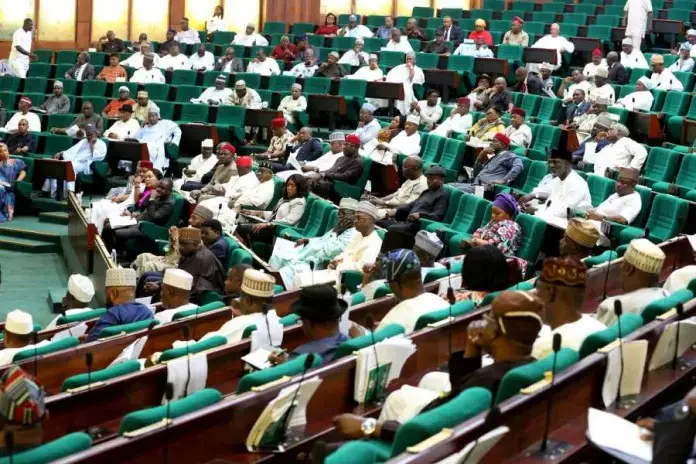
The Nigerian House of Representatives has identified bureaucratic bottlenecks, high lending rates, and inadequate institutional support as major challenges hindering the growth and sustainability of Micro, Small and Medium Enterprises (MSMEs) in the country. According to the lawmakers, these obstacles have significantly undermined the potential of MSMEs to contribute to Nigeria's economy. The House also criticized state and local governments for failing to provide adequate financial and policy support to the sector.
The Speaker of the House, Hon. Tajudeen Abbas, represented by the Majority Leader, Prof. Julius Ihonvbere, stated that many small businesses in Nigeria have managed to survive in the difficult economic environment largely through personal determination and resilience. He emphasized that the survival of these businesses is not due to government support or agencies. The Speaker also noted that state governments have the capacity to provide financial support to MSMEs, citing the example of a special fund that could be established for this purpose.
The Chairman of the House Committee on Small and Medium Enterprises, Dr Pascal Agbodike, said the stakeholders' engagement was convened to move beyond discussions about the challenges facing MSMEs and to develop practical legislative and institutional solutions. The engagement, which took place in Abuja, brought together various stakeholders to discuss the challenges facing MSMEs and explore ways to address them.
The Director-General of the Presidential Enabling Business Environment Council (PEBEC), Princess Zahrah Mustapha Audu, highlighted the importance of access to affordable financing, reduction of regulatory bottlenecks, and stronger partnerships with state governments in unlocking the potential of Nigeria's MSMEs. She emphasized that these factors are critical to the growth and sustainability of MSMEs in the country.
According to the lawmakers, despite the significant increase in allocations to state and local governments, the sector has not received adequate financial and policy support. This has resulted in many MSMEs struggling to access finance and operate in a favorable business environment. The House of Representatives is seeking to address these challenges through legislative and institutional solutions.
The stakeholders' engagement organized by the House Committee on Small and Medium Enterprises in Abuja aimed to bring together various stakeholders to discuss the challenges facing MSMEs and explore ways to address them. The event provided a platform for lawmakers, business leaders, and other stakeholders to share ideas and develop practical solutions to the challenges facing MSMEs.
The House of Representatives' move to address the challenges facing MSMEs is a significant step towards promoting entrepreneurship and economic growth in Nigeria. By identifying the major obstacles to the growth of MSMEs and seeking to address them, the lawmakers hope to create a more favorable business environment that will enable small businesses to thrive and contribute to the country's economy.
Key points
- Bureaucratic bottlenecks and high lending rates are major obstacles to the growth of MSMEs in Nigeria.
- State and local governments have been criticized for failing to provide adequate financial and policy support to MSMEs.
- Access to affordable financing, reduction of regulatory bottlenecks, and stronger partnerships with state governments are critical to unlocking the potential of Nigeria's MSMEs.
Reporting sources
- Reps blame slow growth of MSMEs on bureaucratic bottlenecks, high lending rates · Blueprint Newspaper