The Darfur Victims Advocacy Organization, in collaboration with the Kanabi Conference and the London-based Centre for Truth and Knowledge, has launched a human rights report documenting alleged atrocities against civilians in Sudan's Al-Jazira State. The report, titled "Identity, Colour and Violence in Sudan," was unveiled at a conference in Kampala, attended by representatives of 54 Sudanese and African human rights and civil society organizations. The report details alleged killings, summary executions, and forced displacement during a series of attacks on the Kambo Taiba area in January 2025.
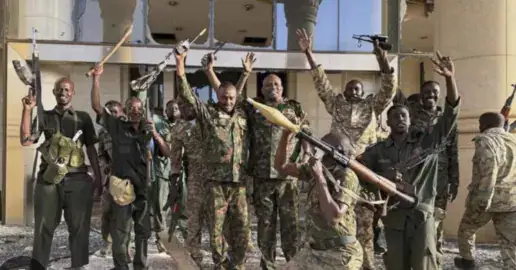
According to the report, the attacks took place between 9 and 14 January 2025, resulting in the deaths of 43 civilians, mostly children and elderly people. A total of 134 houses were set ablaze, and numerous properties and economic enterprises were destroyed. Approximately 5,000 families were forcibly displaced, with the attackers deploying around 25 military vehicles, heavy weapons, artillery, and drones during the assaults. The Sudanese Armed Forces (SAF) and allied groups, including the Sudan Shield Forces and the Al-Bara bin Malik Brigades, are accused of responsibility for the attacks.
The report documents three successive waves of attacks involving artillery bombardment, arson, armed incursions, and summary executions. It also acknowledges discrepancies in the casualty figures presented in different sections of the report and calls for independent verification to establish the final death toll. The report places the violence in Kambo Taiba within a broader pattern of alleged abuses against Kanabi settlements across Al-Jazira State, documenting forced displacement affecting 18 villages.
The report warns that attacks targeting communities based on ethnic identity and skin color could amount to war crimes or crimes against humanity. It raises serious concerns about possible ethnic cleansing and urges the authorities to ensure that Kanabi communities are meaningfully included in development and post-war reconstruction plans. The Kanabi communities have long endured systemic deprivation of essential services, including water, electricity, education, and adequate housing.
Adam Musa Ishaq, director of the Darfur Victims Advocacy Organization, called for formal recognition of the communities' residential and land tenure rights, official registration of their settlements, and guaranteed access to essential public services. He also urged the authorities to provide reparations to affected families and ensure that those responsible for the attacks are held accountable. The report calls for independent investigations into the alleged violations and measures to protect witnesses and survivors.
The report was launched at a conference attended by eyewitnesses, survivors, and families of victims. It aims to bring attention to the plight of the Kanabi communities and the need for urgent action to prevent further violence. The Darfur Victims Advocacy Organization and its partners hope that the report will contribute to a broader understanding of the situation in Sudan and inform efforts to promote justice and accountability.
The report's findings and recommendations are a stark reminder of the need for Sudan to address the systemic issues driving violence and human rights abuses. The international community is urged to support efforts to promote accountability, justice, and human rights in Sudan. Key points include the need for independent investigations, formal recognition of Kanabi communities' rights, and measures to prevent further violence against civilians based on ethnic identity or skin color.
Key points
- The report documents alleged atrocities against civilians in Sudan's Al-Jazira State, including killings, summary executions, and forced displacement.
- The attacks are accused to have been carried out by the Sudanese Armed Forces (SAF) and allied groups.
- The report calls for independent investigations, accountability for those responsible, and measures to protect witnesses and survivors.
Reporting sources
- Report documents ethnic, racial violence in Sudan · Radio Tamazuj