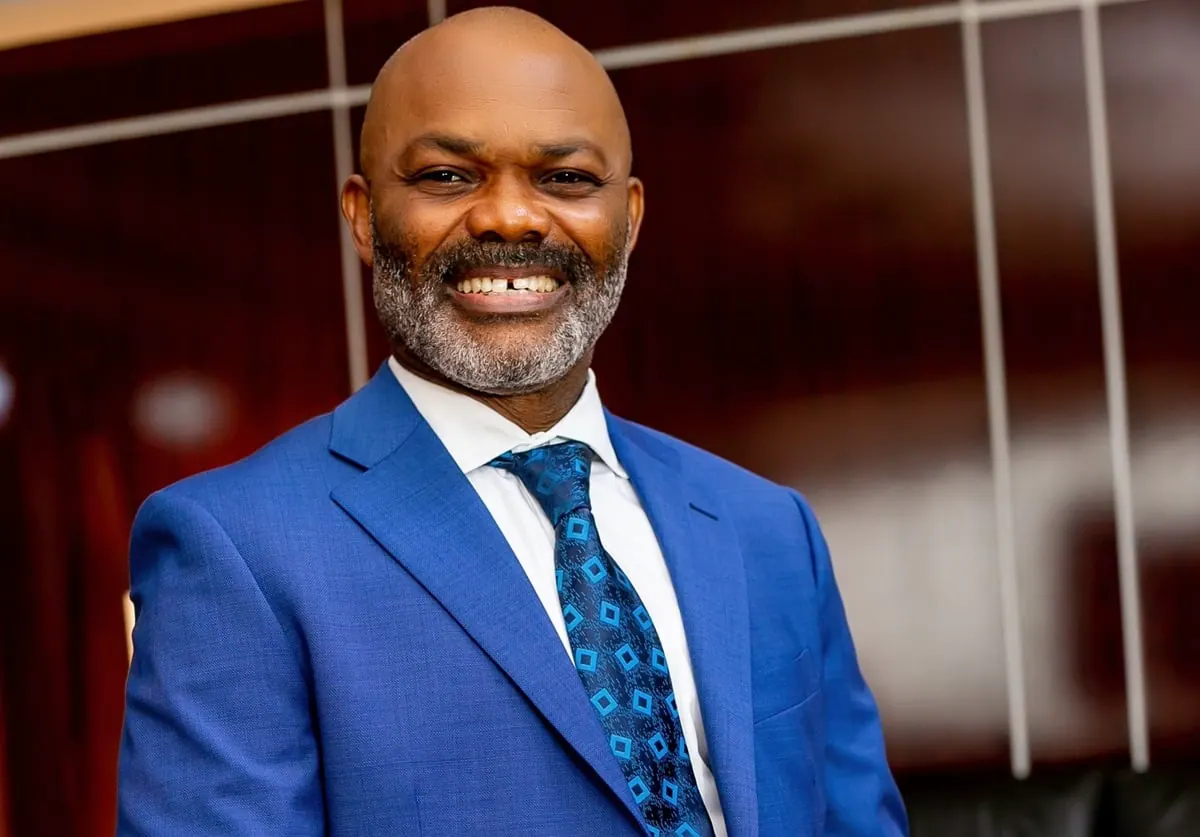
Franklin Nechi, Chairman of Optiva Capital Partners, has emphasized that global mobility should not be mistaken for capital flight. In a recent interview, Nechi explained that international access can strengthen Nigerian businesses and create opportunities for entrepreneurs and families. He noted that wealth without access can become stranded wealth, and increasing access is becoming as valuable as the assets people own.
According to Nechi, the concept of global mobility has deepened in 2026, and it is no longer just a thesis but a reality. Clients with substantial naira assets have struggled to execute international business transactions, respond to medical emergencies, or secure timely educational opportunities for their children due to lack of access. This has reinforced the belief that access is crucial for deploying wealth effectively across markets and meeting important family and business needs.
Nechi highlighted that Africans can convert international access into wealth by creating business opportunities, family options, and community impact. International access should help entrepreneurs build international supply chains, secure quality education for their children, and attract investment back home. He stressed that collecting visas is not the objective, but using international access to create opportunities is what matters.
The old philosophy of wealth accumulation has given way to a new one that emphasizes positioning. Nechi noted that families are increasingly considering how to structure their wealth for a future where business relationships and professional opportunities may span several countries. Assets remain important, but their usefulness also depends on how effectively they support businesses, withstand economic shocks, and provide opportunities across generations.
A second passport can become a wealth strategy when individuals think beyond personal travel to their family's future. Nechi emphasized that the decision to acquire a second citizenship must reflect individual circumstances, objectives, eligibility requirements, and costs. For some families, international mobility may complement existing investments and business interests, while for others, residency options may be more appropriate.
Nechi identified three major lessons from 2026's immigration policy changes. Firstly, the era of easy, inexpensive citizenship is giving way to greater scrutiny. Governments increasingly demand transparency, credible sources of funds, and rigorous due diligence. Secondly, timing matters, and applicants must understand the requirements and ensure their documentation is complete. Thirdly, credible advisers are essential as compliance requirements tighten.
In 2027, value will lie in reputable jurisdictions offering stability, robust due diligence, and credible long-term opportunities. Nechi advised applicants to be cautious about schemes promising unusually fast results at suspiciously low costs and to verify programme requirements, understand financial commitments, and seek professional advice. He concluded that global mobility can facilitate capital circulation rather than capital flight, and entrepreneurs can use international access to develop trade relationships, attract investors, and establish partnerships that benefit businesses at home.
Key points
- Global mobility can facilitate capital circulation rather than capital flight.
- International access can strengthen Nigerian businesses and create opportunities for entrepreneurs and families.
- A second passport can become a wealth strategy when individuals think beyond personal travel to their family's future.