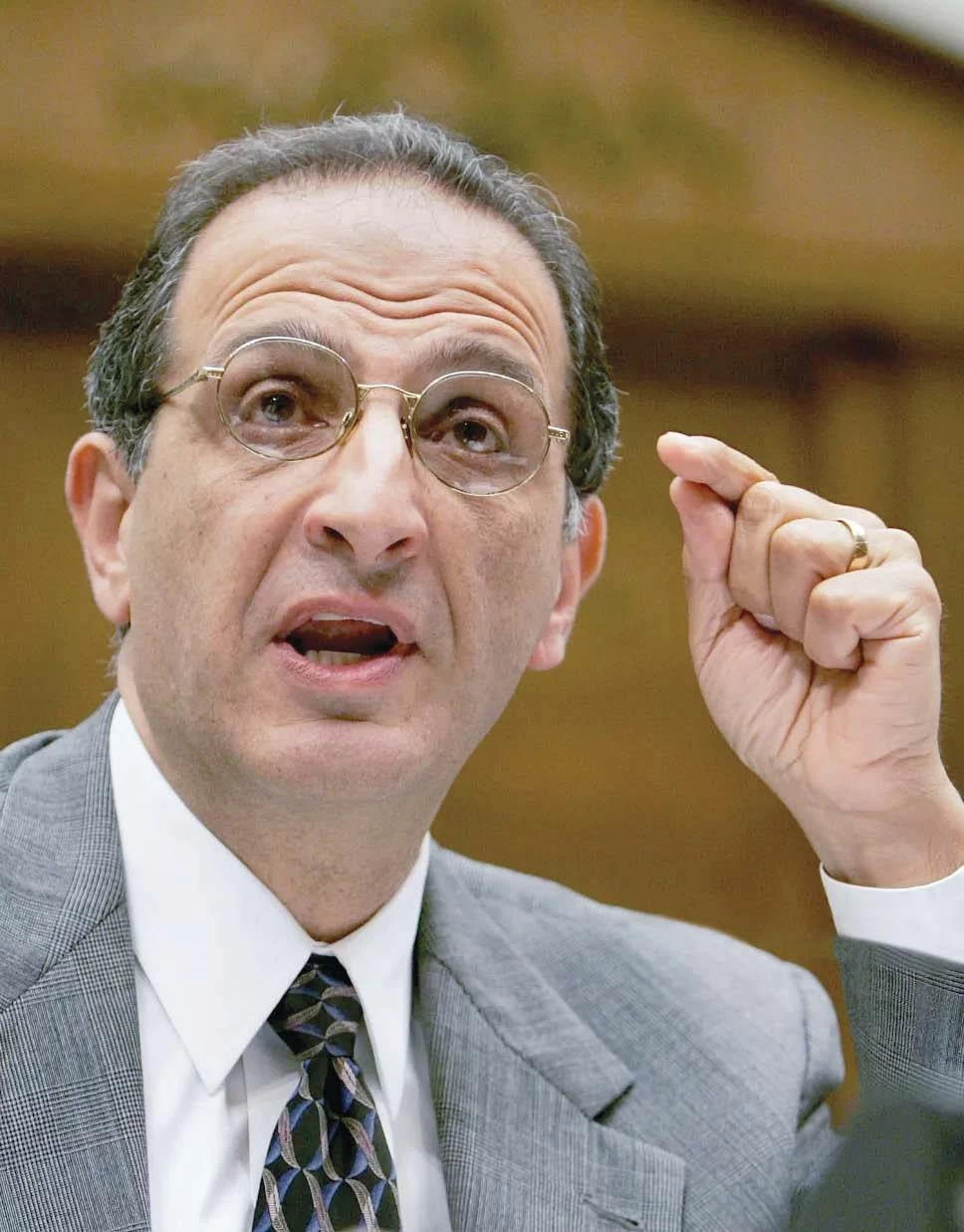
In a recent interview with Al-Masry Al-Youm, James Zogby, a prominent American academic of Arab descent and head of the Arab American Institute, shared his perspectives on the evolving landscape of global politics. Zogby, known for his expertise on the Middle East and public opinion polls, discussed the end of the bipolar world order and the emerging complexities in international relations. He emphasized that the current era is characterized by the rise of multiple global and regional players, leading to a more intricate geopolitical environment.
Zogby reflected on the changing dynamics between major powers, particularly the United States and China. He noted that while these two nations are the largest economies globally, they are not the sole dominant forces. Instead, various regional players, such as Turkey, Israel, Iran, Saudi Arabia, and the United Arab Emirates, are vying for influence in the Middle East. This multipolar landscape, according to Zogby, requires a comprehensive approach to addressing regional conflicts and security concerns.
The academic highlighted the need for a collective security agreement in the Middle East, similar to the Organization for Security and Co-operation in Europe. Such an agreement, he argued, would promote respect for sovereignty, territorial integrity, and non-aggression, while fostering regional trade and investment. Zogby also stressed the importance of resolving the Israeli-Palestinian conflict, which he believes is essential for achieving stability in the region.
Zogby discussed the role of public opinion polls in understanding societal trends and attitudes. He explained that polls can provide insights into people's views, preferences, and potential reactions to various developments. However, he cautioned that poll data should not be seen as a precise predictor of future events, but rather as a snapshot of public sentiment at a given time.
The interview touched on the Israeli-Palestinian conflict, specifically the failed Oslo Accords. Zogby described the accords as a necessary step, but ultimately insufficient for achieving lasting peace. He attributed the failure of the accords to the lack of commitment from the Israeli side and the inability of the Palestinian leadership to secure meaningful concessions.
Zogby addressed the current situation in Gaza, where the humanitarian crisis has reached critical levels. He dismissed the idea of transforming Gaza into a tourist destination, as proposed by some Israeli and American officials, as unrealistic and insensitive. Instead, he called for a concerted international effort to address the crisis, including providing emergency aid, supporting the local population, and promoting a peaceful resolution to the conflict.
Regarding the role of Hamas in Gaza, Zogby noted that recent polls suggest the group's influence has waned. He argued that Israel's continued military actions in Gaza and its refusal to engage in meaningful negotiations have contributed to the ongoing instability. Zogby emphasized the need for a comprehensive approach to addressing the Gaza crisis, one that takes into account the complex interplay of regional and international factors.
Key points
- The global power dynamics have shifted, with the emergence of multiple regional players and a more complex geopolitical landscape.
- A collective security agreement is necessary to promote stability and address conflicts in the Middle East.
- The Israeli-Palestinian conflict remains a critical challenge, requiring a meaningful and lasting resolution to achieve regional stability.