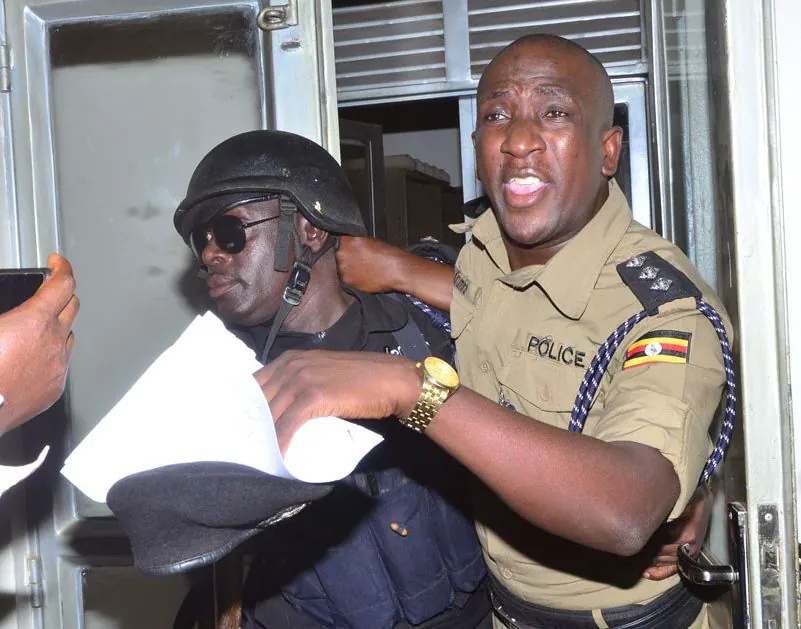
Questions surrounding the killing of Muhammad Kirumira have resurfaced as senior security officials re-examine intelligence reports from 2018. Kirumira was shot dead on September 8, 2018, in Bulenga, Wakiso District, alongside his friend Resty Nalinya Mbabazi, a mobile money dealer. The two were attacked while traveling in Kirumira's car along the Kampala-Mityana road. Uganda Police described the killing as one of a series of organized shootings that had shaken the country.
The renewed scrutiny comes amid a wider investigation into high-profile shootings, including the 2016 killing of Major Muhammad Kiggundu and his bodyguard, the 2018 murder of former Arua Municipality MP Ibrahim Abiriga, and the 2021 attempted assassination of former Works and Transport Minister Gen. Edward Katumba Wamala. Police records link several of these cases to organized criminal networks. However, each attack has been investigated separately, and similarities between cases do not establish a connection.
At the time of Kirumira's murder, investigators pursued several leads, including possible links involving people within the security establishment. Assistant Superintendent of Police Ismail Senono was arrested after investigators examined his communications before and after the shooting. Security sources said his telephone number had been in communication with alleged assailants. Police also examined whether firearms used in Kirumira's killing were connected to weapons used in other high-profile shootings.
The official police account identified two suspects, Abubaker Kalungi and Hamza Mwebe, who were arrested and charged in connection with the murder. The case was committed to the High Court. However, in April 2023, the High Court acquitted Kalungi after finding that his alleged confession had been obtained after torture. The judge observed that Kalungi had healing torture marks four days before the statement was obtained by police.
Kirumira's death was significant due to his involvement in a bitter disciplinary dispute with sections of the Police leadership shortly before his killing. In January 2018, he was charged before the Police Tribunal with six offenses, including torture, extortion, corruption, bribery, unlawful arrests, and abuse of authority. His confrontational relationship with parts of the Police establishment became an important part of public discussion about possible motives behind his assassination.
The renewed examination of intelligence reports could reopen questions about what security agencies knew before the attack, what warnings may have existed, how suspects were identified, and whether all available intelligence was properly followed. The wider pattern of attacks has continued to attract scrutiny, with police investigating the Kiggundu murder, the killing of Abiriga, and other high-profile shootings as part of broader efforts to dismantle organized criminal networks.
For Kirumira's family and those who continue to question the circumstances of his death, the central issue remains whether the full chain of responsibility has been established beyond reasonable doubt. The reported review of intelligence surrounding his death could bring renewed attention to unanswered questions about the attackers, their alleged networks, the possible motive, and whether anyone who may have helped plan or facilitate the killing escaped accountability.
Key points
- The 2018 assassination of Muhammad Kirumira is being re-examined as part of a wider investigation into high-profile shootings in Uganda.
- The killing has been linked to organized criminal networks, but the circumstances surrounding the attack remain unclear.
- The renewed inquiry may shed light on the attackers, their alleged networks, and the possible motive behind Kirumira's assassination.