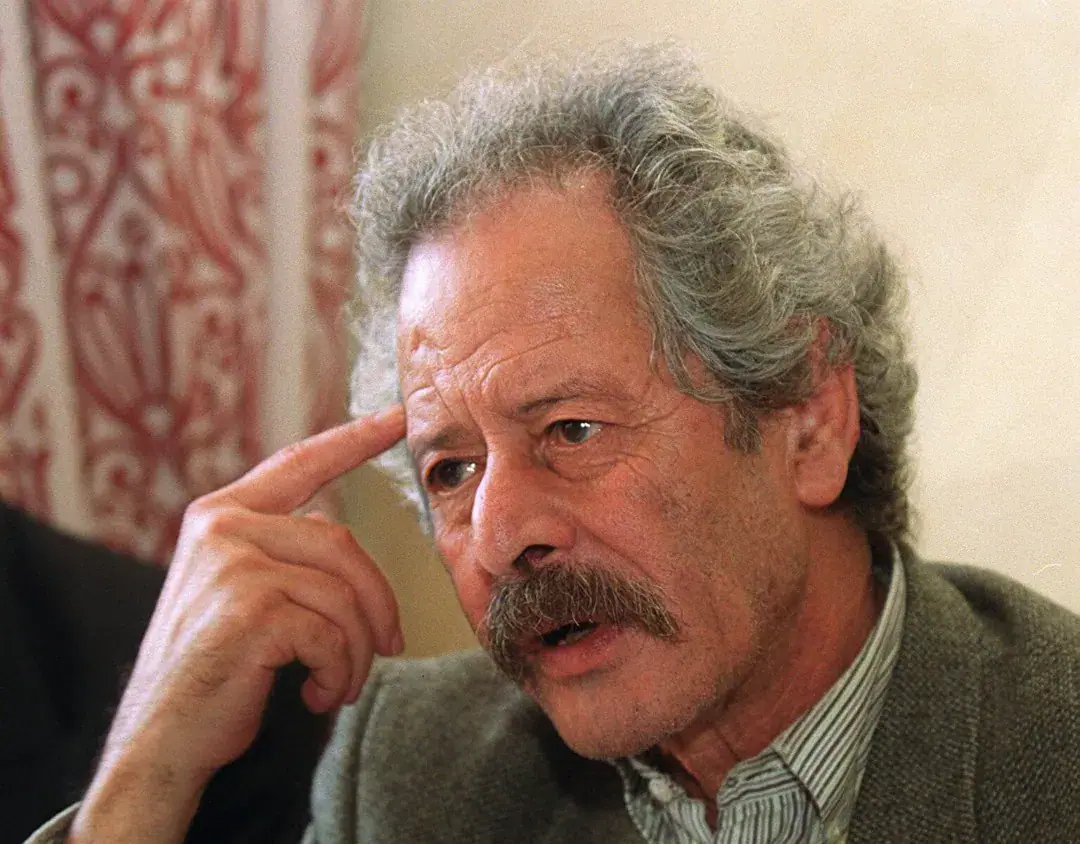
Today marks the 23rd anniversary of the passing of Moroccan author Mohamed Choukri, who left an indelible mark on human literature. Born on July 15, 1935, in the village of Beni Chekker in northern Morocco, Choukri's early life was marked by poverty, violence, and hardship. His experiences on the streets of Tangier would later become the foundation of his literary works. Despite the challenges he faced, Choukri's writing gave voice to the voiceless and shed light on the harsh realities of marginalized communities.
Choukri's journey to becoming a writer was not a conventional one. He only learned to read and write at the age of 20, a time when many people have already made significant progress in their educational pursuits. However, this late start did not deter him from creating a unique literary experience. His writing was not driven by a desire for creative expression or fame, but rather by a need to reclaim his life and dignity. His texts were raw and unflinching, confronting readers with the harsh realities of poverty, violence, and human suffering.
Choukri's most famous novel, "Al-Khubz al-Hafi" (The Bare Bread), is a testament to his literary prowess. Published in 1982, the book is a poignant account of his childhood, marked by hunger, homelessness, and despair. The novel sparked controversy and was banned in Morocco for several years due to its graphic content and social commentary. However, it went on to gain international recognition, translated into multiple languages and becoming a modern Arabic literary classic.
Choukri's writing style was characterized by its intensity and rawness, often using simple yet powerful language to convey the complexities of human experience. He had a unique ability to capture the smallest details of human life and transform marginalized characters into vibrant literary figures. His works were not limited to "The Bare Bread"; he has a rich literary portfolio, including "Zaman al-Khata' " and "Al-Shattar".
Beyond his literary contributions, Choukri's personal life was marked by struggles and vulnerabilities. His correspondence with Moroccan writer and critic Mohamed Berrada, compiled in the book "Ward wa Ramad" (Rose and Ash), reveals a more fragile and introspective side of his personality. The letters demonstrate the importance of human connection and solidarity in times of crisis.
Choukri's legacy extends beyond his literary works; he has inspired a generation of writers and readers to confront the harsh realities of social inequality and human suffering. His writing continues to resonate with audiences worldwide, offering a powerful testament to the human spirit's capacity for resilience and hope. As the literary world remembers Mohamed Choukri on the 23rd anniversary of his passing, his works remain a poignant reminder of the power of literature to transform and uplift.
In the words of Mohamed Berrada, "My heart is with you, and I hope you will triumph and return." This message of solidarity and support encapsulates the enduring spirit of friendship and creative expression that defined Choukri's life and work. As readers and writers continue to engage with his literature, Choukri's memory lives on, inspiring new generations to explore the complexities of human experience through the power of storytelling.
Key points
- Moroccan author Mohamed Choukri's literary works continue to resonate with audiences worldwide.