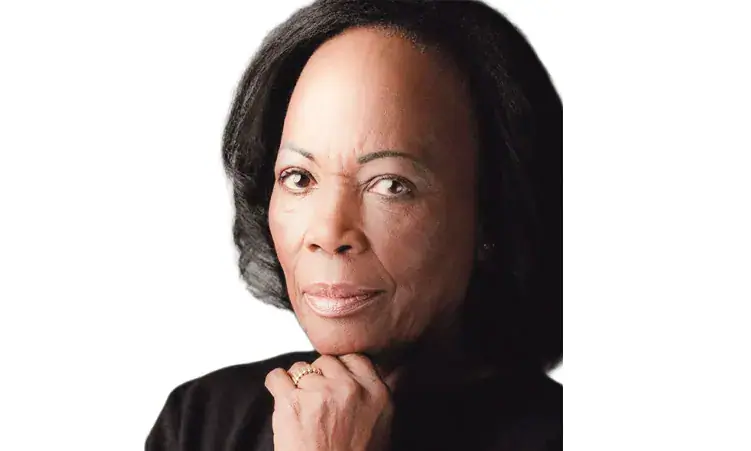
Former Namibian Deputy Prime Minister Libertina Amathila, who passed away at the age of 85, is being remembered for her groundbreaking work in driving Namibia's sanitation revolution. Amathila, the country's first woman medical doctor, was known for her unwavering dedication to improving the lives of Namibians, particularly those in marginalized communities. Her former colleagues and friends have shared fond memories of her selfless service and remarkable achievements. Amathila was part of the Tanganyika group and retired from politics 16 years ago.
Amathila's remarkable journey began on December 10, 1940, in Fransfontein, Kunene region, during the apartheid era. Her experiences witnessing her mother's treatment at a hospital sparked her interest in pursuing a career in healthcare. Amathila attended Wellington High School in Cape Town, South Africa, before joining the liberation struggle in exile in 1962. With the support of the South West African People's Organization (SWAPO), she received a scholarship to study medicine in Poland, graduating from the Warsaw Medical Academy in 1969.
Amathila's contributions to Namibia's liberation struggle and her work as a medical doctor are still celebrated today. During the struggle, she provided healthcare to Namibians living in SWAPO refugee camps, where access to basic necessities was limited. She also served as deputy secretary for health and welfare on SWAPO's central committee and as the director of the SWAPO Women's Council. In 1987, Amathila received the Ongulumbashe Medal for Bravery and Long Service for her dedication to the liberation struggle.
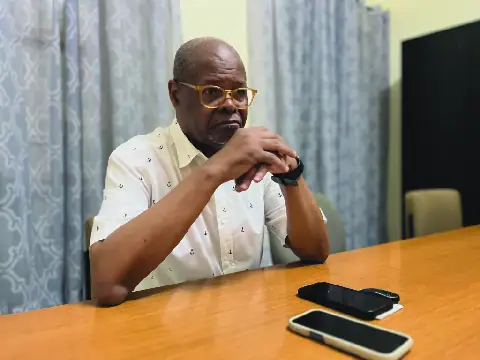
After Namibia gained independence in 1990, Amathila became the minister of regional and local government and housing, a position she held until 1996. During her tenure, she focused on addressing the country's sanitation challenges, particularly the use of bucket toilets. Amathila's efforts led to the elimination of these unsanitary facilities, improving living conditions for many Namibians. Her colleague, former Prime Minister Nahas Angula, praised her energy and imagination, recalling how she would often go out of her way to support communities with limited access to basic services.
Amathila's achievements in the healthcare sector were equally impressive. In 1996, she became the minister of health and social services, a position she held until 2005. During her tenure, she worked tirelessly to improve healthcare services and infrastructure in the country. Her contributions to the healthcare sector have had a lasting impact on the lives of Namibians. In 1991, Amathila received Namibia's Woman of the Year award and the Nansen Refugee Award for her outstanding work.
Amathila's legacy extends beyond her remarkable achievements in politics and healthcare. She was a strong advocate for women's empowerment and education. In 2012, she published her autobiography, 'Amathila: Making a Difference', which shares her experiences as a medical doctor, liberation struggle activist, and government leader. The book aims to inspire young Namibian women to pursue their ambitions and contribute to the country's development. Amathila also supported various initiatives, including the Otjomuru Combined School in the Kunene region.
In recognition of her outstanding contributions to Namibia, Otjomuru Combined School was renamed after Amathila in 2023. Her selfless service and dedication to improving the lives of Namibians have left a lasting legacy. As a testament to her remarkable life, Amathila's birthday, December 10, is now observed as Namibian Women's Day. Key points: Libertina Amathila was Namibia's first woman medical doctor and a trailblazing politician. She championed the elimination of bucket toilets and improved sanitation in the country. Amathila received numerous awards for her contributions to healthcare, education, and women's empowerment.