Jean-Marc Ela, a celebrated Cameroonian thinker, is being remembered on the 90th anniversary of his birth. Born on September 27, 1936, Ela was a prominent figure in African intellectual circles, known for his groundbreaking work on the sociology, anthropology, and philosophy of African societies. His legacy continues to inspire new generations of scholars and thinkers. Ela's work was widely acclaimed, and he was hailed as an "ancêtre fondamental" or fundamental ancestor, a term used in the Adja cultural area of southern Benin and Togo.
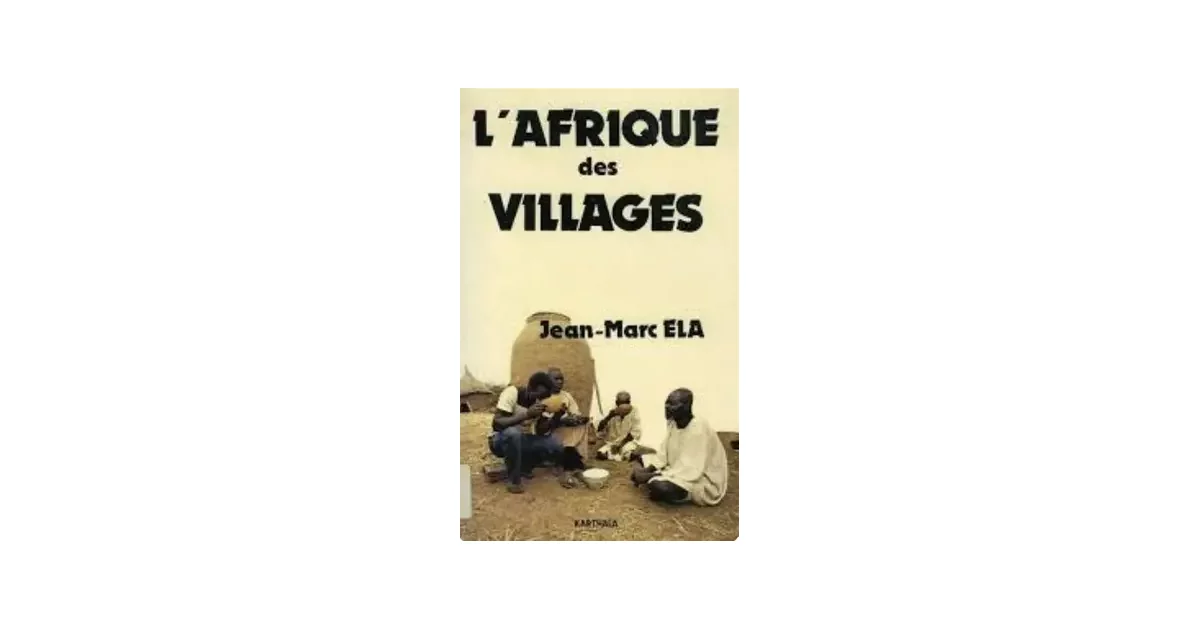
Ela's work focused on the realities of African societies, with a particular emphasis on the conditions of the most disadvantaged. He advocated for more attention to the plight of rural communities and the need for more equitable and just societies. One of his most notable works, "L'Afrique des villages," published in 1982, examined the challenges facing rural communities in Africa and the need for sustainable agricultural practices. The book was a seminal work that highlighted the struggles of African farmers and the need for policy changes to support their livelihoods.
Ela's work was not limited to academia; he was also a committed practitioner who lived among rural communities in northern Cameroon. He shared the daily struggles of the "Kirdis," a local community, and gained a deep understanding of their way of life. This experience informed his writing and advocacy, making him a powerful voice for social justice in Africa. Ela's commitment to social justice and human rights earned him recognition and respect across the continent.
Another notable work by Ela is "La ville en Afrique," published in 1983, which examined the challenges facing urban communities in Africa. The book highlighted the need for sustainable urban planning and the importance of balancing economic growth with social equity. Ela's work on urbanization and its impact on African societies remains relevant today, as many African cities continue to grapple with the challenges of rapid urbanization.
As the world grapples with the challenges of automation, artificial intelligence, and technological advancements, Ela's work remains relevant. He argued that other forms of intelligence, such as agricultural intelligence, must be valued and promoted to ensure a balanced and equitable society. Ela's ideas continue to inspire new generations of thinkers and policymakers who are seeking to create a more just and sustainable world.
The legacy of Jean-Marc Ela continues to inspire new generations of scholars, policymakers, and activists. His work has been widely acclaimed, and he has been recognized as a leading voice on social justice and human rights in Africa. As Africa and the world continue to navigate the complexities of globalization, Ela's ideas remain a powerful reminder of the need for social equity, justice, and sustainability.
The celebration of Ela's 90th birthday is a testament to his enduring legacy and the impact of his work on African intellectual circles. His ideas continue to inspire new generations of thinkers and policymakers who are seeking to create a more just and equitable society. As the world continues to grapple with the challenges of the 21st century, Ela's work remains a powerful reminder of the need for social justice, human rights, and sustainability.
Key points
- Jean-Marc Ela was a renowned sociologist, anthropologist, philosopher, and theologian who advocated for a more just and equitable society.
- Ela's work focused on the realities of African societies, with a particular emphasis on the conditions of the most disadvantaged.
- Ela's legacy continues to inspire new generations of scholars, policymakers, and activists who are seeking to create a more just and sustainable world.