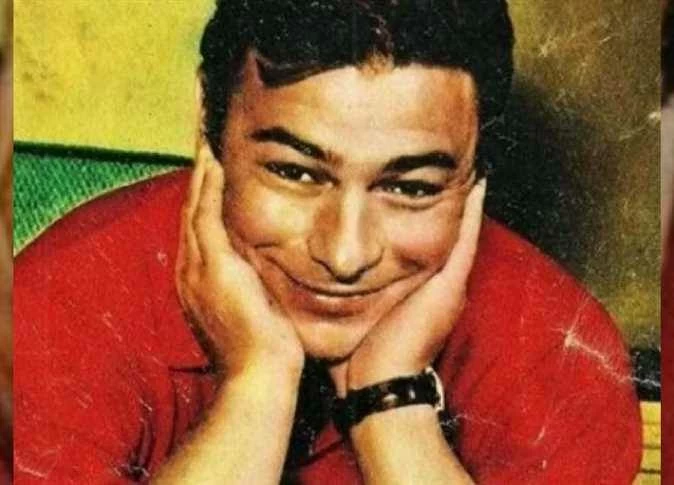
Today, September 28, marks the anniversary of the passing of Ahmed Ramzi, a legendary Egyptian actor and icon of Egyptian cinema. Ramzi, who passed away in 2012, left an indelible mark on the film industry with his charming on-screen presence and charismatic personality. Born on October 15, 1933, in Alexandria, Ramzi was the son of an Egyptian doctor and a Scottish mother. His early life was marked by a passion for sports and cinema, which would eventually lead him to pursue a career in the arts.
Ramzi's entry into the film industry was facilitated by his friendship with fellow actor Omar Sharif. The two met while attending Victoria College in Alexandria, and their friendship would last a lifetime. Ramzi's big break came in 1955 when he starred in the iconic film "Ayyamna al-Holwa" (Our Sweet Days), directed by Helmy Halim. This marked the beginning of a prolific career that would span over five decades and include more than 113 film and television credits.
Ramzi's impact on Egyptian cinema cannot be overstated. He revolutionized the concept of the "hero" or "leading man" with his casual, laid-back style, which included wearing open-necked shirts, white T-shirts, and jeans. This new look resonated with young audiences in the 1950s and 1960s, earning him the nickname "al-Walad al-Shaki" (The Naughty Boy) and "bad boy" of Egyptian cinema. His on-screen presence was characterized by his charm, wit, and athletic build, making him a heartthrob among Egyptian audiences.
Throughout his career, Ramzi appeared in a wide range of films, from romantic comedies to dramas. He worked with some of the most prominent directors and actors of his time, including Omar Sharif, who remained a close friend until his passing. In the mid-1970s, Ramzi decided to retire from acting, feeling that the changing landscape of Egyptian cinema was no longer aligned with his values. He went on to pursue a career in business, establishing a successful shipping company.
Ramzi's retirement from acting lasted for several years, during which he faced financial challenges due to his business ventures. However, he made a successful comeback in the 1990s, appearing in films such as "al-Warda al-Hamraa" (The Red Rose) and the television series "Wajh al-Qamar" (Face of the Moon) alongside Faten Hamama. His return to the screen was well-received by audiences and critics alike, cementing his status as a beloved and respected figure in Egyptian cinema.
In his later years, Ramzi lived a quiet life in his home in the North Coast town of El Sahl, away from the hustle and bustle of Cairo's film industry. On September 28, 2012, Ramzi passed away suddenly due to a severe brain hemorrhage, following a fall that led to a loss of balance. His funeral was held in accordance with his wishes, with a simple ceremony attended by close friends and family.
Ramzi's legacy continues to be celebrated by Egyptian audiences and film enthusiasts around the world. His contributions to Egyptian cinema have left a lasting impact, inspiring generations of actors and filmmakers. As a testament to his enduring popularity, Ramzi remains an iconic figure in Egyptian popular culture, remembered fondly for his charming on-screen presence, his innovative style, and his dedication to his craft.
Key points
- Ahmed Ramzi's impact on Egyptian cinema was marked by his charismatic on-screen presence and his role in revolutionizing the concept of the "hero" or "leading man."
- Ramzi's friendship with Omar Sharif played a significant role in his entry into the film industry and lasted a lifetime.
- Ramzi's legacy continues to be celebrated by Egyptian audiences and film enthusiasts around the world.