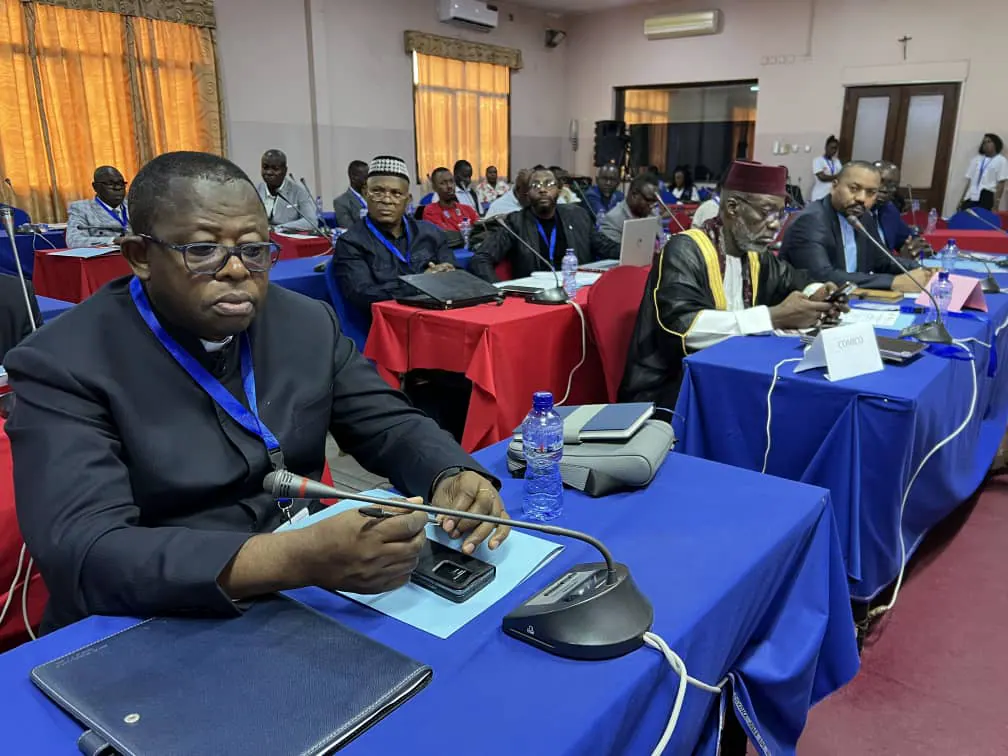
The call to action was made by Mgr Donatien Nshole, Secretary General of the National Episcopal Conference of Congo (CENCO), during a roundtable discussion held at the Caritas reception center on October 1, 2026. The meeting brought together leaders from various religious denominations to explore ways to enhance Ebola prevention and response. Mgr Nshole emphasized the need for religious leaders to put aside their differences and work together to protect the population.
The roundtable discussion was organized by CENCO through Caritas, with the aim of fostering collaboration among religious leaders in the fight against Ebola. Mgr Nshole noted that despite their differences in doctrine and practice, all individuals are created in the image and likeness of God, and that charity has no religious color. He stressed the importance of involving religious leaders in a response based on trust and solidarity.
According to Mgr Nshole, communities must be considered not only as beneficiaries of the response but also as full partners. He outlined four key objectives: preventing the Ebola virus disease, protecting populations, saving lives, and preserving the dignity of every person. This initiative comes as response actors intensify awareness and community engagement actions to limit the spread of the disease and build trust in preventive measures.
The Ebola outbreak in the Democratic Republic of Congo continues to pose a significant challenge, with 8,224 confirmed cases and 3,982 deaths reported to date. The fatality rate stands at 48.4%. The government and its partners are working to contain the outbreak, and the involvement of religious leaders is seen as crucial in this effort.
Mgr Nshole's call to action was echoed by the fact that the response to Ebola requires a collective effort. He emphasized that the role of communities is vital in the fight against the epidemic. By working together, it is hoped that the spread of the disease can be halted and the impact of the outbreak mitigated.
The involvement of religious leaders in Ebola response efforts is seen as a key strategy in building trust and promoting behavior change. By leveraging their influence and reach, religious leaders can help to disseminate critical information and promote practices that prevent the spread of the disease.
The roundtable discussion is part of a broader effort to enhance collaboration and coordination in the response to Ebola. As the situation continues to evolve, it is clear that a sustained and multi-faceted approach will be required to bring the outbreak under control. The role of religious leaders in this effort is seen as critical, and their engagement will be closely watched in the days and weeks ahead.
Key points
- Religious leaders in the DRC are being urged to strengthen their engagement in Ebola prevention and response efforts.
- The Ebola outbreak in the DRC has resulted in 8,224 confirmed cases and 3,982 deaths to date.
- The involvement of religious leaders is seen as crucial in building trust and promoting behavior change in the fight against Ebola.