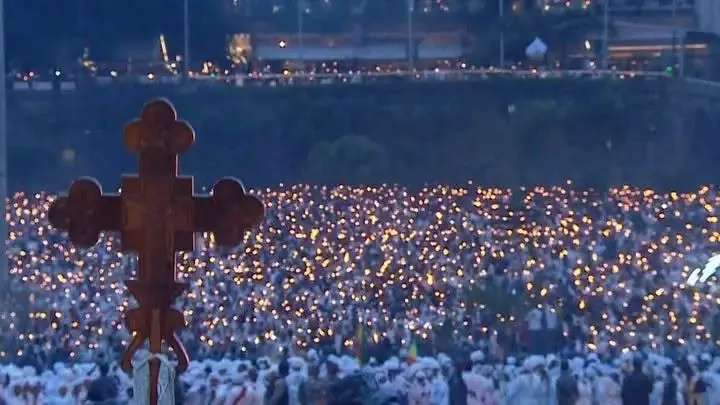
Ethiopia is a country with a rich cultural heritage, celebrating numerous religious and cultural festivals throughout the year. These festivals are unique in that they are often marked by a sense of togetherness and unity, bringing people together from different backgrounds and faiths. The country's diverse population celebrates a wide range of festivals, including Enkutatesh, Meskel, Irrecha, Eid al-Adha, and Moulid, among others.
These festivals are typically celebrated with great enthusiasm and fervor, with people gathering together to share traditional food, drinks, and music. The celebrations often involve traditional dances, songs, and games, which are an integral part of Ethiopian culture. The festivals are also marked by a strong sense of community, with people visiting family and friends, and exchanging gifts and well-wishes.
One of the distinctive features of Ethiopian festivals is the emphasis on sharing and caring for one another. During these celebrations, people often come together to help those in need, share meals, and engage in acts of kindness. This sense of solidarity and compassion is a hallmark of Ethiopian culture and is reflected in the way people come together to celebrate these special occasions.
The Ethiopian calendar is filled with numerous festivals and celebrations, each with its unique traditions and customs. For example, the festival of Meskel is celebrated with great fanfare, with people gathering to light bonfires and sing traditional songs. Similarly, the festival of Irrecha is marked by traditional dances and music, and is an important occasion for the country's Muslim community.
In addition to promoting unity and togetherness, Ethiopian festivals also play an important role in preserving the country's cultural heritage. These celebrations provide an opportunity for people to connect with their roots and traditions, and to pass them down to future generations. The festivals are also an important part of Ethiopia's tourism industry, attracting visitors from around the world who come to experience the country's vibrant culture.
Despite the challenges posed by modernization and urbanization, Ethiopian festivals continue to thrive, with people finding new ways to celebrate and connect with one another. The use of modern technology, such as social media and mobile phones, has also made it easier for people to stay connected and participate in festivals, even if they are unable to physically attend.
In conclusion, Ethiopia's religious and cultural festivals are an integral part of the country's identity and play a vital role in promoting unity, togetherness, and cultural heritage. These celebrations are a testament to the country's rich cultural diversity and its people's strong sense of community and solidarity. As the country continues to grow and develop, it is likely that its festivals will continue to evolve and thrive, remaining an essential part of Ethiopian culture and identity.
Key points
- Ethiopia's festivals promote unity and togetherness among its people.