A 20-year-old man from Wajir, Kenya, who was isolated due to symptoms similar to those of Ebola and a travel history from the Democratic Republic of Congo, has tested negative for the disease. Health Cabinet Secretary Aden Duale confirmed that the patient had malaria, according to a report from the National Public Health Virology Laboratory in Nairobi. The patient was started on antimalarial treatment.
The patient was isolated as a precautionary measure after he presented with symptoms and disclosed his travel history from the DRC through Uganda to Kenya. Wajir Governor Ahmed Abdullahi stated that health teams acted swiftly, collecting samples and referring them to the National Public Health Virology Laboratory for Ebola testing. The governor reassured the public that the County Department of Health and the Ministry of Health would continue to monitor the patient and provide medical care.
Governor Abdullahi also urged residents, particularly those from Habaswein Sub-County in Wajir, to avoid spreading unverified information. The Ministry of Health had reported a confirmed Ebola case on Monday, and 66 patients who were contacts of the case were being held in isolation at the National Police Service Isolation Centre. Cabinet Secretary Aden Duale mentioned that the centre had security measures in place to prevent patients from escaping.
Duale highlighted the importance of early treatment, citing a 48 per cent survival rate for Ebola patients who seek medical care promptly. He also noted that the situation in the DRC was dire, with people burning hospitals due to misconceptions about Ebola. The Kenyan government has been taking measures to prevent the spread of the disease, including training health workers and screening travellers.
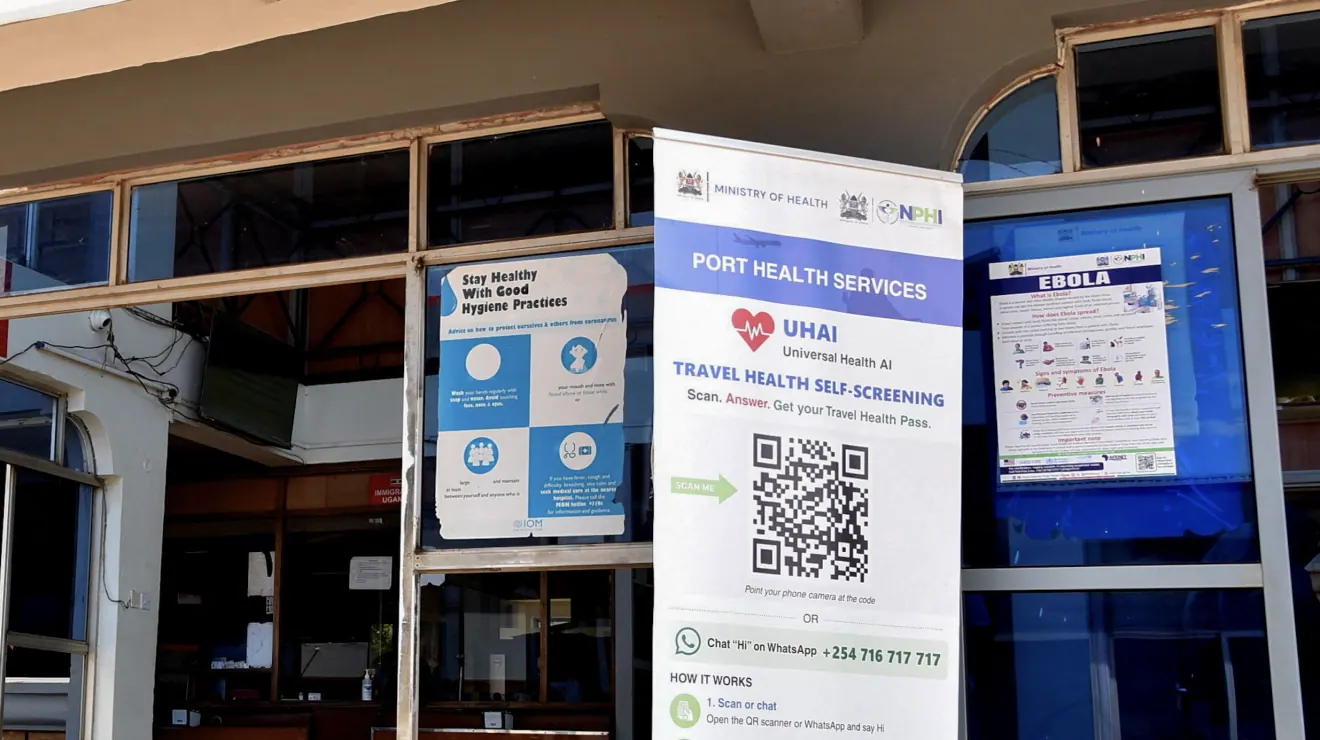
Kenya has trained 4,971 health workers and screened over 652,000 travellers at 15 points of entry. Surveillance teams have investigated 263 alerts from 17 counties, and five laboratories, including mobile units, are testing samples with a turnaround time of six to 12 hours. More than 268 samples have been tested, with one returning a positive result.
The government has designated isolation, treatment, and quarantine facilities at several hospitals, including Kenyatta National Hospital and Moi Teaching and Referral Hospital, with a total of 241 beds available. Additional facilities are being prepared in Busia County and other priority areas. The World Health Organisation has supplied 1,000 sets of personal protective equipment, and the Government of India has donated 6,000 sets.
The Kenyan government has also mobilised its own supplies, while the US government, IGAD, and Africa CDC are providing assistance. Efforts are ongoing to trace more people, especially those who were on the same flight as a deceased Ebola patient. The government is working to contain the spread of the disease and provide adequate medical care to those affected.
Key points
- A 20-year-old man from Wajir, Kenya, tested negative for Ebola and was diagnosed with malaria.
- Kenya has trained 4,971 health workers and screened over 652,000 travellers at 15 points of entry.
- The government has designated isolation, treatment, and quarantine facilities at several hospitals with a total of 241 beds available.