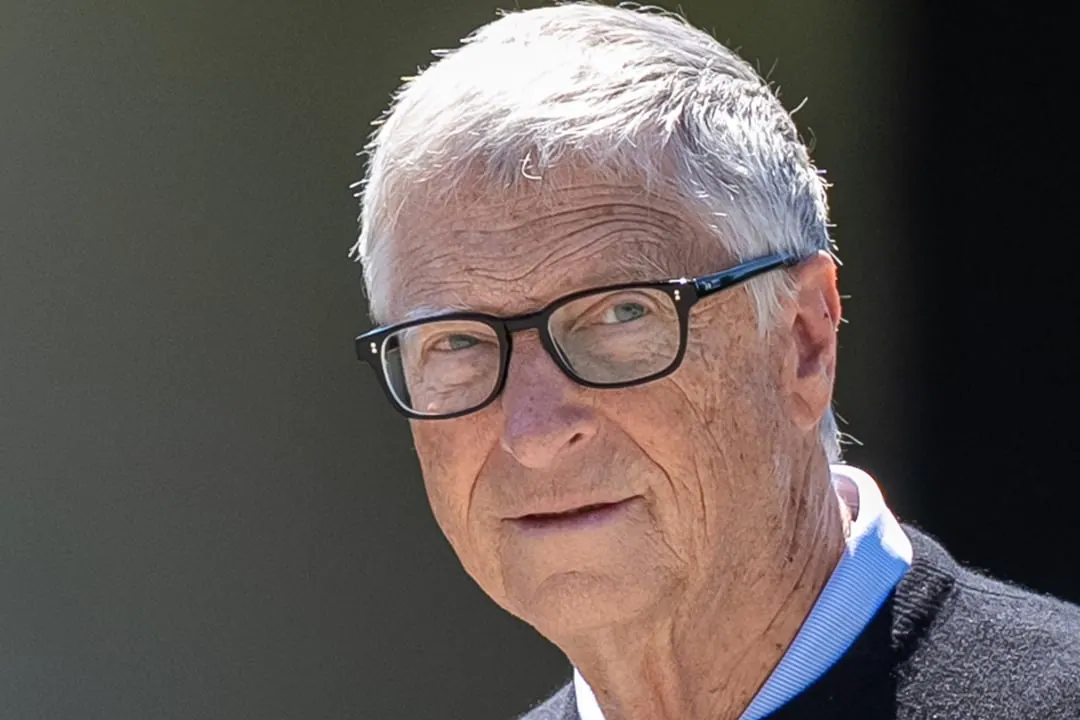
The rapid growth of artificial intelligence (AI) has sparked concerns about its potential risks and consequences. Recently, billionaire philanthropist Bill Gates warned about the dangers of unregulated AI. According to Gates, the development of AI without proper regulation could have severe consequences. His comments have reignited the debate about the need for global regulation of AI. As AI technology continues to advance, many experts believe that regulation is necessary to prevent potential harm.
A recent survey conducted by Netwerk24 found that many people are concerned about the increasing use of AI in communication. The survey asked respondents if they thought messages they received were written by AI, and if it bothered them. The results showed that 29% of respondents noticed AI-generated messages and were bothered by it, while 23% wondered if messages they received were written by AI. On the other hand, 31% of respondents said they used AI to communicate better and did not mind.
The use of AI is becoming increasingly prevalent in various industries, including education and healthcare. In South Africa, there is a growing emphasis on promoting STEM education, which includes AI and robotics. The country's future in AI and other emerging technologies depends on the development of skills among young people. Initiatives to promote STEM education aim to equip the next generation with the skills needed to navigate an increasingly automated world.
The regulation of AI is a complex issue that requires a global response. As AI technology continues to evolve, it is essential to develop regulations that balance innovation with safety and security. Experts believe that regulation should focus on ensuring transparency, accountability, and responsibility in AI development and deployment. This can be achieved through international cooperation and agreements on AI regulation.
In South Africa, there are growing concerns about the impact of AI on the job market and society. As AI technology advances, many jobs may become automated, leading to significant changes in the workforce. There are also concerns about bias and discrimination in AI decision-making. To address these concerns, experts recommend that AI developers and deployers prioritize transparency, accountability, and fairness.
The development of AI has the potential to bring significant benefits, including improved efficiency and productivity. However, it also raises important questions about responsibility and accountability. As AI technology continues to evolve, it is essential to prioritize regulation and ensure that its development and deployment align with human values. This requires a collaborative effort from governments, industry leaders, and civil society.
The global conversation about AI regulation is ongoing, with many countries and organizations calling for more stringent regulations. As the use of AI becomes more widespread, it is essential to prioritize transparency, accountability, and responsibility. The development of AI has the potential to bring significant benefits, but it also requires careful consideration of its potential risks and consequences.
Key points
- Bill Gates warns of dangers of unregulated artificial intelligence
- Regulation of AI requires global cooperation and agreements
- AI development and deployment must prioritize transparency, accountability, and responsibility