A regional workshop on hydrodiplomacy in West Africa and the Sahel began on November 16, 2026, in Dakar, Senegal. The event was initiated jointly by Senegal and the United Nations Office for West Africa and the Sahel (UNOWAS). The workshop aims to enhance cooperation on transboundary water resources and prevent tensions or conflicts related to their sharing and management. Representatives from governments, regional institutions, river basin management organizations, and international technical and financial partners are in attendance.
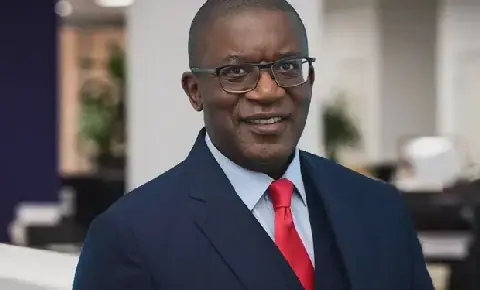
The workshop is being presided over by Senegalese Minister of Hydraulics and Sanitation, Cheikh Tidiane Dièye. In his opening address, Minister Dièye urged regional actors to move beyond rivalries over natural resources, advocating for transboundary basins to be seen as spaces of interdependence, solidarity, and shared prosperity. He emphasized the importance of cooperation in managing shared water resources, citing the examples of the Senegal River Development Organization (OMVS) and the Gambia River Development Organization (OMVG).
The OMVS, of which Mauritania is a founding member, and the OMVG demonstrate the effectiveness of interstate dialogue and common institutions in the sustainable management of shared resources. These organizations have successfully promoted cooperation and coordination among member states, ensuring the optimal use of water resources. The workshop seeks to build on such successes and promote a regional vision for hydrodiplomacy.
The workshop brings together a diverse range of stakeholders, including government representatives, regional institutions, and international partners. The event provides a platform for participants to share experiences, expertise, and best practices in managing transboundary water resources. The goal is to develop a unified position for West Africa and the Sahel in preparation for the 2026 United Nations Water Conference, co-organized by Senegal and the United Arab Emirates.
The conference will focus on key issues related to water security, sustainable development, and territorial stability. Participants will discuss ways to address the challenges posed by climate change, population growth, and competing demands for water resources. The workshop aims to identify common solutions and strategies for managing transboundary water resources in a sustainable and equitable manner.
At the end of the workshop, participants aim to develop a common regional vision on hydrodiplomacy, strengthen institutional mechanisms for consultation, and prepare a unified position for the 2026 UN Water Conference. The event is expected to contribute to enhanced cooperation and coordination among regional actors, ultimately promoting peace, stability, and sustainable development in West Africa and the Sahel.
The workshop is a significant step towards promoting hydrodiplomacy in the region, and its outcomes are expected to have a positive impact on the management of transboundary water resources. By fostering cooperation and dialogue, the event aims to ensure that water resources are managed in a way that promotes peace, stability, and sustainable development.
Key points
- The workshop aims to develop a unified position for West Africa and the Sahel in preparation for the 2026 United Nations Water Conference.
Reporting sources
- Dakar : ouverture d’un atelier régional sur l’hydrodiplomatie en Afrique de l’Ouest et au Sahel · Le Quotidien de Nouakchott