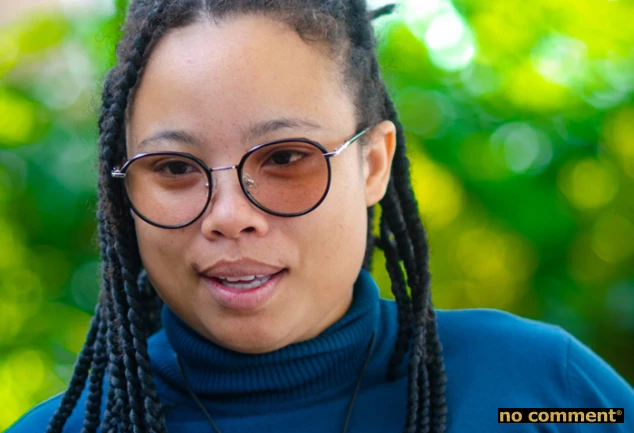
The National Assembly of Madagascar recently rejected a bill on therapeutic abortion, which would have allowed women to terminate pregnancies in cases where their health or life was at risk. The bill, initiated by the Women Break the Silence movement, was refused on the grounds that it did not align with Malagasy values. According to Marie Christina Kolo, leader of the movement, the government's arguments for refusal were unfounded and based on a lack of understanding of the issue.
The bill, which was submitted to the Parliament in 2021, had been delayed several times, with the government citing a lack of statistics to justify the need for such a law. However, a national survey conducted by the Nifin'Akanga movement, which advocates for the decriminalization of abortion, had presented findings and testimonies on the issue. The survey revealed that 75,000 abortions are performed annually in Madagascar, with 16% of complications leading to maternal death.
The refusal of the bill has been met with criticism from women's rights groups, who argue that it perpetuates a culture of violence against women. According to Kolo, the refusal of therapeutic abortion is a form of institutional violence, which forces women to carry a pregnancy resulting from rape or incest. The movement has been working with victims of sexual aggression and harassment, and has found that many women are shamed and condemned for seeking help.
The issue has also sparked controversy among religious groups, with some arguing that the legalization of therapeutic abortion would be a concession to Western values. However, Kolo emphasizes that the movement is not opposed to religious convictions, but rather seeks to promote dialogue and understanding. She notes that there are believers who support the bill and that the movement has representatives from various faiths.
The Women Break the Silence movement has been working to raise awareness about the issue, with a recent manifestation in front of the National Assembly. Kolo believes that the refusal of the bill is a setback for women's rights, but vows to continue fighting for the cause. She notes that the movement will return with greater force and support in the future, with the goal of having the bill passed by September.
The medical community has also weighed in on the issue, with the Order of Psychologists and the Order of Doctors expressing support for the bill. According to Kolo, the Association of Paramedics in Madagascar also supports the movement, as they see the impact of unsafe abortions on women's health. She emphasizes that the movement is not advocating for voluntary abortion, but rather for therapeutic abortion in cases where a woman's life or health is at risk.
The rejection of the bill has significant implications for women's health in Madagascar. According to the Nifin'Akanga survey, 31% of abortions are performed by unqualified individuals, and 52% are carried out at home or in unregulated settings. The survey also found that 88% of women do not use contraceptives, and that the main reasons for abortion are early pregnancy, rape or incest, and unwanted pregnancy.
Key points
- The refusal of the therapeutic abortion bill in Madagascar has sparked controversy among women's rights groups, who argue that it perpetuates a culture of violence against women.
- The bill's rejection has significant implications for women's health in Madagascar, where 75,000 abortions are performed annually, and 16% of complications lead to maternal death.
- The Women Break the Silence movement vows to continue fighting for the cause, with the goal of having the bill passed by September.