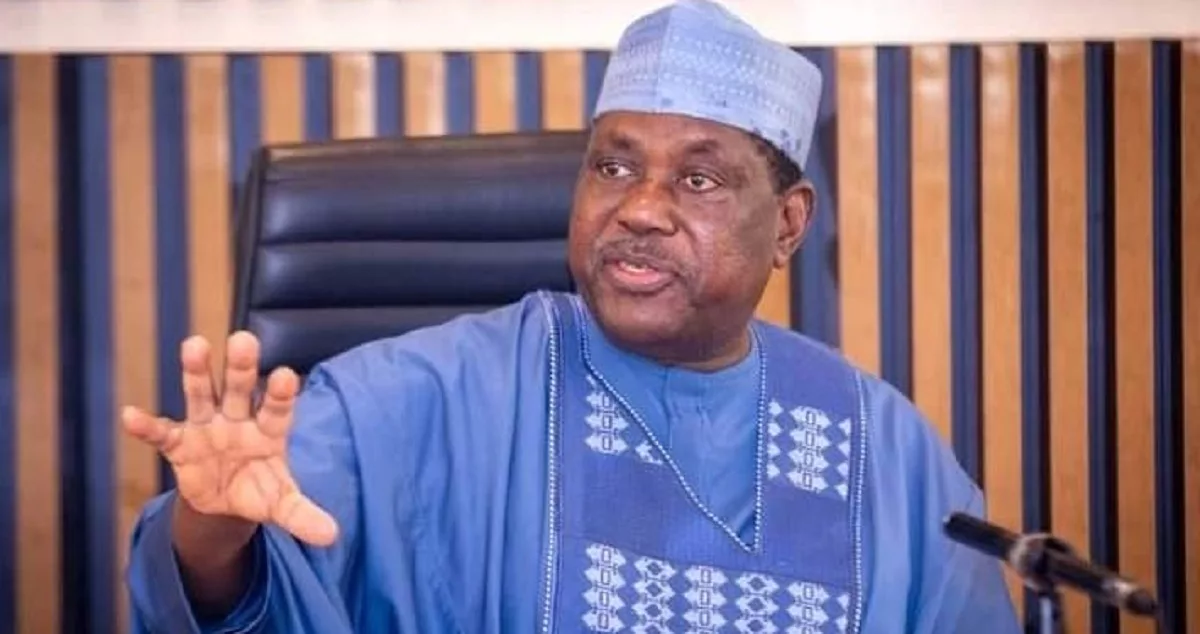
The Federal Government of Nigeria has reaffirmed its commitment to ensuring that the economic reforms implemented under President Bola Ahmed Tinubu's administration yield tangible benefits for its citizens. According to Secretary to the Government of the Federation, Senator George Akume, the government's primary objective is to translate the gains from these reforms into improved living conditions and greater opportunities for Nigerians. This statement was made during a World Press Conference in Abuja, marking the beginning of activities celebrating Nigeria's 66th Independence Anniversary.
The theme of this year's anniversary, "From Reforms to Stability: Consolidating Nigeria’s Renewed Hope for Shared Prosperity," reflects a shift in focus from economic restructuring to delivering concrete benefits to citizens. Akume, who chairs the Inter-Ministerial Committee for the Independence Day Anniversary, emphasized that the administration's reforms, including the removal of fuel subsidies and the unification of foreign exchange windows, aim to restore fiscal balance, strengthen the economy, and lay the groundwork for sustainable growth.
To achieve these goals, the Federal Government is reportedly mobilizing additional revenue, enhancing public finances, and attracting investment, with a focus on critical sectors such as infrastructure, agriculture, education, healthcare, and social protection. Akume highlighted the importance of investments in infrastructure, including roads, railways, airports, seaports, electricity, and digital connectivity, as crucial to reducing business costs, connecting farmers to markets, and supporting private-sector growth.
In addition to economic growth, the government has also underscored the need to protect vulnerable Nigerians. Akume stated that the guiding principle behind the reforms is to ensure that those already struggling are not left behind. This includes prioritizing the needs of the poor and ensuring that they are not forgotten in the process of economic reform.
Minister of Information and National Orientation, Mohammed Idris, provided an update on Nigeria's economic performance, citing a growth in the country's real Gross Domestic Product (GDP) to 4.43 per cent in the second quarter of 2026, up from 4.23 per cent in the same period of 2025. He also pointed to improvements in foreign reserves and domestic refining capacity, as well as Nigeria's recent delisting from the Financial Action Task Force Grey List.
Idris acknowledged that the decisions taken by the government were difficult and had imposed real costs on Nigerians. However, he expressed optimism that the country is now transitioning from a phase of reform and stabilization towards one of growth, production, and shared prosperity. This sentiment was echoed by Minister of Budget and Economic Planning, Abubakar Atiku Bagudu, who noted that the reforms required deliberate policy choices to build a larger and more inclusive economy.
The anniversary celebrations will feature various activities, including a Juma’at service, a church service on September 27, a public lecture on September 30, and President Tinubu’s nationwide broadcast on October 1, 2026. As the country marks this significant milestone, the government's commitment to ensuring that economic reforms translate into better living conditions for its citizens remains a key priority.
Key points
- The Nigerian government aims to translate economic reforms into improved living conditions and greater opportunities for its citizens.