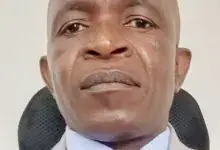
A recent visit to Tripoli has left a Libyan journalist with more questions than answers about the country's trajectory. The trip was a catalyst for reflection on the country's past, present, and future, as well as the broader Arab world's experiences with revolution, war, and social upheaval. The journalist's thoughts were influenced by his previous visits to Cairo and other Arab cities that witnessed significant changes during the Arab Spring.
The journalist's visit to Tripoli was a poignant reminder of the complexities of Libyan history, which spans over 14 centuries of transformation, conflict, and cultural achievements. He noted that this rich history cannot be reduced to a simplistic narrative of continuous progress or decline. Instead, it is essential to acknowledge the nuances and diversities of Libyan experiences, including the country's periods of prosperity and turmoil.
One of the journalist's primary concerns is the tendency to mythologize the past, often at the expense of critically examining the present. He argues that selectively highlighting Libya's glorious moments while downplaying its painful episodes does not serve the country's interests. By confronting its complex history and learning from past mistakes, Libya can work towards a more informed and nuanced understanding of its current challenges.
The journalist also expressed concern about the disconnect between rhetoric and reality in Libya. He noted that the country's leaders often invoke lofty ideals, such as dignity, freedom, and national renewal, but fail to translate these words into tangible actions. This gap between discourse and practice has contributed to widespread disillusionment and frustration among Libyans.
In the journalist's view, Libya's problems are not solely the result of external factors, such as colonialism or foreign interference. Rather, he believes that internal dynamics, including authoritarianism, corruption, and social exclusion, have played a significant role in shaping the country's trajectory. To move forward, Libya must acknowledge and address these internal challenges.
The journalist's reflections on Libya's past and present are also informed by his broader concerns about the Arab world's trajectory. He notes that many Arab countries have struggled to translate their aspirations for freedom, dignity, and social justice into concrete realities. To overcome these challenges, the Arab world must develop a more nuanced understanding of its history and a more critical approach to its current circumstances.
Ultimately, the journalist's essay is a call to action, urging Libyans and Arabs to engage in a more honest and introspective conversation about their past, present, and future. By confronting their complexities and contradictions, he argues, they can work towards a more informed, nuanced, and hopeful understanding of their place in the world.
Key points
- The journalist's visit to Tripoli sparked reflection on Libya's complex history and its implications for the country's future.
- The journalist is concerned about the disconnect between rhetoric and reality in Libya, where lofty ideals are often not translated into tangible actions.
- The journalist believes that Libya's problems are not solely the result of external factors, but also internal dynamics, including authoritarianism, corruption, and social exclusion.