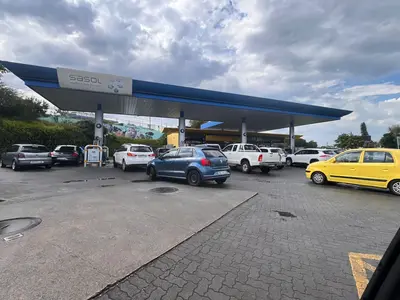
A sharp fuel price increase has taken effect in the Eastern Cape, piling pressure on consumers already struggling with the rising cost of living. The price of 95-octane petrol has risen by R3.33 a litre, while 93-octane petrol increased by R3.12 and low-sulphur diesel by R3.24. This means petrol will, for the first time, cost about R30 a litre. The increase is expected to have a significant impact on transport and business costs, particularly for lower-income households.
The fuel price increase will affect various sectors, including the public transport industry. Eastern Cape Santaco spokesperson Mxhosa Sobazile said the increase would place further strain on already struggling taxi operators. With fuel prices increasing three times this year and public transport fares increasing only once, in June, taxi operators are finding it difficult to keep up. Sobazile said operators could not simply increase fares every time fuel prices rose, as they had to consider the impact on passengers.
The impact of the fuel increase is expected to extend beyond transport, with food prices likely to be affected. The Pietermaritzburg Economic Justice & Dignity Group's September 2026 household food basket survey ranked Mthatha third among the seven areas monitored, with a basket cost of R5,536.16. Mervyn Abrahams, speaking on behalf of the group, said the fuel increase could put further pressure on food prices because diesel was used throughout the food supply chain.
Lower-income households are particularly vulnerable to the fuel price increase, as they spend a larger proportion of their income on food. Abrahams said that if the high fuel prices persisted for more than two months, the government would have to intervene. He suggested that the government consider removing the fuel levy to alleviate pressure on households.
Business owners in the Eastern Cape are also feeling the strain of the fuel price increase. Checkers Sixty60 driver Jairos James said the increase would eat further into his daily income, which was already affected by the rising fuel costs. Grass-cutting business owner Ndimphiwe Soka said the increase would affect both his personal transport costs and the cost of running his business.
The Eastern Cape Chamber of Business and other stakeholders have expressed concern about the impact of the fuel price increase on households and businesses. Eastern Cape Chamber of business secretary-general Dr Andile Nontso said households were already struggling with high food prices, and the fuel price increase would make it even harder for them to make ends meet.
The fuel price increase has highlighted the need for the Eastern Cape to reduce its dependence on food produced elsewhere. Eastern Cape Black Business Forum president Luthando Bara said the province needed to strengthen local agriculture, agro-processing, logistics, and township and rural distribution networks to create jobs and keep more money circulating within the provincial economy.
Key points
- The fuel price increase is expected to have a significant impact on lower-income households.
- The increase could put further pressure on food prices.
- The Eastern Cape needs to reduce its dependence on food produced elsewhere.