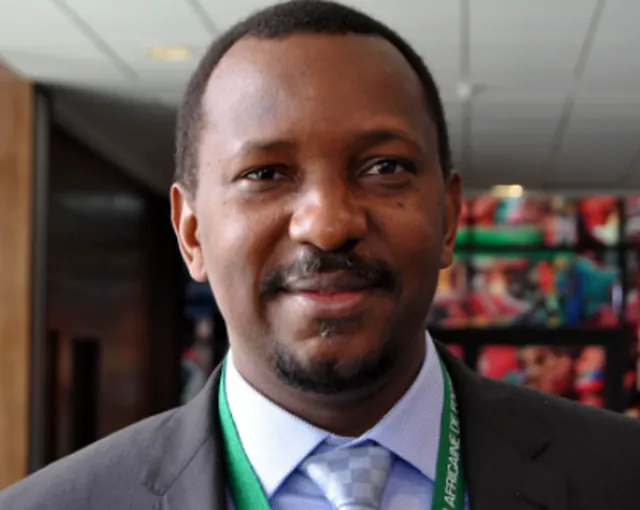
Nigerian football has long been plagued by various challenges, including poor infrastructure, inadequate player welfare, and corruption. According to Shehu Adamu Dikko, a key figure in Nigerian football, rebuilding the sport requires a comprehensive approach that addresses these issues. Dikko's suggestions aim to improve the standard of football in Nigeria, making it competitive globally. He emphasizes the need for a well-structured and sustainable system that prioritizes player welfare and development.
One of the major challenges facing Nigerian football is the current system, which Dikko describes as escapist and unsustainable. The system, he argues, would require the Nigerian Football Federation (NFF) to pay hundreds or thousands of players, leading to corruption and stagnation. Furthermore, selecting a few players for the national team would shut out other talented players, ultimately killing the game. Dikko cites the current state of junior teams and the Super Eagles as examples of the system's shortcomings.
To improve the local league, Dikko proposes that the NFF sets a minimum standard for teams to participate. This includes having standard playing grounds, training pitches, facilities, equipment, and kits, as well as adequate player welfare. Teams would need to meet these requirements to participate in the league. Dikko draws inspiration from European leagues, suggesting that Nigerian teams should be fashioned after them. This, he believes, would enhance the overall standard of football in Nigeria.
Dikko also recommends abolishing the practice of signing players on yearly contracts with signing-on fees. This practice, he argues, encourages players to change clubs every year, hindering continuity and development. Instead, players should sign long-term contracts to ensure stability and continuity. Additionally, clubs should have a minimum of 18 and a maximum of 22 professional players, with youth academies and decent programs to train young players.
Player welfare is another critical aspect of Dikko's proposals. He suggests enforcing a minimum salary of ₦500,000 to ₦700,000 for first-team players, while reserves and youth team players should receive allowances of at least ₦100,000 per month. Dikko also recommends that only players above 20 years old be given clearance to play abroad, with foreign clubs required to allow them to continue playing in Nigeria until they reach 20. Furthermore, a clause should be included in player contracts to ensure that a percentage of transfer fees is paid to the club that nurtured and trained the player.
Dikko's proposals also focus on improving refereeing standards and coach development. He suggests that the NFF, in conjunction with the Referees Association, should work to improve and maintain refereeing standards. This includes enforcing standards for referee personnel and training. Additionally, Dikko recommends that local coaches be sent on refresher courses and attachments to top European clubs to improve their knowledge and management skills.
Finally, Dikko emphasizes the need for a pension fund for professional players, which would provide financial security after their careers. He suggests that a certain percentage of players' monthly income be paid into the fund, which would be managed by an independent organization. This would enable players to feel secure about their future and focus on giving their best on the field. With these reforms, Dikko believes that Nigerian football can be rebuilt and made competitive globally.
Key points
- Shehu Adamu Dikko proposes reforms to improve Nigerian football, including better player welfare and infrastructure.
- Dikko suggests enforcing minimum standards for teams to participate in the league.
- He recommends improving refereeing standards and coach development to enhance the overall standard of football in Nigeria.