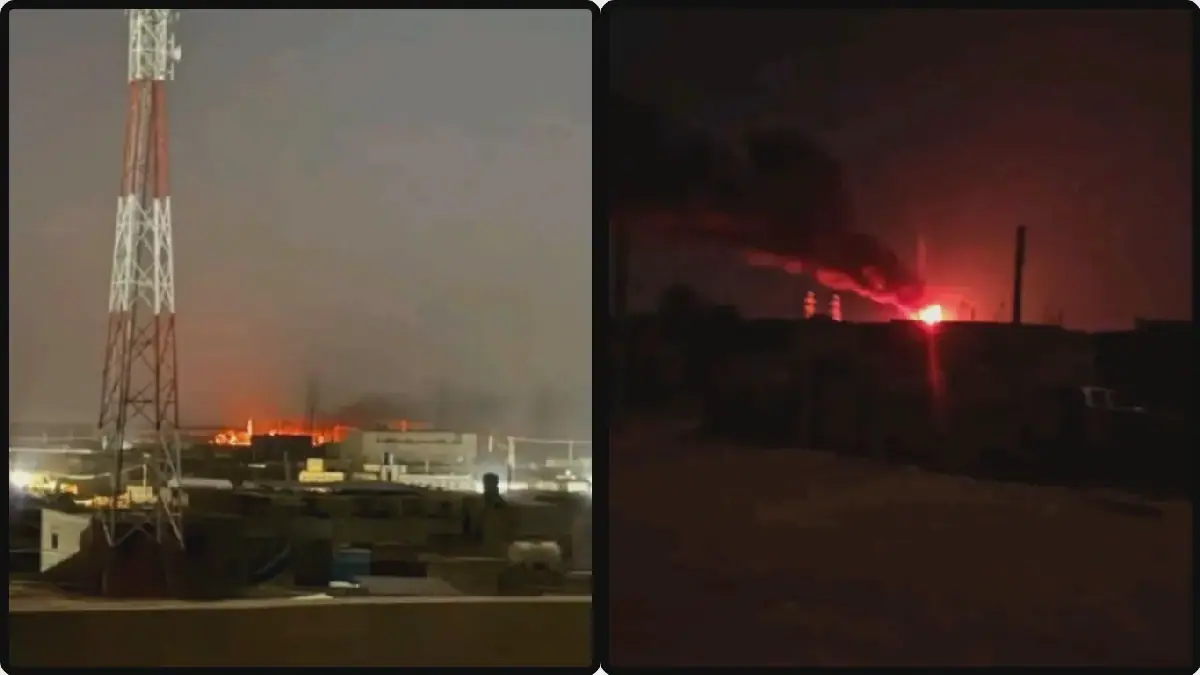
In a recent escalation of attacks on Sudan's infrastructure, two power stations have been struck by drones belonging to the Rapid Support Forces (RSF) militia. The targeted stations, Abu Hamad and Al-Daba, are located in the Nile River and Northern states, respectively. The assault, which occurred early on Sunday, resulted in both stations being taken out of service. This development has raised concerns about the impact on electricity supplies and related services.
According to local and media reports, the RSF's drone attacks on the power stations have caused significant disruptions. The Abu Hamad and Al-Daba stations play crucial roles in the region's power distribution network. With both stations offline, efforts are underway to assess the damage and plan for repairs. The frequency of such attacks on power infrastructure has sparked fears about the long-term stability of Sudan's electricity supply.
This latest incident is part of a broader pattern of aggression against Sudan's infrastructure. Power stations have been repeatedly targeted in recent weeks, reflecting a strategy aimed at crippling the country's basic services. The Sudanese government and its people are increasingly concerned about the humanitarian implications of these attacks, as essential services like healthcare and water supply are heavily reliant on a stable power grid.
The RSF's actions have been widely condemned, with many calling for an immediate cessation of hostilities and a return to negotiations. The militia's use of drones against civilian infrastructure raises serious questions about its tactics and the protection of non-combatants. As the situation continues to unfold, international observers are watching closely for signs of escalation or de-escalation.
The impact of these attacks extends beyond the immediate disruption of power supplies. Economic activities, healthcare services, and daily life are all affected by the instability in the region. With Sudan already facing numerous challenges, the ongoing attacks on its infrastructure threaten to exacerbate existing problems. Efforts to mediate a peaceful resolution to the conflict are ongoing, but a lasting solution remains elusive.
In response to the attacks, local authorities and emergency services are working to mitigate the effects on the population. Alternative power sources and contingency plans are being implemented to support critical services. However, the sustainability of these measures is uncertain, given the scale and frequency of the attacks. The situation demands a comprehensive and lasting solution to protect Sudan's infrastructure and its people.
As Sudan navigates this turbulent period, the international community is urged to support efforts toward peace and stability. The protection of civilian infrastructure and the prevention of further humanitarian crises are paramount. With the conflict showing no signs of abating, a concerted effort is required to address the root causes of the violence and ensure a return to peace and normalcy.
Key points
- Two power stations in Sudan's Nile River and Northern states were struck by RSF drones.
- The attacks have raised concerns about the stability of Sudan's electricity supply and its impact on essential services.
- The incidents are part of a broader pattern of aggression against Sudan's infrastructure, sparking fears of long-term humanitarian consequences.