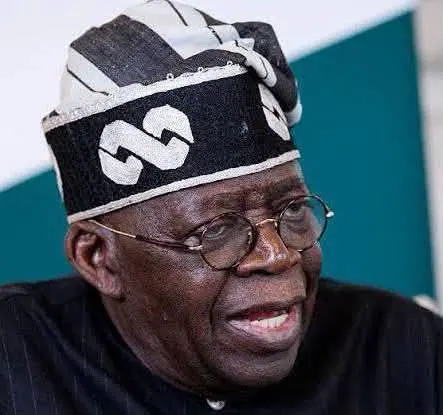
On October 8, 2026, President Tinubu delivered his Independence Day speech, which some sections of the public claim offered nothing in terms of easing their hardship or providing relief. However, according to Olabode Opeseitan, this argument ignores the precarious state of Nigeria when the current administration took office. The country was on the brink of a full-scale fiscal breakdown, with net usable foreign reserves at $859 million and a surging public debt.
The previous administration's financing model, which involved printing trillions without productivity, and the petrol subsidy and multiple exchange rate windows, were draining the Treasury and rewarding arbitrage. Most Nigerians were unaware of how close the country was to collapse. Rescuing the economy was never going to be painless, and no nation escapes such traps without reforms that bite. Nigerians have endured these reforms with courage, despite the real hardship and legitimate pain.
The results of the reforms are now visible, with gross foreign reserves rebounding to $55 billion, the highest in 18 years. Headline inflation has slowed to 15.39% from a peak of 34.8%, and non-oil export revenue has crossed $6 billion, compared to an average of $2.5 billion per year from 1999 to 2022. In the first half of 2026, Nigeria recorded ₦6.92 trillion ($5.06 billion) in non-oil exports, putting the country on track to cross the $10 billion mark.
The turnaround in crude oil security is equally striking, with losses due to theft and vandalism dropping from 97% to 2%. Under new security and regulatory measures, companies like Tony Elumelu's have recovered and accounted for 98% of their production. This is not cosmetic improvement, but structural repair. The speech marked a pivot from stabilisation to shared prosperity, with initiatives like CNG bus corridors producing fare reductions of between 40% and 50% on verified routes.
The government has also invested in mechanised irrigation, dry-season farming, and fertiliser distribution to stabilise food prices. New ports, rail lines, and highway corridors will link farms to factories and reduce costs over time. These are practical interventions, not rhetorical flourishes. However, the real challenge is the timeline lag, with macro stability arriving before household relief. Citizens feel the pain before they feel the progress.
That is why some believe the speech offered nothing, but a speech that chronicles how Nigeria moved from collapse to stability is not empty. It is evidence of a nation that refused to fall apart. The government must now reward the people who bore the sacrifice that produced today's stability. Nigerians have paid the price and deserve the dividends. The reforms were necessary, and the relief must be tangible.
Ultimately, the speech is a matter of perspective, with the hopeful seeing a country stabilising and preparing for growth, while the hopeless see only the pain. However, only one perspective leads to progress. As the nation moves forward, it is essential to acknowledge the work that pulled Nigeria back from the brink and to build on the progress made so far.
Key points
- President Tinubu's Independence Day speech highlighted the progress made in Nigeria's economy, including a rebound in gross foreign reserves and a slowdown in headline inflation.
- The speech marked a pivot from stabilisation to shared prosperity, with initiatives like CNG bus corridors and investments in mechanised irrigation.
- The government must now reward the people who bore the sacrifice that produced today's stability, with tangible relief and dividends.