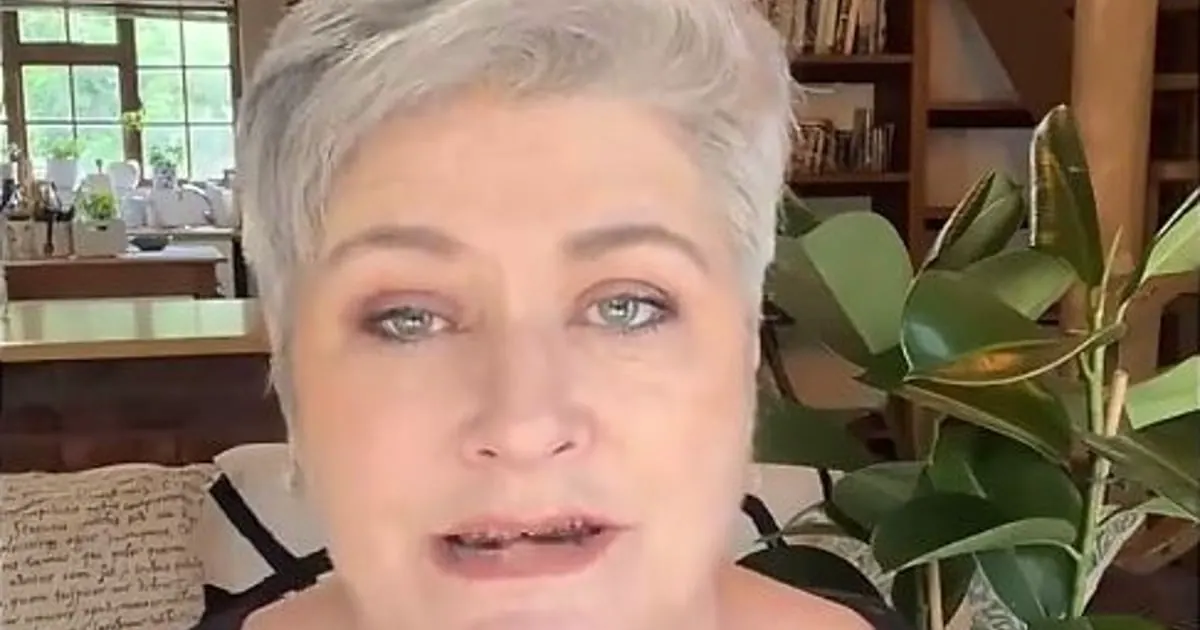
Alison Botha, a survivor of a brutal rape attack in 1994, has become a beacon of hope in South Africa, using her platform as a motivational speaker to raise awareness about gender-based violence (GBV). In a recent TikTok video, Botha urged the country's leaders to take meaningful action to address the issue, echoing the concerns of many South Africans. She emphasized the need for impactful, long-lasting, and real change to address the scourge of GBV.
The call for action comes amid a spate of murders in Ekurhuleni, where at least nine women have lost their lives in the past few months. The killings have sent shockwaves throughout the country, with many demanding stronger action from the government to address GBV. Botha drew a parallel with the actions taken during the Covid pandemic, where the government implemented restrictions to protect citizens. She questioned why a similar sense of urgency was not being applied to address GBV.
Botha noted that she herself had spoken out about her experience in the hope that it would make a difference, but over 30 years later, the situation had not improved and had, in fact, worsened. She expressed frustration that despite the classification of GBV and femicide as a national disaster on November 21, 2025, no tangible or substantive action had been taken to back the declaration.
In her video, Botha emphasized the need for urgent change, stating that women were tired of having to take self-imposed restrictions to stay safe, such as organizing to go out in groups. She argued that these measures were only a temporary fix to an ongoing societal problem and called on leaders to take responsibility for creating a safer environment for women.
The Ekurhuleni murders have renewed calls for stronger action to address GBV, with many questioning why more was not being done to protect women. Botha's message resonated with many South Africans, who are demanding action from the government to address the issue. The opposition parties have also weighed in, calling for continued engagement with the police to find solutions to safety concerns.
President Ramaphosa has extended the deadline for the Madlanga Commission, which is investigating GBV and femicide. The commission's findings are expected to inform policy and legislation aimed at addressing the issue. However, Botha's message was clear: more needs to be done, and urgently, to address the scourge of GBV in South Africa.
Botha's case is a notable example of the impact of GBV on survivors and their families. Her attackers were deemed a significant long-term risk to females, but were granted bail. The case highlights the need for a more effective response to GBV, including support for survivors and accountability for perpetrators.
Key points
- Alison Botha calls on South Africa's leaders to take urgent action to address the scourge of gender-based violence amid a spate of murders in Ekurhuleni.