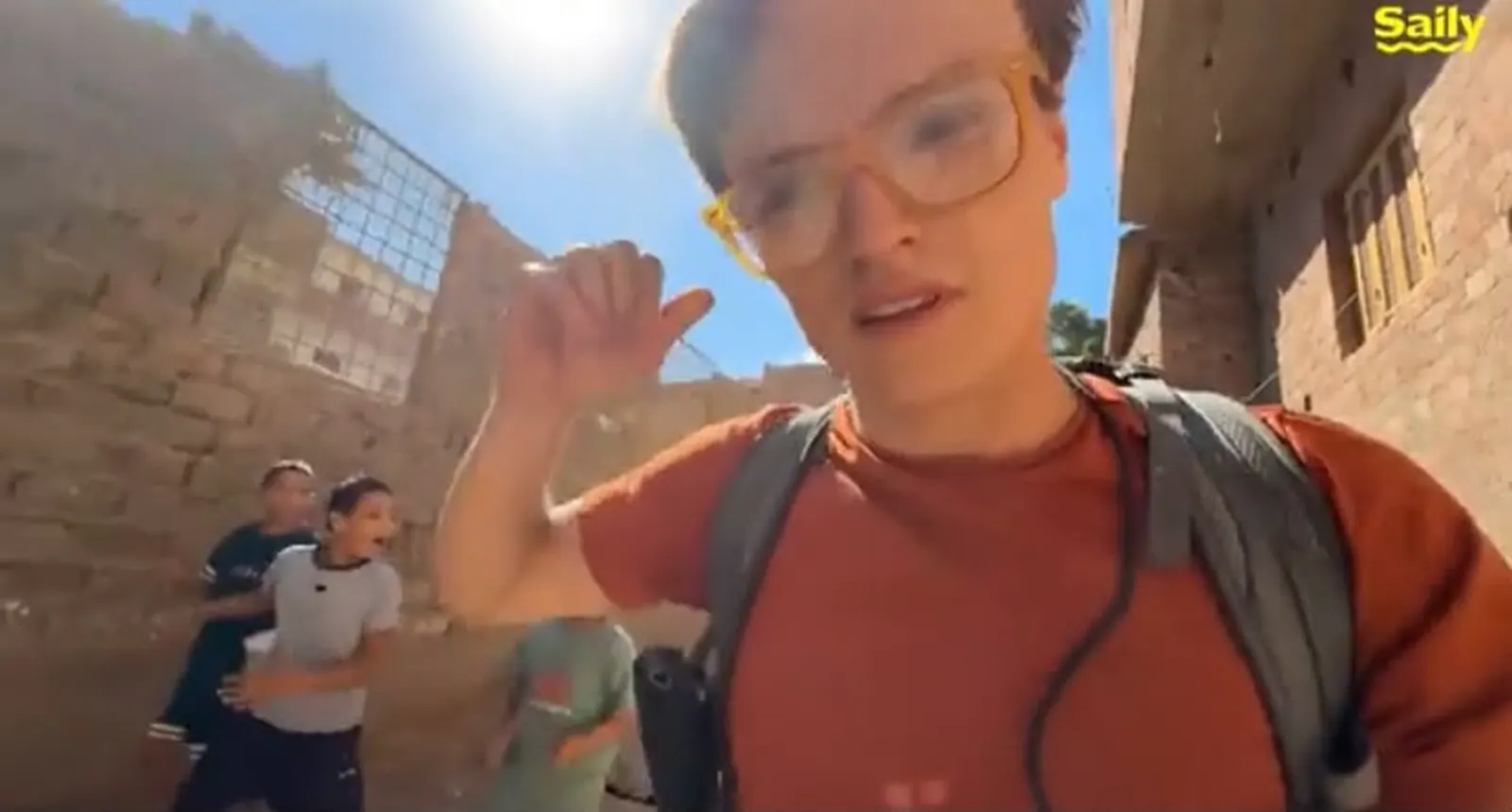
A recent livestream showing German streamer Benjamool being pelted with rocks while walking through Cairo has gone viral online, particularly on platforms like Reddit. The incident was shared on Reddit's r/LivestreamFail, where numerous commenters posted derogatory and racist remarks about Egypt and Egyptians as a whole. The comments portrayed Egyptians as violent, uncivilized, and inherently hostile toward foreigners.
The backlash on social media was swift and severe, with users describing Egypt in derogatory terms and attacking Egyptians collectively. Some comments suggested that the behavior in the video represented the country and its people, while others used openly racist and dehumanizing language. One user commented that "Egypt is the worst country I've ever visited. They are only interested in taking your money," while another alleged that "every Egyptian I've ever worked with was unprofessional."
The Egyptian Ministry of Interior has now responded to the incident, with security authorities identifying the foreign content creator shown in the circulated video. According to the streamer, he encountered a group of children while walking, played football with them, and some of the children subsequently threw stones at him "for fun and joking." The children's families subsequently apologized to him, and the streamer declined to take legal action against the children.
The controversy has raised questions about the growing popularity of travel streaming, where creators can walk through foreign cities while broadcasting their surroundings to thousands of viewers in real time. In the livestream, Benjamool was walking through a poor residential area of Cairo while livestreaming, and a group of children began following him through the narrow streets. The incident highlights the potential risks and consequences of this type of content.
The issue of travel streaming has also raised concerns about the portrayal of residents and communities in these broadcasts. Residents can suddenly find themselves turned into background characters in a foreign creator's content, without any control over how they are portrayed. Children can appear on camera without understanding what a livestream is or how widely the footage might spread.
The sweeping descriptions of Egyptians and the dehumanizing language directed at an entire population demonstrate how quickly an isolated incident can become fuel for pre-existing prejudice. The incident has sparked a wider conversation about racism and xenophobia online, and the need for greater awareness and understanding of the impact of social media on communities and individuals.
The Egyptian government has not made any further statements on the incident, but the Ministry of Interior's response suggests that authorities are taking the matter seriously. The incident has also sparked a wider conversation about the responsibilities of social media platforms and content creators in promoting respectful and accurate portrayals of communities and cultures.
Key points
- The viral livestream has sparked a racist backlash against Egypt and its people online.
- The incident has raised questions about the growing popularity of travel streaming and its potential risks and consequences.
- The controversy has highlighted the need for greater awareness and understanding of the impact of social media on communities and individuals.