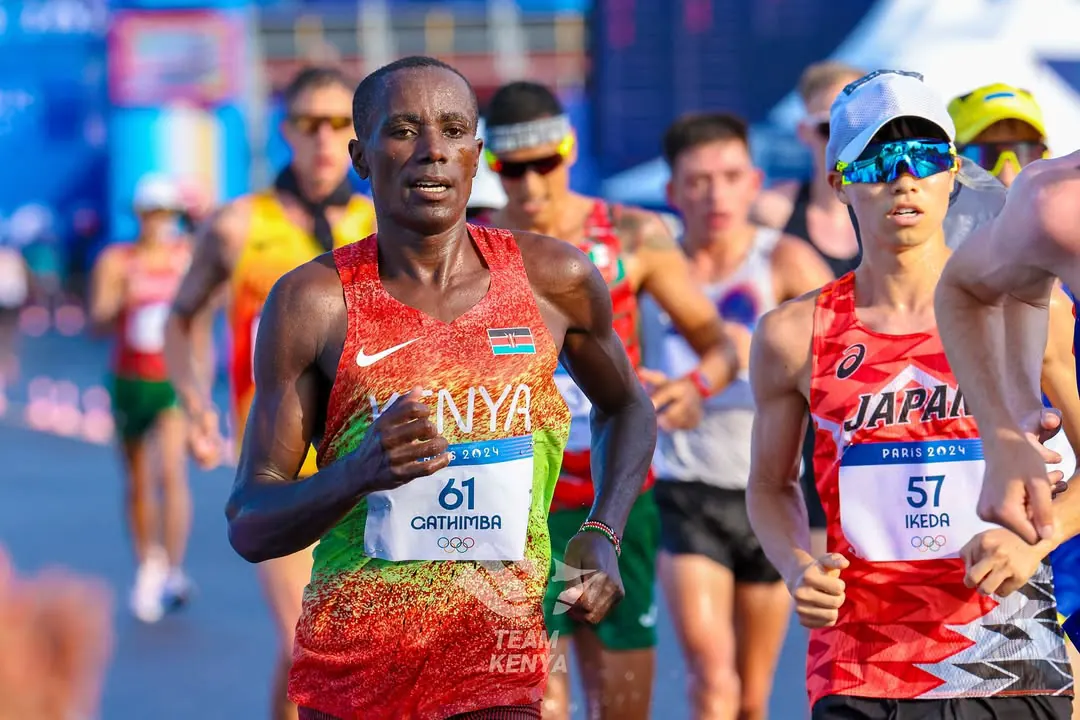
The recent announcement that Nairobi will host the 2029 World Athletics Championships has sparked a mixed reaction globally. While some have congratulated Kenya on its achievement, others have expressed disappointment and raised concerns about doping in Kenyan athletics. Critics, mostly from Western countries, argue that Kenya has a history of doping in athletics, which they claim undermines the integrity of the sport. This criticism has been met with accusations of racism and prejudice.
Matt Lawton, chief sports correspondent for London's The Times, wrote that World Athletics was making a mistake by awarding the championships to Nairobi. He argued that the country's athletes have been plagued by doping scandals and that the focus should be on addressing these issues rather than hosting a major international event. Lawton's comments reflect a broader skepticism about Kenya's ability to host a successful championships, with some critics questioning whether the country has the necessary infrastructure and expertise.
The criticism of Kenya's hosting rights has been criticized as having racial undertones. Many have pointed out that similar concerns about doping and infrastructure are not raised when other countries, particularly those in the Global North, host major international events. This double standard has been attributed to a lingering prejudice against African countries and a reluctance to acknowledge their achievements. The reaction to Kenya's hosting rights has also been seen as part of a broader trend of racism and xenophobia.
The issue of racism and prejudice is not limited to the athletics event. Kenya is currently in the midst of a heated election campaign, with tribalism and ethnic profiling becoming increasingly prominent. Young people, in particular, have been engaging in online discussions that target individuals based on their ethnicity. This trend has been criticized as divisive and potentially damaging to the country's social fabric.
The intersection of racism and tribalism in Kenya is complex and multifaceted. While tribalism is a long-standing issue in the country, the current election campaign has seen a resurgence of negative ethnic profiling. This has led to concerns about the potential for social unrest and the erosion of democratic norms. The issue has also sparked a wider debate about the need for Kenyans to rise above tribalism and focus on more pressing national issues.
The controversy surrounding Kenya's hosting rights has also highlighted the need for a more nuanced understanding of the country's achievements in athletics. While doping is a legitimate concern, it is also important to recognize the many clean athletes who have contributed to Kenya's success in the sport. The country's hosting of the 2029 World Athletics Championships offers an opportunity to showcase its athletic talent and demonstrate its commitment to fair play.
As Kenya prepares to host the 2029 World Athletics Championships, it will be important for the country to address the concerns of critics while also celebrating its achievements. The event offers a chance for Kenya to demonstrate its capabilities and show that it is a capable and committed host. Ultimately, the success of the championships will depend on a range of factors, including the country's ability to deliver a well-organized and safe event.
Key points
- Critics of Kenya's hosting rights cite concerns about doping in athletics, which they claim undermines the integrity of the sport.
- The criticism has been accused of having racial undertones, reflecting a broader prejudice against African countries.
- The controversy has also highlighted the need for Kenyans to rise above tribalism and focus on more pressing national issues.