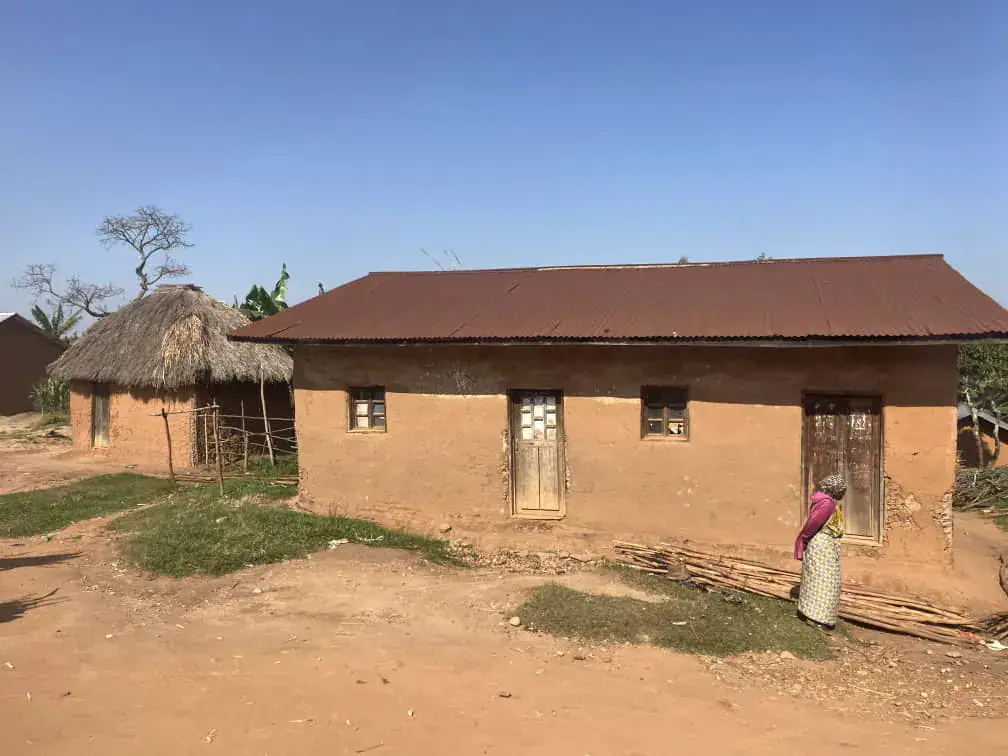
Rabbit farming, once a widespread practice in Kanyabayonga, a village in the southern Lubero territory of North Kivu, Democratic Republic of the Congo, has significantly declined. The activity, which provided a vital source of food and income for many households, has been gradually abandoned due to persistent insecurity and repeated displacements.
The NGO Action Solidaire pour les Jeunes et l’Environnement Durable (ASOJED) has called for the revival of rabbit farming, citing its potential to improve food security and household incomes. According to ASOJED, rabbit farming is an accessible solution for families struggling to make ends meet. Evariste, a resident of Kanyabayonga, still maintains his rabbit enclosures, albeit empty, as a reminder of a once-thriving activity.
Insecurity has been identified as a major factor contributing to the decline of rabbit farming in Lubero. Micheline Kalipi from ASOJED explains that domestic rabbits are difficult to transport during displacements, making it challenging for farmers to continue their activities. The delicate nature of rabbit care, particularly for newborns, adds to the difficulties.
The situation in North Kivu remains volatile, with many residents facing the threat of new displacements. To adapt to this reality, families have modified their activities to prioritize mobility and quick evacuation in case of attacks or clashes. This has resulted in the abandonment of activities that require a fixed location, such as rabbit farming.
According to Radio Okapi, the decline of rabbit farming has significant implications for food security and household incomes in Kanyabayonga. The activity provided a vital source of protein and income for many families, which are now struggling to access basic necessities.
ASOJED's call for the revival of rabbit farming is seen as a potential solution to address food insecurity and poverty in the region. By supporting rabbit farmers and providing them with the necessary resources, the organization aims to help families regain a vital source of income and nutrition.
The situation in Kanyabayonga highlights the impact of insecurity on livelihoods and food security in conflict-affected areas. Efforts to revive rabbit farming and other agricultural activities are crucial to supporting the resilience of affected communities and promoting sustainable development.
Key points
- Insecurity and displacement have led to a decline in rabbit farming in Kanyabayonga, Democratic Republic of the Congo.
- The NGO ASOJED is advocating for the revival of rabbit farming to improve food security and household incomes.
- Rabbit farming is an accessible solution for families struggling to make ends meet, providing a vital source of food and income.