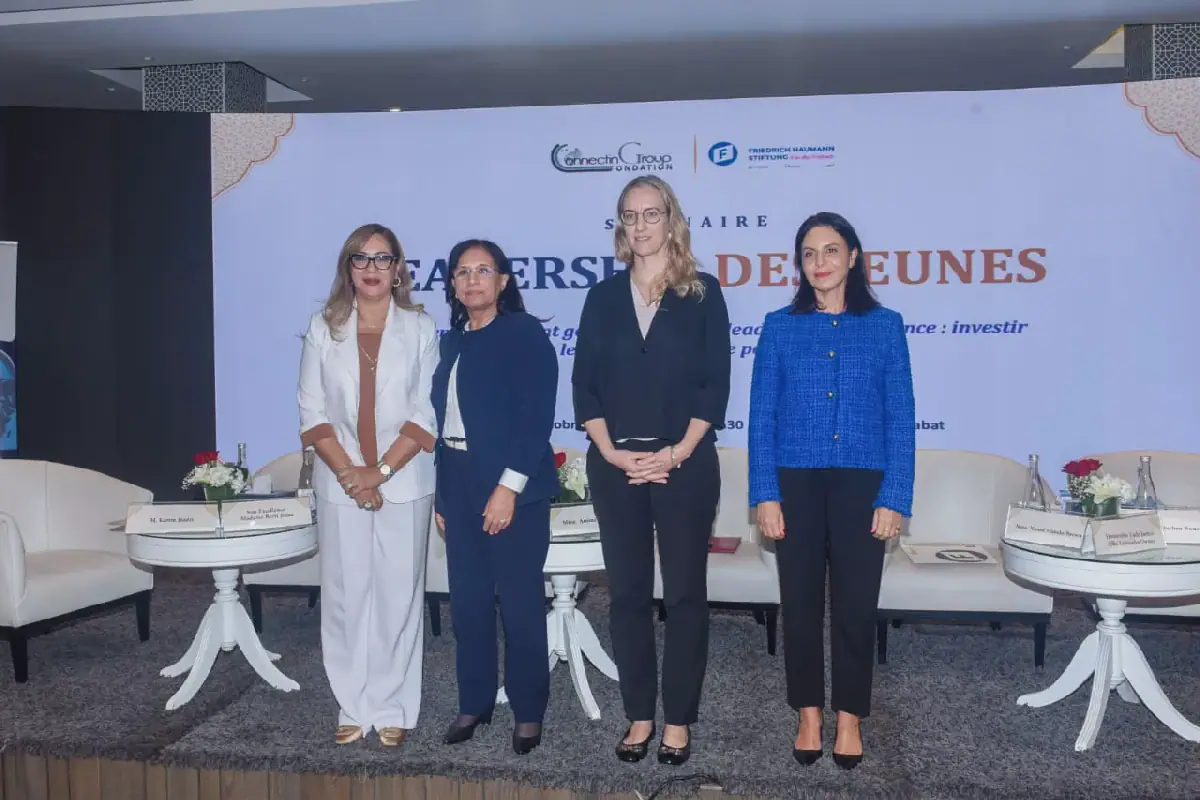
The Rabat Declaration, resulting from an international symposium held in Rabat, has emphasized the need to transition from symbolic participation of women and youth to actual influence in decision-making. The declaration aims to promote their presence in leadership positions, mediation, and conflict prevention as essential elements in building sustainable peace. Organized by the International Women's Communication Foundation in partnership with the Friedrich Naumann Foundation for Freedom, the symposium brought together various stakeholders to discuss ways to renew women's leadership and strengthen intergenerational cooperation.
The Rabat Declaration is built around six strategic pillars, including protecting institutional and rights-based gains, intergenerational knowledge transfer, empowering women to contribute to conflict resolution, and promoting their presence in decision-making bodies and governance. Additionally, the declaration seeks to ensure territorial fairness and expand empowerment opportunities for youth in rural areas and vulnerable groups. These efforts aim to foster sustainable peace and development.
The project also calls for consolidating national, African, and international cooperation and preparing a "Rabat Roadmap" to convert recommendations into operational programs with clear objectives, implementation mechanisms, and monitoring and evaluation systems. The declaration is based on national and international references, including the Moroccan Constitution, the Women, Peace, and Security agenda, and the Youth, Peace, and Security agenda, particularly UN Security Council resolutions 1325 and 2250.
The main challenge is transitioning from stated commitments to tangible results that provide youth with real opportunities to take responsibility and influence decisions and policies. This would make their participation an effective driving force for consolidating peace and sustainable development. The declaration's impact will depend on its implementation and the commitment of stakeholders to support youth leadership.
The symposium and the Rabat Declaration demonstrate Morocco's commitment to promoting women's and youth leadership in peacebuilding and sustainable development. The country's efforts to foster a more inclusive and participatory approach to decision-making are expected to have a positive impact on the national and international levels. The declaration's emphasis on intergenerational cooperation and knowledge transfer is particularly noteworthy.
Key stakeholders, including government officials, civil society representatives, and international organizations, are expected to play a crucial role in implementing the Rabat Declaration. Their collaboration and commitment to the declaration's objectives will be essential in ensuring its success. The declaration's focus on territorial fairness and empowering vulnerable groups is also expected to contribute to more inclusive and sustainable development.
The Rabat Declaration is a significant step towards promoting youth leadership and women's empowerment in peacebuilding and sustainable development. Its success will depend on the continued commitment and collaboration of stakeholders. The declaration's impact is expected to be felt not only in Morocco but also in the broader region, as it sets an example for promoting inclusive and participatory approaches to decision-making.
Key points
- The Rabat Declaration emphasizes the need for women's and youth leadership in decision-making to build sustainable peace.
- The declaration is built around six strategic pillars, including protecting institutional and rights-based gains and promoting women's presence in decision-making bodies.
- The main challenge is transitioning from stated commitments to tangible results that provide youth with real opportunities to take responsibility and influence decisions and policies.