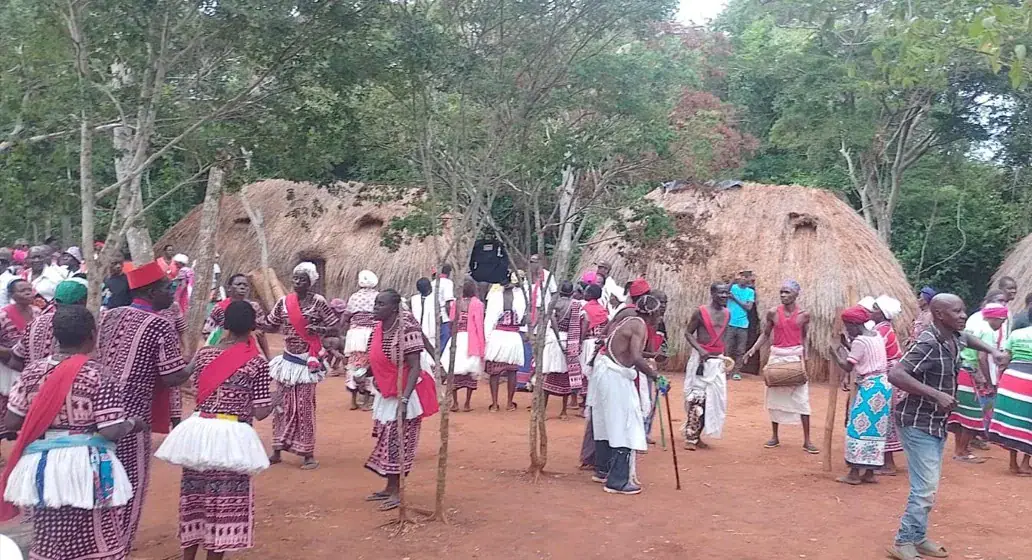
Rabai elders in Kilifi County, Kenya, have raised concerns that illegal logging and land grabbing are threatening their sacred Kaya forests. These forests are central to the community's cultural heritage and traditional medicine. The elders highlighted these issues during the Rabai New Year celebrations, an event that brings the community together to reconnect with their roots. The Kaya forests are home to various indigenous trees and plants that are used for traditional remedies.
The Chairman of the Mijikenda Kaya elders, Daniel Garero, emphasized the importance of preserving the Kaya forests and the community's cultural identity. He warned that continued destruction of the forests and seizure of sacred sites could erode the community's cultural practices, beliefs, and inter-generational knowledge. Garero also noted that the annual gathering provides a chance for the youth to learn about their heritage and for residents to be reminded of their duty to protect their cultural identity.
Kilifi Deputy Governor Flora Chibule has urged the Rabai and other Mijikenda groups to preserve indigenous trees, citing the growing interest in traditional remedies. She highlighted the historic role of Rabai in Kenya's history, referencing the missionary Dr Ludwig Krapf's work that helped spread Christianity and formal education in the region. Chibule's comments underscore the significance of preserving the Kaya forests not only for cultural reasons but also for their potential to support the development of traditional medicine.
County Executive Committee Member for Lands and Physical Planning Jane Kamto has called on residents to obtain formal title deeds for their land. She warned that reliance on traditional boundary markers leaves land vulnerable to disputes. Kamto's comments highlight the need for residents to secure their land rights and prevent land grabbing, which is a major threat to the Kaya forests.
The Rabai festival, launched in 2013, aims to preserve the community's history and pass traditions to younger generations. Kilifi Chief Officer for Culture, Heritage and Wildlife Tourism Herbert Mwachiro noted that the festival provides a platform for showcasing cultural products and promoting cultural heritage. The festival also offers an opportunity for the community to come together and discuss issues affecting their cultural identity.
County Chief of Staff Caroline Kalume Cheupe has appealed for unity in protecting the community's culture and environment. She urged residents to stop cutting trees that sustain the Kaya forests, highlighting the importance of preserving the forests for future generations. Cheupe's comments emphasize the need for collective action to protect the Kaya forests and the community's cultural heritage.
Local trader Pauline Mapenzi noted that the festival showcases cultural products that help younger people stay connected to Rabai traditions. She highlighted the growing sense of disconnection among youth and the need for initiatives that promote cultural heritage. The Rabai festival provides a platform for the community to share their cultural practices and traditions with younger generations, ensuring their continuity.
Key points
- Illegal logging and land grabbing threaten the sacred Kaya forests in Rabai, Kenya.
- The Kaya forests are central to the community's cultural heritage and traditional medicine.
- Community leaders are urging residents to take action to protect the Kaya forests and preserve their cultural identity.